Wine Packaging Supplier: How to Choose the Right Bottles, Labels, and Boxes
2026-10-27
Choosing the right wine packaging supplier can feel like stumbling through a dark cellar. Every bottle shape, label texture, and box finish tells a story before the cork even pops. At Imagine Craft Packaging, we obsess over those details so your wine doesn't just sit on a shelf—it commands attention. This guide cuts through the noise to help you pick bottles, labels, and boxes that truly reflect what's inside.
What Your Bottle Shape Says Before Anyone Reads the Label
A bottle's silhouette is the first hint of the liquid's personality, long before a single word of branding reaches the eye. Tall and slender suggests restraint, maybe a whisper of heritage or a nod to old-world elegance, while a squat, broad-shouldered vessel leans into comfort and generosity, inviting a heavier pour. The curve of the neck, the weight of the base, the way light bends through the glass—each detail sets an expectation that the label later either confirms or quietly corrects.
Think of the wines you remember most: a high-shouldered Bordeaux signals structure and patience, its straight lines promising aging potential, whereas a slope-shouldered Burgundy feels softer, more approachable, as if it might open up sooner. Spirits play the same game—a square, heavy decanter for whiskey hints at tradition and strength, while a slender, minimalist gin bottle whispers modernity and botanical clarity. Even before the cork twists free, the shape has already started telling you how to feel.
This visual shorthand isn't accidental; it draws on centuries of cultural cues that our eyes absorb without conscious thought. A rounder form tends to read as friendly and unpretentious, a sharper one as precise and serious. Glass thickness suggests substance, while thin walls can imply delicacy. So the next time you scan a shelf, notice which bottle your hand reaches for first—chances are, its shape has already spoken to you in a language older than words.
Label Materials That Actually Hold Up in a Cold Bucket
Paper labels might as well dissolve the moment they touch ice water. I learned that the hard way after losing a batch of brewery samples because the tags turned into soggy confetti. The real trick is to skip anything fibrous and go straight for polypropylene or polyester films. These plastics don't absorb moisture, so the print stays crisp even after hours floating around with melting ice.
The adhesive matters just as much as the face stock. Standard acrylic glue hardens in the cold and loses its grip, but a rubber-based or freezer-grade adhesive stays tacky down to -40°F. Vinyl labels with that kind of adhesive will cling to glass, metal, or plastic buckets without peeling at the edges. I've also seen cast vinyl outperform calendared vinyl in this setting because it shrinks less when the temperature drops and conforms better to curved surfaces.
Boxes That Protect the Wine and Set the Mood
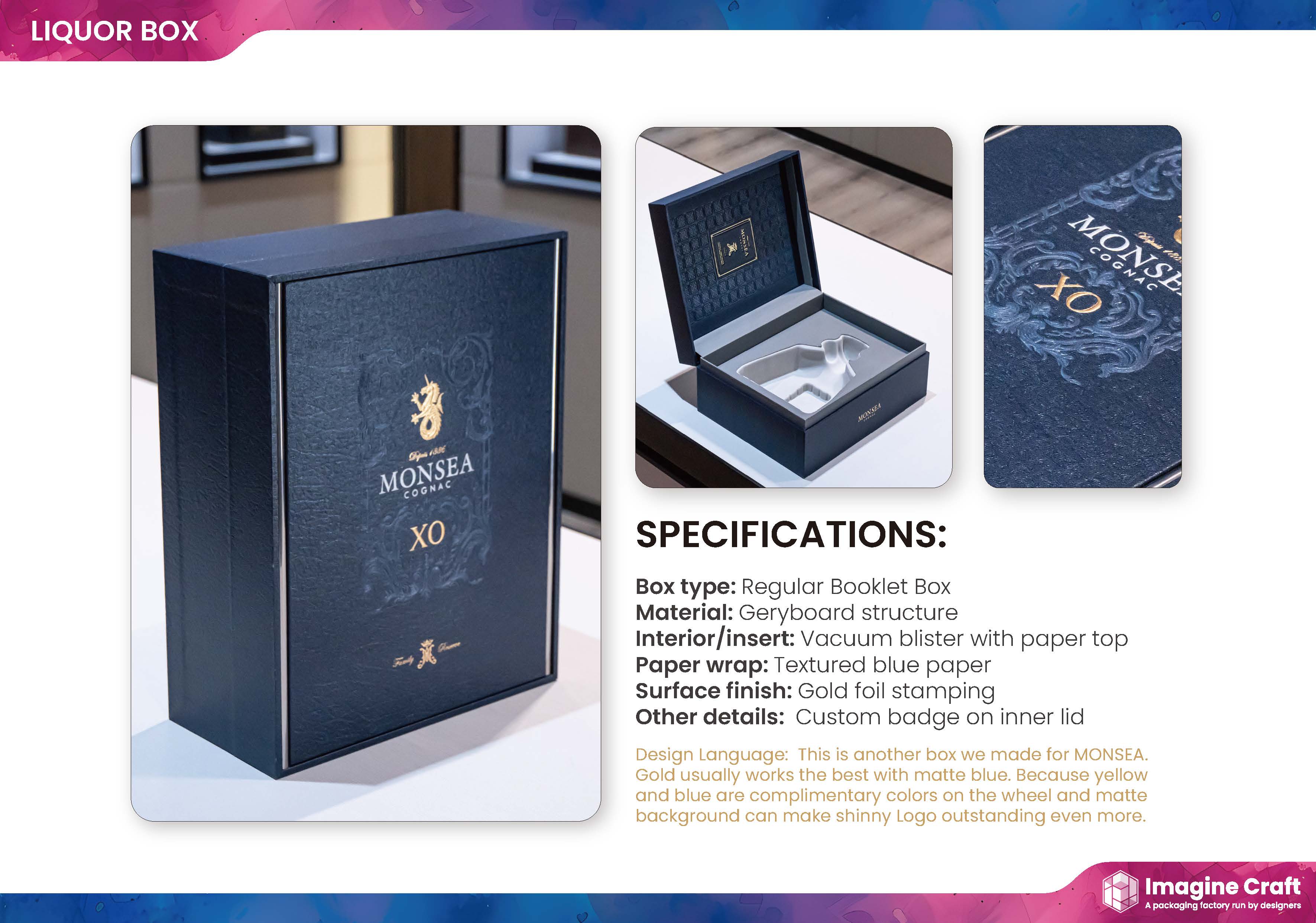
A well-crafted wine box does more than keep a bottle from breaking; it pulls you into the moment before the cork even pops. The weight of the wood, the grain under your fingers, the way the lid slides or lifts — these small details set an expectation that what’s inside deserves attention. Whether it’s a single-bottle presentation case with a magnetic closure or a rustic pine crate with rope handles, the container shapes how the wine is received, turning a simple handoff into a small ceremony.
Protection matters, but not in a clinical, bubble-wrap way. The best boxes cradle the bottle with precision-cut foam, felt-lined interiors, or shaped wooden inserts that hold the neck and base steady. This keeps the glass safe during transit and also prevents the label from scuffing against the sides. For vintage bottles or delicate wax seals, a snug interior matters more than most people realize — a few millimeters of movement can chip wax or tear a fragile label.
Mood comes from choices that feel deliberate without being showy. Soft-close hinges, a muted stain that lets the wood’s character through, even the faint scent of cedar or pine when you open the lid — all of it works on the senses. Some boxes include a groove for a corkscrew or a space for a handwritten note, which shifts the experience from packaging to keepsake. The goal isn’t just to transport wine safely, but to make the act of giving or opening it feel like part of the occasion.
Bottle Weight and the Subtle Art of First Impressions
Pick up a bottle and before you even read the label, your hand is already forming an opinion. A heavier glass often whispers of substance, as if the extra grams carry a promise of quality that lighter options can't quite muster. It's a quiet bias, but one that's surprisingly consistent across wine, spirits, even olive oil. We associate heft with authenticity, a throwback to times when thicker walls meant better protection and a more serious craft.
Yet the trick works both ways. A deliberately light bottle can signal modernity, minimalism, or eco-consciousness, depending on the brand's story. The real art is in matching the weight to the message. Too heavy and it feels wasteful; too light and it risks feeling cheap. The sweet spot is where your hand's first impression aligns with what's inside, creating a silent handshake between the object and the drinker before a single drop is poured.
So next time you're choosing a bottle, close your eyes for a moment. Let your palm judge the balance, the curve of the neck, the way the base settles into your grip. That split-second assessment isn't trivial—it's the first verse of the story the liquid will tell, and the bottle is already speaking.
Corks, Foils, and the Small Details That Finish the Story
There's a moment before the first pour when the bottle itself does the talking. The capsule's crinkle, the cork's resistance, the quiet snap as it releases. These aren't just packaging; they're part of the ritual, hinting at what the winemaker wanted you to notice.
Corks vary more than people expect. Natural bark, agglomerated, technical—each behaves differently in the glass and says something about the wine's intended life. A long, dense cork often points to wine built for the cellar, while a shorter, more uniform one suggests earlier drinking. It's a small clue, but a real one.
Foils, too, have their own quiet language. A heavy, waxed capsule can signal tradition or a desire to protect against light and time. A minimalist foil, or none at all, often reflects a low-intervention mindset. Together these details finish the story that begins in the vineyard and ends with the last drop.
Working With a Supplier Who Knows More Than Glass and Cardboard
Many suppliers can quote glass jars and cardboard boxes, but few grasp the full landscape of modern packaging materials. Our team goes beyond those defaults—exploring barrier films, compostable laminates, molded fiber, and hybrid structures that solve real distribution and shelf-life challenges. Instead of forcing a familiar format, we match the material to the product's actual journey.
That depth means you get recommendations you won't hear from a generalist. Need a grease-resistant wrap that still breaks down in backyard compost? Or a rigid container that drops weight without losing crush strength? We have hands-on experience with suppliers who specialize in those niches, so your packaging decisions are based on performance data, not just price lists. The result is a packaging program that feels intentional and fits your brand's values.
FAQ
Bottle shape matters more than most people think. Burgundy bottles have sloping shoulders and suit Pinot Noir or Chardonnay, while Bordeaux bottles are straight-sided and work for Cabernet or Merlot. Color isn't just looks—darker glass protects wine from UV damage, so if your wines will sit on shelves under bright lights, go with antique green or amber. For rosé or white wines meant to show off their pale hue, flint glass is okay but don't expect it to block much light. Also check the bottle's punt depth; a deep punt looks fancy but adds weight and shipping cost.
Labels take a beating in ice buckets and humid cellars, so skip standard paper unless you like peeling edges. Look for a film-based stock like polypropylene or a coated paper with a strong adhesive. Test them by submerging a bottled sample in ice water for an hour and then rubbing the label—if it smears or lifts, move on. Matte finishes hide scratches better than gloss, and a subtle texture can make the label feel more premium. Don't forget the ink; UV-cured inks hold up better than water-based ones.
For single bottles, a die-cut mailer with internal flaps that cradle the neck and base is the minimum. If you ship cases, use a corrugated box with vertical dividers—either molded pulp or folding chipboard—so bottles never touch each other. For high-end gifts, a rigid setup box with a foam insert looks impressive but costs more and takes up warehouse space. Always do a drop test from waist height before committing to a design; if a bottle breaks, your box failed, not the courier.
Don't just ask for a quote—ask for references from wineries your size. A supplier who mostly serves big brands might ignore your reorder when you only need 500 units. Check their lead times during harvest season; many packaging factories get slammed in late summer. Visit their facility if you can, or at least request video of their production line. The real test is how they handle a mistake: if they send the wrong label varnish and blame you, run. A reliable supplier fixes problems without making you chase them.
It depends on your customer base. If you sell to natural wine fans or younger drinkers, yes—they'll notice a lightweight bottle or a label made from recycled grape skins. But don't greenwash: a 'biodegradable' box that falls apart in a humid warehouse isn't helping anyone. Real options include reducing bottle weight (cuts shipping emissions and your freight bill), using FSC-certified paper for boxes, and switching to water-based inks. Start with one change and tell that story clearly on your website; vague eco claims do more harm than good.
The biggest one is designing the label before checking the bottle's front panel dimensions—you'd be surprised how often a beautiful label doesn't fit the bottle's curve. Another mistake is choosing a box based only on cost per unit, then paying extra for damaged returns. Also, many wineries overlook closure compatibility: a cork-finished bottle needs different neck dimensions than a screwcap, and the label must leave room for the foil capsule. And don't order thousands of custom boxes before you've tested the full pack with real wine bottles, not empty ones.
Closures drive more than you'd think. Cork and cage (for sparkling) need a bottle with a thicker lip, which changes the neck profile—your label has to wrap around that bulge without wrinkling. Screwcaps allow a shorter neck and a flatter label area, but you lose the ritual of uncorking. Synthetic corks are mostly uniform, so the bottle supplier can keep tolerances tighter. If you're switching closures, don't assume your current label dies still fit; always request a new neck finish drawing from the bottle maker and test with actual filled bottles.
Conclusion
When a bottle first appears on a shelf or table, its silhouette does most of the talking before anyone reads the label. A slender, high-shouldered profile can hint at a crisp white, while a broader, heavier form often sets expectations of a bold red. That weight itself is part of the message: a bottle with a bit of heft feels more substantial in the hand, but too much can feel pretentious and needlessly costly to ship. Beyond shape and weight, the label has to survive real conditions. Materials that look beautiful on a dry counter may peel or wrinkle once the bottle sits in an ice bucket, so it is worth testing options like synthetic stock, textured paper with a waterproof laminate, or a strong permanent adhesive before committing. The box works in a similar way—it must protect the glass during transit, but the inside print, the feel of the board, and how the bottle is cradled when opened can quietly shift the whole experience.
The small components often get less attention but finish the story. A natural cork versus a technical closure, the color and crispness of the foil, and even the way the capsule tears open all leave a quiet impression of care. That is why the right supplier does more than quote glass and cardboard. They ask how the wine will be stored, where it will travel, and how it will be opened. They can flag when a heavier bottle will break a budget, when a label adhesive will fail in a cold bucket, or when a box's dimensions will not fit standard shipping pallets. In the end, the packaging should feel like part of the wine's identity, not an afterthought. Choose a supplier who understands that balance and can guide choices from the first mold drawing to the final carton, because every one of those choices adds a line to the story the wine tells.
Contact Us
Contact Person: Sunnie
Email: [email protected]
Tel/WhatsApp: +8615818596517
Website: https://www.imagine-craft.com/