
Wholesale Signage Engraving Plastic from China for Durable Custom Branding and Display Solutions
2026-11-27
Every storefront, trade show booth, and office lobby tells a story before a single word is spoken. The materials you choose for signage either whisper professionalism or shout compromise. For businesses sourcing durable, custom-branded displays, wholesale engraving plastic from China has quietly become the smartest move in the visual identity game — and LYSHIRE is one of the few names consistently delivering finishes that look expensive but ship at a fraction of the cost. This isn't about generic acrylic sheets. It's about layered engraving stock that catches light, resists scuffs, and turns a simple logo into a tactile first impression. Below, we break down why this material outperforms conventional options, what to look for in a supplier, and how to avoid the flimsy, yellowing panels that plague cheaper imports.
Durable Engraving Stock That Keeps Custom Branding Crisp
Laser engraving on lesser plastics often fades into a fuzzy haze after a few months of handling. This stock takes a different route. The surface is formulated to hold fine lettering, thin rules, and small logo details without blurring, so a brand mark stays readable long after the first impression.
What makes it stand out is the balance between hardness and clean ablation. It resists scratches and everyday abrasion, yet still yields crisp edges under the beam. No scorched halos, no ragged outlines—just a sharp contrast that makes custom panels, tags, and nameplates look intentional rather than stamped as an afterthought.
For short runs or repeat orders, the result stays consistent. The engraving depth doesn't drift, and the contrasting core layer doesn't smear under tool pressure. That consistency matters when a logo appears across multiple products and needs to look the same on the tenth piece as it does on the first.
Sourcing Wholesale Sheets from China Without Second-Guessing
Finding a dependable sheet supplier overseas often feels like a gamble, especially when you cannot physically inspect the goods before they land at your warehouse. The real problem is rarely the fabric itself; it is the mismatch between what a sample promises and what a container delivers. Instead of chasing the lowest per-unit price, focus on manufacturers who openly share their weaving, dyeing, and finishing specifications. Ask for a detailed construction sheet that lists yarn count, thread density, and shrinkage tolerance, not just a generic product photo. A supplier that hesitates to provide these numbers is usually one you will end up compensating with extra quality inspections and late-night email threads.
One practical way to remove doubt is to build a small test cycle before committing to volume. Order a pre-production sample, then wash it at least three times in the same manner your customers would, measuring shrinkage and pilling after each cycle. Compare that against the lab report the factory supplied. If the numbers drift beyond what was promised, walk away early rather than negotiating after a bulk shipment shows up with a softer hand feel but a 6 percent shrink rate. Also check the selvages and hems: clean, straight edges usually indicate better tension control during processing, while wavy or frayed edges hint at rushed finishing.
Finally, do not underestimate the power of asking direct questions about the mill's own equipment and capacity. A factory that runs its own dyeing and finishing lines can control consistency much better than one that outsources to three different subcontractors depending on the week. Request the names of the machines used for singeing, mercerizing, or brushing, whichever applies to your sheet type. If the answers are vague, that is your signal to keep looking. Wholesale buying should not feel like second-guessing; it should feel like a repeatable process with clear checkpoints, documented tolerances, and a partner who treats your quality standards as non-negotiable.
Custom Thickness, Color, and Finish Options That Fit the Job
Thickness rarely gets the attention it deserves until a panel flexes under load or a bracket refuses to line up. Stock gauges cover everyday jobs, but odd assemblies often need something in between—milled down from plate, shimmed for existing hardware, or cut to a thickness that leaves proper room for gaskets and fasteners.
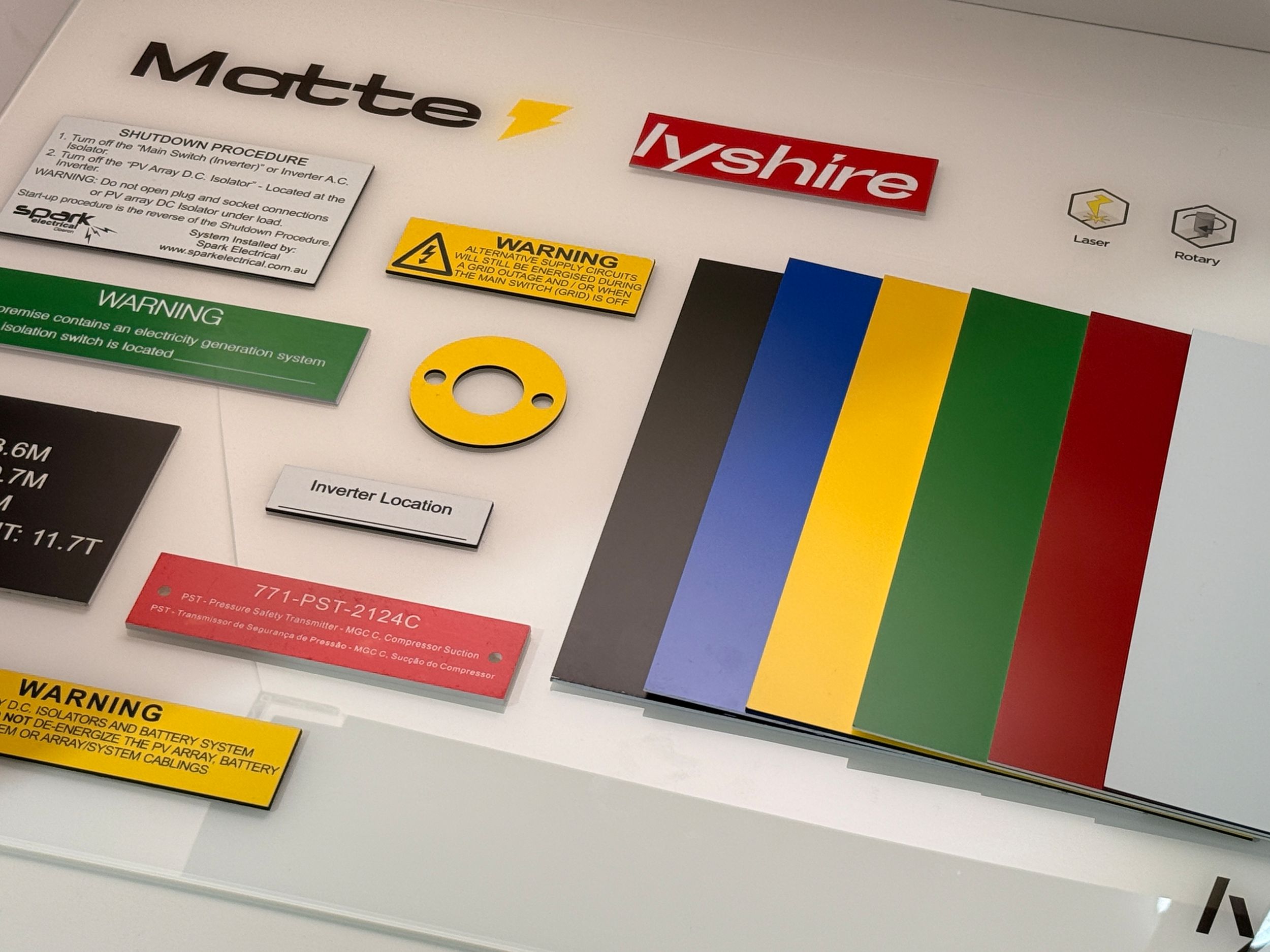
Color matching works best when it starts with a physical sample rather than a screen. Alongside standard shades, the finish range includes matte, satin, textured, and high-gloss surfaces, with the option to match an existing component closely enough that adjacent parts don’t call attention to themselves.
Finish decisions usually come down to how a surface gets touched, cleaned, or exposed. Brushed, anodized, powder-coated, or left raw—each route changes corrosion resistance, fingerprint visibility, and long-term wear. A quick note about the environment is often enough to rule out finishes that look right on a spec sheet but won’t hold up.
Display Builds That Hold Up in High-Traffic and Outdoor Settings
Durability in a busy outdoor space starts at the joints, not just the surface finish. Welded aluminum frames, stainless steel fasteners, and powder-coated panels hold up far better than standard indoor hardware when exposed to sun, salt air, or frequent handling. Wind load matters too: a tall display with a narrow base can become a hazard long before it shows visible wear. Weighted bases, ground anchors, or a low center of gravity keep the unit stable when crowds brush past or weather turns rough.
The parts people touch most often are usually the first to fail. Hinges, latches, and interchangeable graphic panels should be specified with industrial-grade components rather than standard retail fittings. Anti-graffiti coatings reduce cleaning time in public spaces, while rounded corners and flush edges keep minor impacts from turning into cracked corners or exposed sharp metal. Small drainage details, such as sloped tops or weep holes, prevent standing water from freezing, warping, or corroding the structure over repeated seasons.
Material pairing is another overlooked factor. Mixing certain metals without isolation can encourage galvanic corrosion, especially in humid or coastal conditions. For high-traffic areas, modular panels and replaceable trim let you swap out one damaged section instead of replacing the whole display. Materials like high-density polyethylene, marine-grade plywood, or coated steel tend to tolerate temperature swings, direct sunlight, and everyday bumps without looking weathered after a single season.
Consistent Quality Across Large Orders and Repeat Runs
Every batch starts with the same calibrated settings, the same inspection checkpoints, and the same material tolerances—so the hundredth unit leaves the line with no more drift than the first. That kind of repeatability does not happen by accident. We keep production records tied to each run, and any variance is corrected before it becomes a pattern.
Large orders expose weaknesses that small samples hide. Instead of treating volume as a reason to relax standards, we use it as a stress test. Mid-run sampling, tooling wear checks, and final sign-off happen at set intervals, not just at the end. That is how a reorder six months later still matches the original batch closely enough to be used side by side.
Repeat customers rarely care about promises; they care whether the next delivery behaves like the last one. Our internal tolerance bands are intentionally tighter than what most clients specify, which leaves room for minor environmental shifts without changing the finished product. The result is consistency that holds across seasons, shifts, and reorders.
Bulk Pricing That Lets You Scale Projects Without Cutting Corners
Most pricing pages push you toward either a cheap plan that quietly limits everything or an enterprise tier that expects you to negotiate before you can even test the workflow. That pattern makes sense for vendors, not for teams trying to ship real work. Here, the bulk option sits in plain sight: buy more seats or more compute, and the per-unit cost drops without stripping away the tools you actually rely on. You keep full API access, long-term data retention, and the same support channel—no hidden downgrade masquerading as a discount.
The idea is straightforward. As your project list grows, the marginal cost should shrink, but the quality of what you get per project shouldn't change. If a rendering queue suddenly doubles overnight, you shouldn't have to re-read the fine print to figure out whether you're still allowed to use your saved presets. Bulk pricing works because it's tied to volume, not to a different product tier. That keeps the math predictable and lets you forecast a large rollout without padding the budget for surprise add-ons.
There's a quiet benefit too: when pricing scales with your workload rather than punishing it, you stop making protective decisions like splitting work across small accounts or rationing features. You choose the setup that fits the project, not the one that fits the invoice. That's the difference between a discount and a genuinely workable plan for growing teams.
FAQ
Acrylic, PVC, and polycarbonate are the most common choices. Acrylic gives a smooth, polished finish, PVC is lighter on the budget for indoor work, and polycarbonate is tougher for outdoor or high-impact areas.
Yes, most factories accept custom dimensions, thicknesses, and cut-to-shape requests. Sending a vector file or even a clear sketch is usually enough to get a production quote.
It varies by supplier and product complexity. Some shops are open to smaller trial orders, while others base the minimum on sheet size or machine setup time, so it is worth asking before you commit.
Many options are UV-stable and weather-resistant. For signs that face constant sun and rain, polycarbonate or coated acrylic tends to last much longer than standard indoor materials.
You can specify color, surface finish, thickness, adhesive backing, mounting holes, and printed overlays. Laser cutting, edge polishing, and protective masking are also common add-ons.
Samples often ship within a few days, while bulk orders can take one to three weeks depending on quantity and finishing. Air freight is faster but costs more, and sea freight is better for larger, less urgent shipments.
Yes, translucent acrylic and certain PVC grades work well for backlit displays. They diffuse light evenly, which makes them a practical option for channel letters, menu boards, and lobby signs.
Vector formats like AI, EPS, PDF, or SVG are preferred because they keep edges sharp at any size. High-resolution raster images can sometimes be converted, but vectors will give you the cleanest engraving result.
Conclusion
Sourcing engraving plastic at wholesale volume often comes down to whether the sheet behaves the same at the router or laser as it did in the sample. For durable custom branding, that means a consistent cast or extruded core that cuts cleanly, leaves a crisp paint-filled or laser-frosted mark, and doesn’t warp under shop lighting or humidity changes. Chinese suppliers who specialize in signage-grade acrylic, impact-modified acrylic, and PVC foam sheet have moved well beyond commodity stock. They now offer controlled thickness tolerances, UV-stabilized color layers, matte and gloss finishes, and even micro-surfaced cap layers for cleaner engraving contrast. Those options matter when a display has to survive a busy lobby, a storefront window, or an outdoor wayfinding post without yellowing, chipping, or delaminating within a season.
What makes wholesale buying practical is not just a lower unit price, but repeatable output across large runs. A fabricator ordering hundreds of sheets needs the tenth pallet to match the first, from color density to masking adhesion and flatness. Working directly with a supplier that documents production lot details, packs sheets with interleaving and edge guards, and offers mixed container loads makes it easier to scale without accepting hidden downgrades. Bulk pricing should come from efficiency, not from thinner sheets or softer resin blends. When those safeguards are in place, the savings translate into better margins on display programs, trade show builds, and branded interior systems instead of costly rework on the shop floor.
Contact Us
Contact Person: Tina Hou
Email: [email protected]
Tel/WhatsApp: +86 17816238685
Website: https://www.lyshire.com