Wholesale Flame Resistant Shirts: The Ultimate Guide to Buying in Bulk
2026-07-13
When safety standards are non-negotiable and every dollar counts, buying flame resistant shirts in bulk isn’t just a smart move—it’s a strategic imperative. At DROTEX, we understand that protecting your team shouldn’t mean compromising on quality or blowing your budget. This guide strips away the guesswork, helping you navigate fabric technologies, compliance must-knows, and sourcing pitfalls so you can secure the right protection at the right price.
Why Your Team's Safety Can't Wait
Every single day, teams face risks that seem minor until they aren’t. A missed guardrail, a rushed procedure, or a “we’ll fix it tomorrow” attitude can spiral into injury or worse. Safety isn’t a box to check—it’s the scaffolding that keeps your people coming home whole.
When you delay safety improvements, you’re not just gambling with compliance; you’re betting against your own crew’s well-being. The cost of waiting isn’t measured in dollars alone—it’s in lost trust, shattered morale, and the haunting knowledge that it could have been prevented.
Action today echoes far beyond tomorrow. Small, consistent steps—a candid conversation about near-misses, upgrading worn gear, or rethinking a workflow—compound into a culture where people look out for each other instinctively. The time to act isn’t when an incident forces your hand; it’s now, while you still have the chance to make safety a reflex, not a regret.
Breaking Down What 'Flame Resistant' Really Means
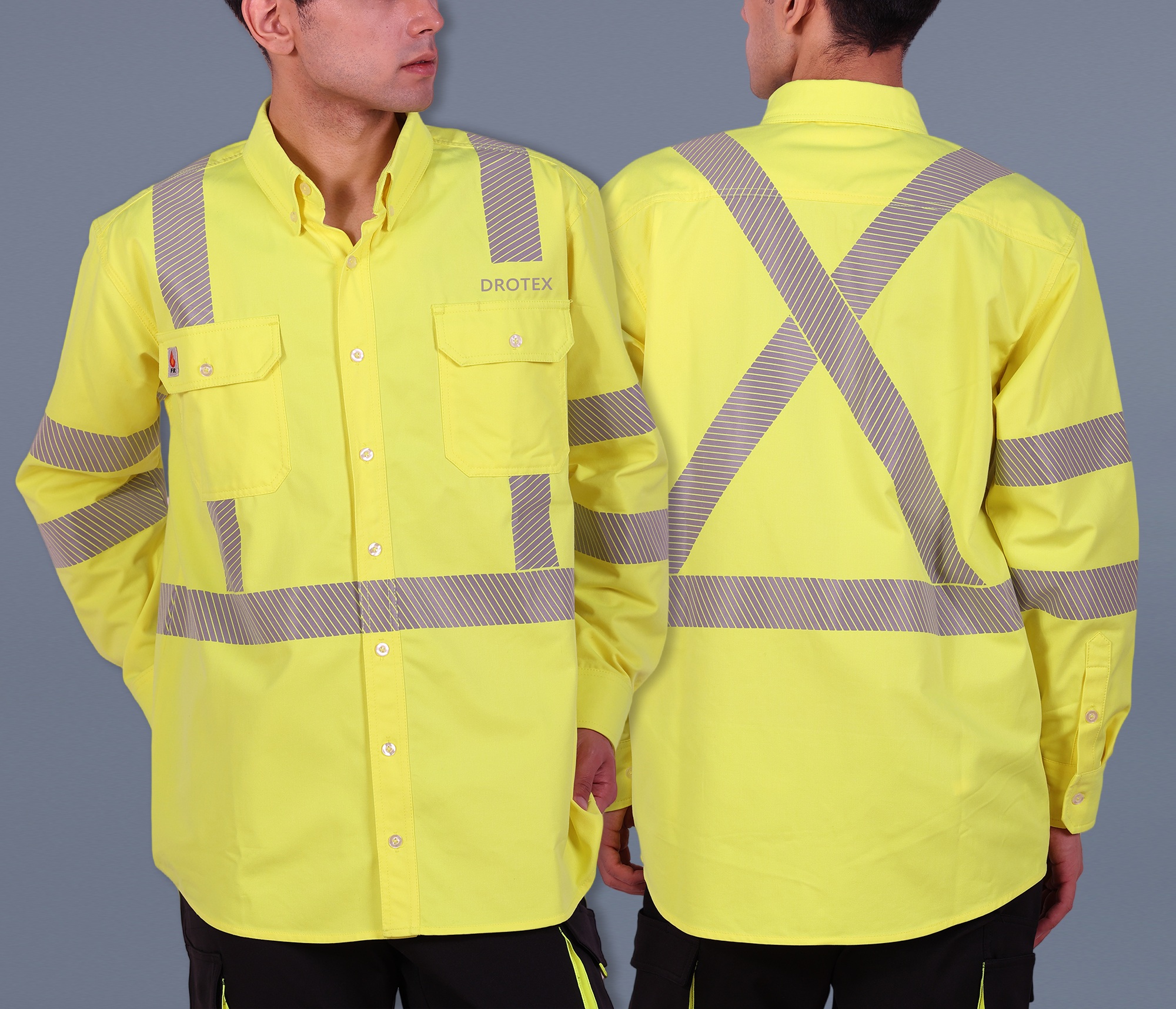
Most folks hear “flame resistant” and picture a suit that repels fire like water off a raincoat. That’s not quite right. In reality, these materials are designed to resist ignition and slow down the spread of flames—not magically block them. They buy precious seconds when heat and sparks fly, but they’ll still char or degrade under extreme, sustained exposure. Think of it as a crucial buffer, not an invincible shield.
A standout trait is self-extinguishing behavior. Pull a standard cotton shirt out of a fire, and it’ll likely keep burning, feeding on itself. A flame-resistant fabric does the opposite: once the heat source vanishes, the material stops combusting on its own. That’s the real safety net—it doesn’t linger as a fuel source, cutting off the fire’s chance to spread across your clothing or gear.
This protection comes from two main paths: inherent fibers or chemical treatments. Some synthetics, like certain aramids, are born with a molecular structure that resists heat and oxygen attack. Others, like treated cotton, get a chemical makeover that alters how they break down when heated—forming a stable char layer that insulates the underlying fabric. Both routes mess with the combustion triangle, disrupting fuel or oxygen, so the material fights fire in its own way.
Smarter Ways to Source Bulk FR Shirts
Sourcing flame-resistant (FR) shirts in bulk doesn’t have to be a logistical headache. Instead of just chasing the lowest unit price, focus on suppliers who can provide consistent quality across large orders—checking for certified fabrics and proper labeling before you commit to a volume. A supplier that truly understands industrial safety standards will help you avoid costly compliance issues down the line.
Building a direct relationship with a manufacturer can cut out the middleman and give you more control over customization, from reflective tapes to pocket placement. Ask for small-batch samples early, and don’t be shy about requesting fabric origination certificates. This upfront effort often pays off when you need reliable stock for large crews or rapid deployment across multiple sites.
Explore mixed-order strategies where you combine different garment types—like coveralls and shirts—under a single contract to negotiate better terms. Keep an eye on lead times that account for factory holidays and shipping variability, and build a buffer into your procurement calendar. By treating sourcing as an ongoing partnership rather than a one-off transaction, you’ll secure FR shirts that actually fit your workforce’s needs and safety requirements.
Hidden Factors That Drive Up Your Per-Shirt Cost
Many people assume the price of a custom t-shirt comes down to fabric and print quality, but a handful of less visible expenses quietly inflate the final number. Artwork preparation fees can appear when your file needs cleaning, resizing, or color separation, and rushed turnaround times often carry hefty surcharges that nobody talks about until checkout.
The type of garment matters more than you might think—premium fit, moisture-wicking blends, or eco-friendly materials naturally cost extra, but rarely do suppliers highlight how limited color availability in those fabrics forces you into a higher price tier. Shipping and handling, too, hides plenty of pitfalls: dimensional weight pricing, split shipments from multiple locations, and last-minute address corrections all nibble at your margins.
Then there are the behind-the-scenes costs like screen setup and plate charges, which get amortized over large orders but can devastate small-run budgets. Miscommunication about print placements, overage allowances, and storage fees for leftover inventory add layers few buyers anticipate. Spotting these hidden drivers early on helps you negotiate smarter, compare real quotes, and avoid the ‘cheap per-shirt’ quote that somehow becomes twice the price by the invoice.
The Fit and Comfort Your Workers Will Actually Thank You For
When workwear actually fits, it stops being a distraction. No more sleeves that ride up every time someone reaches for a box, no more pant legs that drag across the warehouse floor. Instead, your crew moves like they’re in their own clothes—just tougher. That kind of effortless comfort shows up in how they carry themselves, how they tackle a shift, and even in the nod they give you at the end of the day.
We didn’t design these pieces by staring at a size chart in a boardroom. We listened to people who bend, lift, and haul all day. The result is a fit that works with real bodies, not just mannequins. A little extra room where you need it, a tapered shape where you don’t. Fabrics that stretch without sagging. It’s the difference between clothing that’s just “uniform” and clothing someone might actually reach for on their day off.
Comfort that earns genuine gratitude isn’t about fancy buzzwords—it’s about the small things. Tagless labels that don’t scratch. Seams that are placed away from pressure points. Waistbands that sit flat under tool belts. When those details add up, workers notice. And when they notice, they stick around, they complain less, and honestly? They get more done because they’re not spending mental energy on a collar that’s chafing or a pair of pants that’s cutting them in half by lunchtime.
Extending the Life of Your Investment Beyond the First Wash
Caring for your pieces starts the moment you bring them home. Before that first wash, turn each garment inside out to shield the outer fibers from friction and fading. Use a gentle, eco-friendly detergent and opt for cold water cycles whenever possible—this not only preserves colors but also prevents unnecessary stress on seams and elastics. Skip the fabric softener, which can coat threads and reduce breathability over time.
After washing, resist the urge to toss everything into a hot dryer. Air-drying flat or on a padded hanger maintains shape and prevents shrinkage, especially in natural fibers. If you must use a machine, choose the lowest heat setting and remove items while they’re still slightly damp. Small habits like these keep your favorites looking newer for longer, wash after wash.
Finally, give your garments a break between wears. Rotating pieces allows fibers to recover and releases creases naturally, reducing the need for frequent laundering. Store them in breathable environments—think cotton garment bags instead of plastic—and treat stains immediately with targeted spot cleaning. Thoughtful attention today means you’ll enjoy your investment for many seasons to come.
FAQ
Flame resistant (FR) shirts are specially designed garments that self-extinguish once the ignition source is removed, reducing burn injury severity. They're made from treated natural fibers like cotton or inherent FR synthetic materials, such as aramid blends, which char rather than melt or continue burning. This protection is built into the fabric, not just a surface coating that washes off.
Buying in bulk slashes per-unit costs significantly, making it a smart move for companies equipping large teams. It also ensures uniformity across the workforce, streamlines inventory management, and simplifies reordering. For industries like oil and gas, electrical, or welding, having a steady supply on hand minimizes downtime when damaged garments need immediate replacement.
Prioritize the arc rating (ATPV or EBT) and hazard risk category (HRC) to match your specific job hazards. Don't overlook comfort features like moisture-wicking, mesh venting, and generous cut that allows free movement. Also check for compliance labels indicating NFPA 2112 or NFPA 70E standards, and durable stitching with FR thread throughout.
For high-heat settings like foundries, inherent FR fabrics like Nomex offer lightweight durability. In oil and gas, treated cotton or cotton-nylon blends provide reliable protection with breathability for long shifts. If electric arc flash is the main risk, look for fabric with a high arc rating and minimal melting potential. Always align choice with your safety officer's assessment of actual on-site hazards.
The biggest blunder is buying based on price alone and neglecting proper certification. Other pitfalls include overlooking comfort—uncomfortable workers might roll up sleeves, exposing skin. Also, failing to establish a laundering and inspection protocol can reduce garment lifespan. Some forget to provide training on proper FR clothing use, which undermines the whole safety program.
Treated cotton FR shirts are typically more affordable upfront but may lose some protection if washed incorrectly—chlorine bleach or fabric softeners are a no-go. Inherent FR fabrics, while pricier, maintain their flame resistance for the life of the garment regardless of laundering. However, both types demand repairs with FR thread and adherence to manufacturer wash guidelines to stay compliant.
Usually you'll start by requesting samples to test for fit and feel, then negotiate pricing based on expected annual volume. Lead times can range from a few weeks to months depending on customization. Most suppliers offer tiered discounts, so be ready to commit to a minimum order quantity. Formalizing a supply agreement can lock in pricing and guarantee availability, which is crucial for large-scale operations.
Conclusion
When lives depend on protective gear, waiting to upgrade your team's flame resistant clothing isn't an option. Every worksite holds unseen thermal hazards, and understanding what 'FR' truly means—garments that self-extinguish once the ignition source is removed—lays the foundation for making informed bulk orders. Smarter sourcing goes beyond picking a supplier; it involves auditing fabric certifications, verifying compliance with industry standards like NFPA 2112, and consolidating orders into predictable delivery schedules that keep stocks ready without overburdening storage. While initial quotes might look similar, hidden costs emerge from inconsistent sizing runs, excessive shrinkage, and durability flaws that force early replacement. Focusing on fit isn't just about morale—a well-cut shirt that moves with the body reduces snag risks and guarantees workers actually wear them instead of 'saving' them for audits. Comfort features like moisture-wicking liners and articulated seams pay off daily.
Maximizing your return means looking past the purchase order. How shirts hold up after repeated industrial laundering reveals their true value. Pre-shrunk fabrics, reinforced stitching at stress points, and colorfastness treatments prevent that faded, ragged appearance that undermines professional image. Simple care protocols—closing all fastenings before washing, avoiding chlorine bleach, and retiring garments showing reflective tape damage—extend service life significantly. The real advantage of buying wholesale isn't just a lower upfront price; it's gaining a partnership that streamlines reordering, maintains consistent protection levels, and adapts to your crew's feedback loop. When every shirt on the rack represents a commitment to getting everyone home safe, the choice to invest wisely becomes obvious.
Contact Us
Contact Person: Sandy
Email: [email protected]
Tel/WhatsApp: 86150 8310 5120
Website: https://www.frdrotex.com