
Smart Cross Table Flat Die Plywood Laser Cutting Machine Improves Workshop Efficiency
2026-11-16
Ask any plywood shop manager where the bottleneck is, and you’ll usually hear the same answer: cutting. A smart cross table flat die laser cutting machine changes that answer by turning a slow, labor-heavy step into a repeatable, high-speed process. In this post, we look at how ADEWO equipment is helping workshops raise daily output without adding headcount.
What the Cross Table Changes in Daily Plywood Work
Most people assume a cross table only matters when the saw is running, but in daily plywood work even a minor shift in its stop block changes how panels meet at the edges. A fence that has moved half a millimeter can turn a clean stack of cut pieces into a batch with stepped corners, and you often feel it before you see it: the sheet drags slightly, the offcut pinches, or the same corner needs trimming twice. Once the table is trued again, the workflow settles back into a rhythm where cuts drop square without extra checking.
When the cross table setup changes from fixed stops to adjustable clamps, the hands have to relearn a few things that drawings never mention. You stop forcing the handle at the end of the slide, because the new clamp holds tighter with less pressure, and you start backing the sheet off the blade before reaching for the next piece. The change also affects how you stack cut parts, since a smoother return on the table means less edge chipping on thin veneer faces, but only if the rollers are kept clean during a long shift.
There is also a quieter shift in how the workspace is organized around the table. A wider cross table may give better support for full sheets, yet it can push the operator farther from the saw line and invite awkward leaning if the stock cart stays in the old spot. The practical fix is usually small: move the cart closer on the feed side, add a simple outfeed prop, and give yourself enough room to keep one hand on the sheet and one clear of the blade path. Over a full day, those small adjustments do more for accuracy than forcing the table to behave like the previous setup.
Flat Die Edges That Skip the Usual Rework
The raw edge left by conventional cutting often carries a fine burr and a slightly uneven land that show up only after the die is bolted into place. These flat die edges are finished in the same setup that establishes the working face, so the transition from face to flank stays clean and square. There is no secondary filing, stoning, or hand blending required just to make the edge safe to handle.
Because the edge geometry is set before the part leaves the machine, the usual touch-up loop drops away. Operators can move straight into assembly or coating without chasing high spots or worrying that a dulled corner will drag on the material. The result is a more predictable break-in and fewer surprises during the first production run.
That consistency carries across the batch. Instead of finding one edge slightly rounded and the next still sharp from a hand touch-up, every die arrives with the same land width and the same crisp intersection. It turns a routine correction into something nobody has to schedule.
Why Setup Time Drops Without Extra Skill
Most people assume a faster setup means learning a new scripting language or memorizing keyboard shortcuts. That assumption falls apart the moment you watch someone breeze through the same configuration in half the time using only the tools already in front of them. The real shift comes from removing friction, not adding expertise.
In practice, the minutes saved trace back to fewer decisions. Defaults that match the way most teams work, clear visual cues instead of buried menus, and sensible order in the workflow all trim the setup without asking anyone to study a manual first. When each step points to the next, the process stops feeling like a chore that requires special knowledge.
What makes the drop durable is that it doesn't depend on a power user being in the room. A new teammate can follow the same path and land in the same place because the simplicity is built into the layout rather than hidden in someone's head. That is why the speed sticks long after the initial demo.
Small Batch Orders Turned Around the Same Day
Plenty of shops treat small orders as an afterthought, but here they get the same attention as a full production run. If your files are approved before the midday cutoff, the job moves straight into the queue and ships by the end of the day. No waiting for a batch to fill, no artificial minimums that force you to order more than you need.
The day usually starts with a quick check of incoming specs and material availability. Once everything lines up, the crew sets up the machine, runs your quantity, and passes it through inspection. Because these small runs are slotted between larger jobs rather than held for a separate schedule, a modest order doesn't sit around for days.
That same-day turnaround works best when the artwork is ready and the details are clear. A short phone call or email about dimensions, finish, or packaging is often enough to keep things moving. You still get tracking by the close of business, and if anything needs a second look, you'll hear about it before it leaves the floor.
Running the Laser With One Operator Instead of Two
A second pair of hands used to feel non-negotiable around the laser. One person would manage the job queue, check alignment, and keep an eye on the cut, while the other stayed close to the controls for quick stops or speed changes. In practice, though, the second role often drifted into watching and waiting. By consolidating monitoring, loading, and adjustment into a single station, the workflow changes from a two-person relay into a continuous loop. The remaining operator handles the full cycle: staging material, starting the job, watching the first pierce, and making small corrections without leaving the console.
The shift works because most interruptions come in the first two minutes of a cut. Once the beam finds its rhythm and the assist gas is stable, the process needs attention rather than constant intervention. With the right setup, one operator can position a camera view of the nozzle, keep a fingertip on the feed hold, and still have enough mental room to prep the next sheet. It is not about asking one person to do twice the work. It is about removing the idle time that made two people feel necessary in the first place.
There are trade-offs, and they show up quickly on complex jobs. Thick plate, reflective alloys, or tight nesting leave less margin for error, so a single operator must be more deliberate about checkpoints between parts. The real change is not headcount; it is how the day is paced. Breaks, material changes, and tooling checks get planned around natural stops in the laser cycle instead of overlapping with a second person. That quiet restructuring often matters more than the staffing line on a shift report.
Compact Floor Space That Still Raises Daily Output
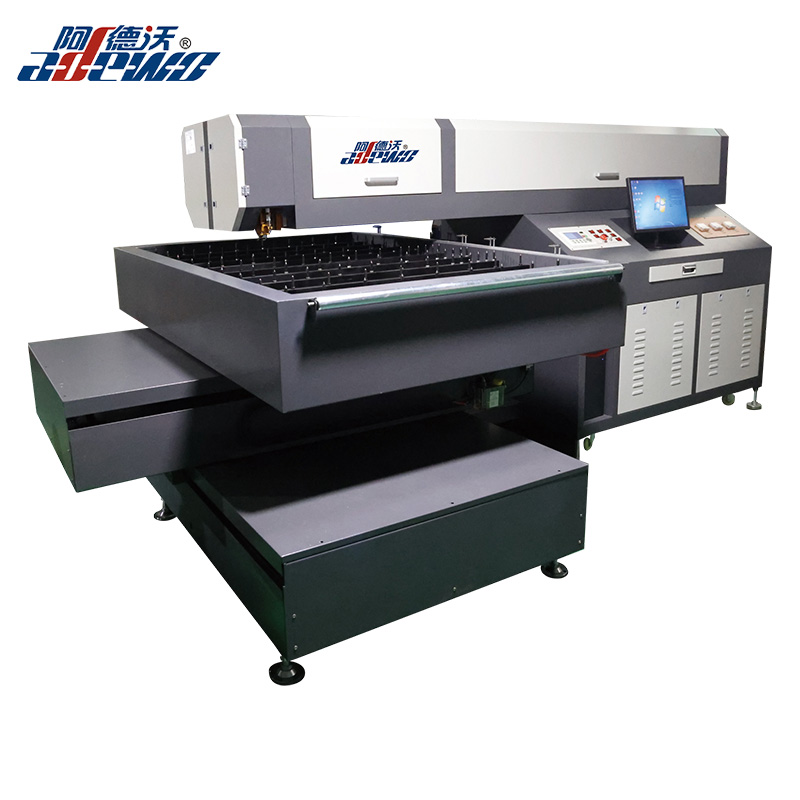
Cramped back rooms and narrow aisles usually force hard choices, but this setup was built around the idea that floor space and throughput do not have to trade off. The machine tucks into a footprint that leaves existing walkways clear, yet the working area stays large enough for fast loading and quick changeovers. As a result, the line keeps moving instead of backing up at the feed point.
What makes the difference is the way the workflow is arranged. Tooling, controls, and the most repeated motions sit within a short reach, so operators are not walking back and forth or waiting for a lift. Over a full day those saved seconds become extra completed runs, which tends to matter more to a busy floor than a modest reduction in square footage.
Even routine upkeep feels less like a chore. Guards and covers open outward without blocking the surrounding path, and daily checks can be done from the front. It is a practical answer for sites that need higher daily output but cannot afford to sacrifice an aisle or a loading zone to get it.
FAQ
The moving table lets you load one sheet while the machine is still cutting another, so the operator isn't standing around waiting for the gantry to finish.
The flat die supports the sheet evenly across the cutting area. That reduces vibration and edge charring, especially on thinner plywood where small movements can show up in the cut.
It accepts standard full-size sheets, and the cross table keeps the feed and unloading side separate. You can run a full sheet without stopping to clear offcuts between parts.
The largest gains come from shorter idle time. Loading and cutting overlap, the cutting head moves between work zones without repositioning the sheet, and smart path planning reduces rapid travel between cuts.
Most operators pick it up within a few days. The control software shows the sheet layout and cut order clearly, and the machine handles focus and bed height adjustments automatically once the material thickness is selected.
Keep the die bed clear of resin buildup, check the guide rails for dust every shift, and wipe the laser lens on the schedule recommended for the wattage. Table alignment should be checked monthly with a dial indicator.
Yes, you can store parameter sets for different thicknesses and glue types. The bed height adjusts to keep the focal point consistent, which helps when switching from 3mm birch to 18mm hardwood plywood.
Conclusion
Shops running plywood jobs usually accept that moving sheets, trimming edges, and correcting burn marks eat into the day. With the smart cross table flat die laser cutter, that pattern shifts. The moving table lets a worker load the next sheet while the previous one cuts, so the beam rarely waits. Because the flat die keeps the sheet firmly in place, edges come out clean enough to skip sanding or second passes, and small orders don't get parked until the end of the week. Most jobs go from file to finished panel in one handling, which changes how the floor schedules everything.
Setup is also less dependent on an experienced operator. The machine holds settings for repeat jobs and adjusts the flat die quickly, so a single worker can keep production moving without constant adjustments. That frees the second person for packing, sorting, or the next order. Even in a fairly small bay, the laser handles a full day's cutting without spreading across the shop. As a result, mixed orders and same-day requests fit into normal workflow rather than forcing overtime. The real gain isn't one feature; it's that the machine removes several small delays at once, which is what daily output actually depends on.
Contact Us
Contact Person: KAELYN LEE
Email: [email protected]
Tel/WhatsApp: +86 15012673758
Website: https://www.china-adewo.com