

Slitter Rewinder Machine Exporter Tips for Choosing Durable Converting Systems
2026-11-17
Most slitter rewinder buyers only discover a machine's weak points after the first roll change—or worse, after a costly converting line shutdown. That is exactly why choosing a durable system matters before the purchase, not after. In this guide, we look at practical tips from a slitter rewinder machine exporter's perspective, and show how XIAOPAI approaches long-term reliability without the usual hype.
Define Your Material Limits Before Comparing Machine Specs
Comparing machine specs is tempting when every datasheet promises faster cycles, tighter tolerances, or lower energy draw. But those numbers only matter if they line up with the materials you actually run. A press that looks incredible on paper for thin aluminum might struggle the moment you feed it high-strength steel or a gummy polymer blend. Before you care about stroke length or tonnage charts, pin down your own operating window: what grades, thicknesses, coatings, and batch variations show up on your floor. Without that baseline, any spec comparison is just noise.
Start by listing the worst-case material conditions you face, not the easy ones. If your shop regularly handles springback-prone alloys or abrasive composites, the machine’s frame rigidity and tooling interface matter far more than its maximum speed. Look at how the equipment behaves at the edges of your material range—partial strokes, short feeds, hot or cold stock—because that is where generic spec sheets go quiet. Once you know exactly which material limits you cannot compromise on, the relevant machine specs will surface on their own, and the rest can be ignored without regret.
This approach saves you from buying capacity you never use or, worse, discovering a hidden mismatch after installation. Instead of chasing the highest numbers, you compare only the few specs that directly protect your material process. The result is a shortlist built on evidence from your own shop floor, not on a sales brochure. Define those limits first, and the right machine choice becomes far less subjective.
Inspect Frame Rigidity, Roller Balance, and Bearing Quality
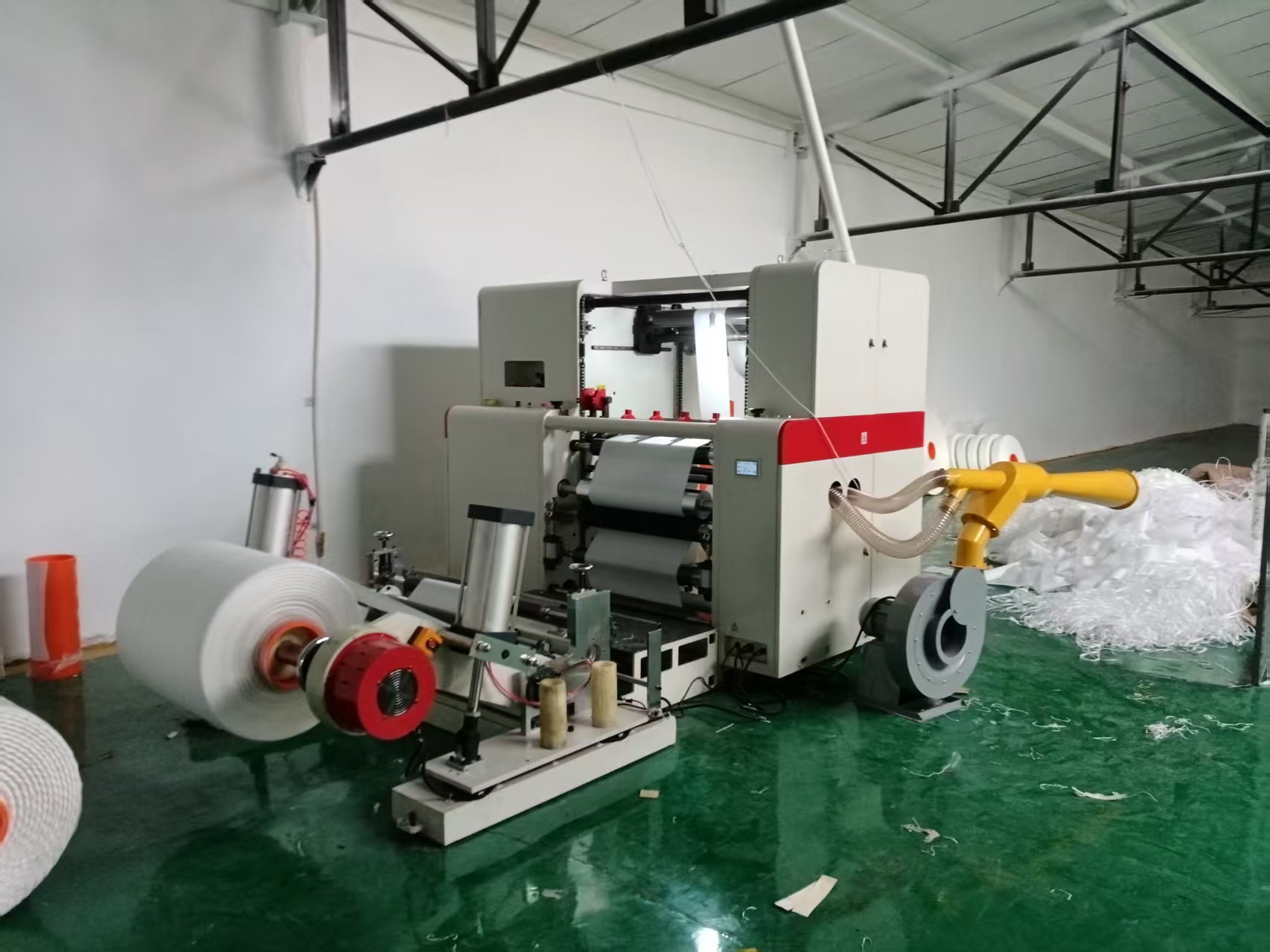
A rigid frame rarely announces itself until a roller starts fighting its mounts. Walk the length of the line and watch for diagonal movement or paint cracks near gussets and bolt holes. It helps to loosen one mounting point at a time and see if the frame springs back or holds a twist. If a level rocks on the rail or the cross members need frequent shimming, the rigidity is already gone in the places that matter.
Roller balance shows up best at the speed the line actually runs, not during a slow hand spin. Mark a reference point on the shell and let the roller coast to a stop several times. If the same spot keeps settling at the bottom, weight is not distributed evenly. Also watch the shaft ends for a slight orbit and listen for a cyclic scuff that comes and goes with each revolution. A balanced roller should sound the same all the way around.
Bearing quality is easier to judge by heat and feel than by appearance alone. After a short run, the housing should be warm but not uncomfortable to touch. Place a fingertip against the housing while the roller is turning to pick up rough spots that a visual check will miss. Any axial play larger than a few thousandths or grease pushing past the seal means the bearing is working outside its design clearance, no matter how smooth the outer race looks.
Match the Slitting Method to the Substrates You Run Daily
A razor cut works fine on thin films and light foils, but put the same blade against a dense paper or a thick laminate and you will see edge dust, blade deflection, and uneven rolls before the shift ends. The substrate’s density, coating, and caliper decide whether a razor, shear, or crush setup is actually going to hold tolerances.
Pressure-sensitive adhesives punish generic advice. Run them through a shear slitter with the wrong nip geometry and adhesive transfer starts showing up on the knives, which then smears onto the web. Many converters get cleaner edges by moving adhesive-coated films to a razor-in-air setup or adjusting shear angle and blade lubrication instead of reaching for a different blade grade.
Nonwovens, recycled board, and heavily filled stocks tend to behave more like abrasive mats than smooth webs. They wear down crush cut anvils quickly, so daily log data on blade life and edge quality usually points to a shear or score configuration with firmer control of side force. Checking edge finish under magnification after each substrate change reveals mismatches long before roll quality complaints arrive.
Request Maintenance Histories From Existing Installations
Pulling maintenance histories from existing installations usually starts with a lookup by equipment tag, site code, or installation date. Instead of digging through binders or scattered spreadsheets, teams can bring up a timeline of service calls, part replacements, and routine checks tied to that specific unit. This makes it easier to see whether a recurring issue has already been addressed or whether a pattern is still developing.
The request itself works best when the right identifiers are included up front. A clear facility name, unit number, and date range help narrow the results quickly. Some systems also allow filtering by maintenance type, such as corrective, preventive, or warranty-related work. Once submitted, the returned history can be reviewed as a chronological list or exported for comparison with similar installations.
What you do with that history matters more than the raw data. Teams often use the records to decide if an older unit should be repaired or replaced, or to prepare for an upcoming inspection. Having the full service background also helps when talking with vendors, since it removes guesswork about what was done, when it was done, and what parts were used.
Test Control Interfaces for Operator Consistency Across Shifts
Control interface checks often focus on whether a button works, but the bigger risk across shifts is interpretation. A day-shift operator may read a flashing amber indicator as a prompt to wait, while the night crew treats it as an immediate alarm. Testing the interface with operators from different shifts can expose these gaps early, especially around color coding, label wording, and the placement of override functions.
One practical method is to run the same set of tasks with crews from different shifts and watch where they hesitate or take an unexpected path. It is not about finding who is wrong; it is about identifying which visual cues are ambiguous under real conditions. For example, a confirmation button placed too close to a navigation control may be pressed accidentally during a rushed handover, or a status icon may lose its meaning on an older screen at the end of a line.
After these observations, adjustments need to be locked into the control environment rather than left to verbal handover notes. Standardizing the sequence of critical actions, simplifying alarm states, and keeping reset procedures in the same visual location reduce the chance that each shift builds its own shortcuts. When the interface behaves predictably, the transition between crews becomes less about re-learning the screen and more about continuing the work.
Confirm Spare Parts Availability and Export-Side Service Response
Before any commitment reaches the customer, our export coordination team runs a live check against warehouse stock in both regional hubs and central distribution centers. This isn't a generic inventory lookup; we pull real-time bin locations, batch numbers, and shelf-life data that matter for cross-border shipments. When a part is marked available in the system, we also confirm that its packaging meets the destination country's labeling and handling requirements, so what leaves our dock won't hit an unexpected hold at customs.
The response on the export side includes more than just an availability statement. We map out the exact lead time for picking, export documentation, and handoff to the designated freight forwarder. If a requested spare is low in stock or allocated to another region, we don't send a flat rejection. Instead, the team proposes alternative sourcing from a parallel warehouse, a compatible revision if one exists, or a realistic restock date based on supplier commitments and transit history. Every option is tied to a named contact who can adjust the plan without forcing the customer to open a new inquiry.
For urgent orders, we add a short exception path: a priority team checks whether the part can be pulled from a reserved service stock or a partner depot near the export point. That answer comes with the same confirmed data, not a vague promise. We've learned that customers facing downtime care less about internal process descriptions and more about knowing exactly when a part can be on a truck or plane, which is why our replies always close with a firm ship-ready date, the Incoterm that applies, and any documents our team will prepare in advance.
FAQ
Look beyond the painted frame. Durable machines typically have precision-ground rollers, hardened anvil shafts, and bearing housings aligned on a single machined base rather than bolted onto sheet metal. The control cabinet should be sealed against dust and the tension zones should use closed-loop feedback instead of relying on brake heat.
Ask whether they machine their own side frames, who supplies the drives, and how they test assembled units before crating. A capable exporter can show photos of in-house CNC work, runout measurements on rollers, and a load test report. If they only offer brochure images and a low price, durability claims are weak.
Air shafts and mechanical chucks wear differently. For frequent size changes, a well-made lug-type air shaft with hardened lugs tends to outlast friction chucks. Ask about spare bladder kits and whether the shaft is dynamically balanced for the maximum roll weight. Poor core grip leads to lateral slip, which damages knives and bearings over time.
Cantilevered knife setups save time, but they need robust locking. Check the blade material, the minimum slitting width tolerance, and whether the bottom knife holders are mounted on a common linear rail. Shear and razor modules should be easy to inspect. If you see plastic shims or exposed adjustment screws, expect drift after heavy runs.
Inconsistent tension forces the rewind shafts and bearings to absorb sudden load spikes. Closed-loop load cells or dancer feedback smooth out those spikes, which protects the drivetrain. Machines that rely only on manual brake settings may run fine for short films but often develop gearbox play and shaft misalignment on wider webs.
Not automatically. Weight can come from poorly engineered base plates. Better indicators are wall thickness at the side frames, machined mating surfaces, and the way the unwind and rewind sections are tied together. A lighter but well-braced structure with finite element analysis behind it can outperform a bulky cast frame with hidden weak points.
Bearings, knife holders, air shaft bladders, and belts should be available from stock. If the exporter asks you to wait months for a bearing or a load cell, downtime will be high. Ask for part numbers and a written lead time list. Strong exporters also include a critical spares package with the first order.
A machine that arrives without alignment instructions or commissioning support often wears faster. Exporters who provide a detailed foundation drawing, step-by-step setup checks, and either remote or on-site start-up help catch misalignments early. Ask for a pre-installation checklist. If they say it is not needed, treat that as a red flag.
Conclusion
Longevity in a slitter rewinder rarely comes from a single headline specification. It starts with knowing the exact width, caliper, tension window, and surface sensitivity of the materials you actually run, because those limits quietly rule out machines that look impressive on paper but strain in daily use. Once the operating envelope is clear, pay more attention to how the frame is welded and reinforced than to the number of unwind stations. Side plates that flex under load, rollers that are not dynamically balanced, and bearings that run hot after a few hours will degrade cut quality long before the control system shows a fault. Likewise, the slitting method should follow the substrate: crush-cut knives may be cheap for films but disastrous on coated papers, while razor blades can leave edge dust on nonwovens. A durable converting line is one where the cutting geometry, tension zones, and rewind nip pressures are all matched to the materials, not adapted later through workarounds.
The second layer of due diligence is about evidence rather than engineering alone. Ask the exporter for maintenance histories from installations that have run similar substrates for at least two years; this reveals whether operators repeatedly replace the same bearings, re-shim knives, or chase web wander. Then spend real time on the control interface with different shift scenarios in mind. If a new operator cannot recover from a spline or tension alarm without assistance, inconsistency will eventually turn small mistakes into roll scrap. Finally, confirm that spare parts are not just listed in a catalogue but stocked regionally or shipped with a guaranteed response window on the export side. A durable converting system is not only the one that survives the first year, but the one that can be brought back to tolerance quickly when something does wear, without waiting weeks for a single roller or drive component.
Contact Us
Contact Person: Kellen Chen
Email: [email protected]
Tel/WhatsApp: 8613806536768
Website: https://www.cnxiaopai.com