
Q355B Solar Steel Solutions: Custom Manufacturing for China's Renewable Energy Sector
2026-01-31
As China accelerates its transition towards clean energy, the demand for durable and efficient solar infrastructure has never been higher. At Energet Solar, we understand that the foundation of every successful solar project lies in the quality of its structural components. That's why we're excited to introduce our specialized Q355B Solar Steel Solutions – custom manufacturing designed specifically for the unique challenges of China's renewable energy sector. From wind-resistant mounting systems to corrosion-protected frameworks, our tailored approach ensures that your solar installations not only meet but exceed industry standards. Energet Solar combines advanced material science with local manufacturing expertise to deliver solutions that withstand harsh environmental conditions while optimizing energy output. What makes our Q355B steel particularly suited for solar applications, and how can customized manufacturing drive efficiency in your projects? Let's explore how innovative engineering is powering China's green future.
Q355B Steel's Role in Solar Panel Support Structures for Renewable Energy
Q355B steel has become a cornerstone material in the construction of solar panel support structures, thanks to its balanced mechanical properties and cost-effectiveness. This low-alloy, high-strength structural steel offers a yield strength of 355 MPa, making it robust enough to endure environmental stressors such as wind loads, snow accumulation, and temperature fluctuations. Its versatility allows engineers to design slimmer, lighter frames without sacrificing durability, which is crucial for large-scale solar farms where material efficiency directly impacts installation costs and long-term stability.
Beyond sheer strength, Q355B steel's weldability and formability enable customized designs that adapt to diverse terrains, from flat deserts to sloping hillsides. This adaptability ensures optimal panel alignment for maximum sunlight capture, a key factor in boosting energy output. Moreover, its corrosion resistance, often enhanced through galvanization or coatings, extends the lifespan of support structures in harsh outdoor conditions, reducing maintenance needs and enhancing the sustainability of renewable energy projects.
In practice, Q355B steel supports innovations like tracking systems that follow the sun's path, improving efficiency by up to 25% compared to fixed mounts. As the renewable energy sector grows, this steel's role is expanding beyond mere support—it's enabling smarter, more resilient solar installations that contribute to a cleaner energy future. By blending reliability with design flexibility, Q355B steel helps drive down the levelized cost of electricity, making solar power more accessible globally.
Custom Fabrication Techniques for Solar Steel Components in China
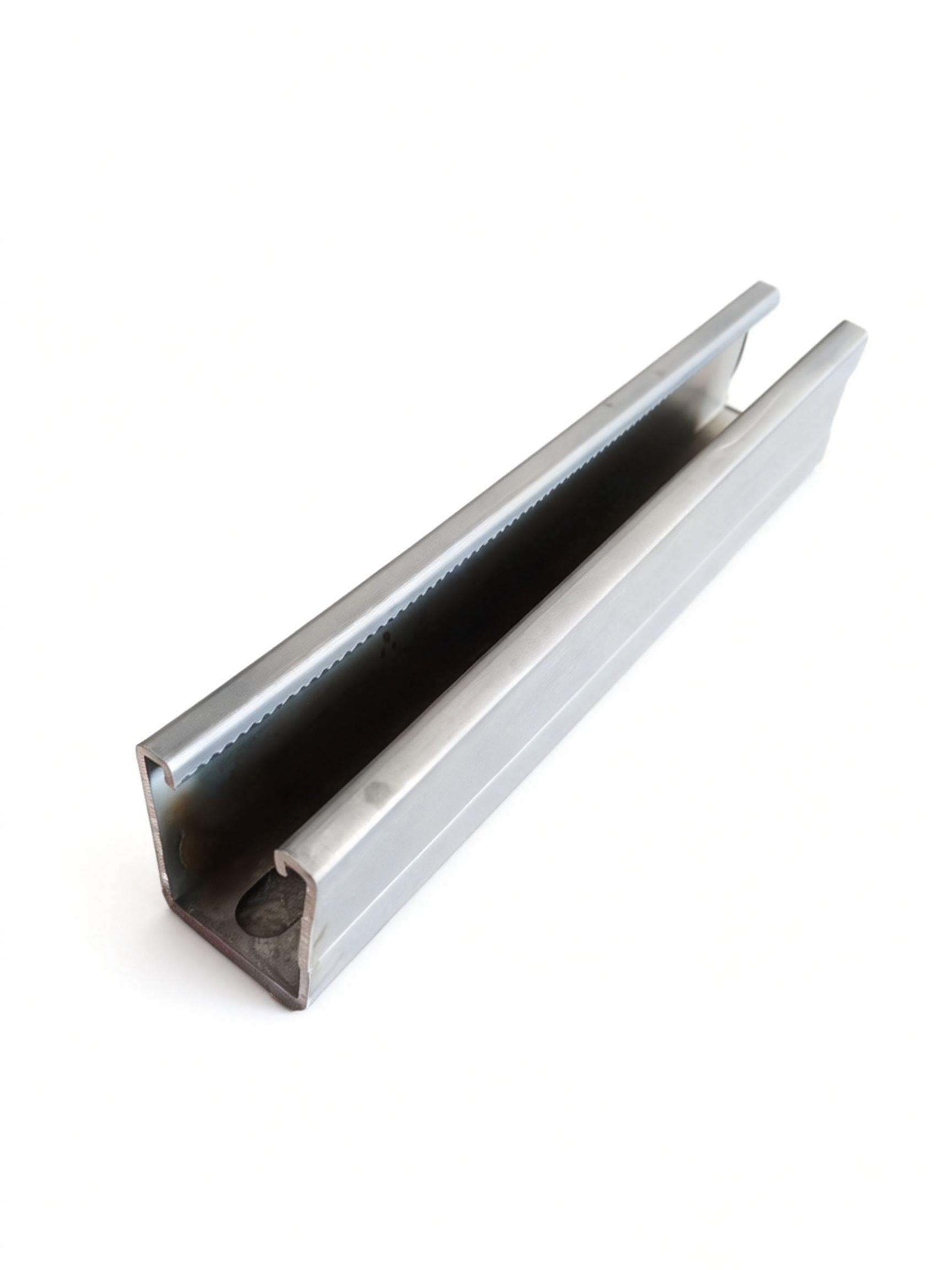
In the solar energy sector, China has pioneered custom fabrication techniques specifically tailored for steel components, crucial for mounting and supporting photovoltaic panels. These methods often incorporate advanced CNC cutting and precision welding, allowing manufacturers to produce intricate steel frames that can withstand harsh environmental conditions, from heavy snow loads to high winds. By leveraging AI-powered design simulations, engineers optimize the geometry and material thickness, reducing waste while enhancing structural integrity. This approach not only boosts efficiency but also ensures components are lightweight yet durable, making them ideal for large-scale solar farms across diverse terrains.
A standout aspect is the integration of modular fabrication systems, where steel components are prefabricated off-site for rapid assembly. This custom technique involves using specialized jigs and fixtures to maintain tight tolerances, ensuring seamless compatibility with various solar panel models. Manufacturers often employ corrosion-resistant coatings, such as hot-dip galvanization, tailored to local climate factors like humidity or salt exposure in coastal regions. These practices minimize maintenance needs and extend the lifespan of solar installations, giving Chinese-made steel components a competitive edge in global markets for their reliability and cost-effectiveness.
Innovation in custom fabrication extends to automated robotic welding and 3D scanning for quality control, enabling real-time adjustments during production. Techniques like laser cutting allow for intricate designs that maximize sunlight capture while reducing material usage. Many Chinese firms also adopt sustainable practices, such as using recycled steel and optimizing logistics to cut carbon footprints. By focusing on bespoke solutions, these methods address specific project requirements, from rooftop installations to floating solar systems, showcasing how custom fabrication drives efficiency and adaptability in the renewable energy industry.
Advantages of Q355B Material in Withstanding Environmental Stress
Q355B steel stands out as a robust material for applications exposed to harsh environmental conditions, thanks to its excellent durability and resistance to corrosion. This low-alloy high-strength structural steel contains elements like manganese, which enhance its ability to withstand stress from factors such as moisture, temperature fluctuations, and chemical exposure. In real-world scenarios, such as in coastal or industrial settings, Q355B maintains structural integrity over time, reducing the need for frequent maintenance and replacements. Its balanced composition ensures that it doesn't succumb easily to rust or degradation, making it a reliable choice for long-term projects where environmental resilience is critical.
Beyond basic corrosion resistance, Q355B material excels in handling dynamic environmental stresses like thermal expansion and contraction. As temperatures shift, many metals warp or crack, but Q355B's controlled alloy mix provides flexibility and strength to absorb these changes without compromising performance. This is particularly valuable in infrastructure like bridges or outdoor structures, where seasonal variations can impose significant strain. The steel's fatigue resistance further supports its use in high-stress environments, preventing failures that could arise from repeated loading cycles under challenging weather conditions. Engineers often prefer it for projects demanding both safety and longevity, as it adapts well to unpredictable climates.
Another notable advantage of Q355B is its weldability and formability, which contribute to its environmental stress tolerance. During fabrication, it can be shaped and joined without losing its protective properties, allowing for customized designs that optimize exposure resistance. This flexibility means structures can be tailored to disperse stress more effectively, such as in wind-resistant frameworks or earthquake-prone areas. Compared to other materials, Q355B offers a combination of affordability and performance, providing a cost-effective solution without sacrificing reliability. Its widespread use in sectors like construction and manufacturing highlights how it meets modern demands for materials that can thrive in diverse, demanding environments.
Innovative Design Solutions for Solar Farms Using Q355B Steel
Harnessing solar energy is about more than just panels and inverters – it's about building durable, scalable structures that can withstand the elements for decades. One key innovation gaining traction in the industry is the use of Q355B steel, a high-strength, low-alloy steel known for its excellent mechanical properties and corrosion resistance. By integrating Q355B into solar farm frameworks, engineers are crafting solutions that not only support heavy photovoltaic modules but also adapt to diverse terrains, from arid deserts to coastal regions where salt spray is a constant challenge. This steel's versatility allows for creative designs, such as elevated mounts that reduce land disruption or tilt-adjustable systems that maximize sunlight capture throughout the day.
In practice, Q355B steel enables more efficient modular designs that speed up installation while cutting long-term maintenance costs. For instance, prefabricated steel trusses made from this material can be quickly assembled on-site, minimizing labor and reducing the environmental footprint of construction. Its high yield strength means thinner, lighter components without sacrificing stability, leading to sleeker installations that blend better with natural landscapes. Companies are even experimenting with Q355B in floating solar farms, where its resistance to moisture and fatigue helps structures endure waves and weather, pushing the boundaries of where solar power can thrive.
Beyond durability, Q355B steel supports smart innovations like integrated tracking systems that pivot panels to follow the sun. By combining this steel with advanced welding techniques and coatings, designers are extending lifespans and boosting energy output in challenging environments. As the demand for renewable energy grows, such material-driven designs are setting new benchmarks, making solar farms not just functional but also resilient investments for the future.
Quality Assurance and Testing in Custom Solar Steel Manufacturing
In the realm of custom solar steel manufacturing, quality assurance and testing form the backbone of ensuring that every component not only meets but exceeds stringent industry standards. This sector demands precision from the ground up: steel used in solar mounting systems must endure harsh environmental conditions, from blistering sun to heavy snowfall, over decades. Unlike generic steel products, custom solutions tailored for solar applications require specialized testing protocols—think accelerated corrosion tests, dynamic load simulations, and meticulous weld inspections. Manufacturers often integrate real-time monitoring during production, leveraging technologies like ultrasonic testing to detect microscopic flaws that could compromise long-term stability. It's this rigorous scrutiny that transforms raw steel into a reliable partner for renewable energy projects, safeguarding investments and maximizing solar efficiency.
Beyond standard checks, innovative testing approaches are reshaping quality assurance in this niche. For instance, some facilities now employ digital twin simulations to predict how custom steel structures will perform under specific geographic conditions before they're even fabricated. This proactive method allows for adjustments in material composition—such as alloy variations or protective coatings—based on predictive data, reducing waste and enhancing durability. Field testing also plays a crucial role; post-installation assessments on solar farms validate laboratory results, ensuring that theoretical resilience translates to real-world endurance against elements like high winds or soil shifts. By blending traditional metallurgical expertise with cutting-edge tech, the industry cultivates a culture of continuous improvement, where every test feedback loop refines the next generation of solar-ready steel.
Ultimately, the emphasis on quality assurance and testing is what distinguishes premium custom solar steel from mass-produced alternatives. It's not just about passing basic certifications; it's a holistic commitment to longevity and sustainability. Manufacturers who prioritize this often collaborate closely with clients, tailoring their testing regimes to project-specific needs—whether that involves extreme temperature cycling for desert installations or advanced galvanization for coastal sites. This personalized approach ensures that each steel component is a perfect fit for its intended solar application, boosting overall system reliability and reducing maintenance headaches down the line. In a market driven by green energy advancements, robust quality practices become a silent yet powerful selling point, building trust through demonstrable performance rather than mere compliance.
Future Trends and Applications of Q355B Steel in China's Green Energy Sector
As China intensifies its push towards renewable energy solutions, Q355B steel is emerging as a critical material, particularly in wind turbine construction. Known for its exceptional strength-to-weight ratio and weldability, this low-alloy structural steel enables the development of taller towers and longer blades that capture more wind energy efficiently. Beyond turbines, it's increasingly used in solar panel mounting structures, where durability and resistance to weathering are paramount for long-term performance in diverse climates across the country.
Looking ahead, innovations in manufacturing processes are set to enhance Q355B's role further. Advances like controlled rolling and thermo-mechanical treatments could improve its toughness and fatigue resistance, making it ideal for next-generation hydroelectric plants and geothermal infrastructure. These upgrades align with China's goals to expand clean energy capacity, ensuring that steel components can withstand extreme operational stresses while reducing maintenance needs over decades of service.
In the coming years, Q355B steel may also find new applications in energy storage systems, such as structural supports for large-scale battery installations and hydrogen storage tanks, supporting grid stability as renewables proliferate. Its adaptability and cost-effectiveness, coupled with ongoing research into corrosion-resistant coatings, position it as a versatile backbone for China's green energy transition, driving both technological advancement and sustainable growth in the sector.
FAQ
Q355B Solar Steel Solutions is a company specializing in custom steel manufacturing, specifically designed for China's growing renewable energy infrastructure. They provide tailored steel components like support structures for solar panels, ensuring durability and efficiency in solar farms across the country.
Yes, they are equipped to manage large-scale projects, offering scalable manufacturing processes that meet the high demand for reliable steel supports in China's expanding solar energy sector, from small farms to massive utility-scale installations.
Their product range includes custom brackets, mounting systems, and structural frames made from Q355B steel, all engineered to withstand harsh environmental conditions like wind and corrosion, optimized for solar panel installations.
They implement rigorous quality control measures and use eco-friendly practices, such as energy-efficient production and recyclable materials, to align with China's green energy goals while delivering high-performance steel solutions.
Their key differentiators include advanced customization capabilities, quick turnaround times, and a focus on local client collaboration, allowing for bespoke designs that fit specific site requirements in China's diverse renewable energy projects.
Businesses can engage through direct consultations to discuss project specifics, benefiting from their expertise in custom fabrication and logistical support, ensuring seamless integration into solar energy developments nationwide.
Conclusion
Q355B steel has become a cornerstone material in China's renewable energy infrastructure, particularly for solar panel support systems where its high strength-to-weight ratio ensures durability across diverse terrains. Custom fabrication techniques leverage China's advanced manufacturing capabilities to produce precision components that optimize installation efficiency and reduce on-site adjustments. The material's inherent resistance to corrosion and mechanical stress allows solar farms to maintain structural integrity in harsh environmental conditions, from coastal salinity to extreme temperature fluctuations. By integrating these advantages with innovative design approaches, Q355B enables the creation of modular and adaptable support structures that can scale with China's expanding solar energy projects.
Quality assurance protocols in custom manufacturing involve rigorous testing for weld integrity and load-bearing capacity, ensuring long-term reliability in solar installations. As China accelerates its green energy transition, future applications of Q355B steel are evolving to support floating solar arrays and integrated agricultural-solar systems, where material flexibility and environmental resilience are critical. This tailored approach not only enhances the economic viability of renewable energy projects but also positions Chinese manufacturers at the forefront of sustainable steel solutions, driving innovation in solar farm design and construction methodologies.
Contact Us
Contact Person: Simon
Email: [email protected]
Tel/WhatsApp: 8613672181100
Website: https://energetsolar.com/