

Precious Alloys: Unlocking Innovation and Value in Modern Industries
2026-02-23
In today's fast-paced industrial landscape, precious alloys stand as unsung heroes, driving innovation and unlocking immense value across sectors from aerospace to electronics. At GRM, we specialize in harnessing these remarkable materials to push boundaries and create solutions that resonate with modern challenges. This blog delves into how precious alloys are revolutionizing industries, offering insights into their transformative potential and the cutting-edge applications that define our era. Join us as we explore the synergy between advanced materials and industrial progress, and discover how GRM is leading the charge in this dynamic field.
Precious Alloys: A Foundation for Cutting-Edge Advancements
These remarkable materials, often combining rare metals like platinum, palladium, or gold with others, are not just prized for their beauty—they're game-changers in technology and industry. By tweaking their compositions, scientists can unlock unique properties such as extreme durability, superconductivity, or resistance to corrosion, pushing the boundaries of what's possible in fields from aerospace to medical devices.
Imagine a surgical tool that stays sharp through countless procedures or a spacecraft component that withstands the harsh vacuum of space—precious alloys make these feats a reality. Their tailored characteristics enable innovations that would falter with conventional metals, ensuring reliability and performance where failure isn't an option.
As research dives deeper, these alloys continue to surprise us, evolving into smart materials that adapt to conditions or conduct electricity with minimal loss. They're quietly fueling progress, from renewable energy systems to next-gen electronics, proving that their value goes far beyond the market price tag.
Driving Efficiency and Performance in High-Tech Manufacturing
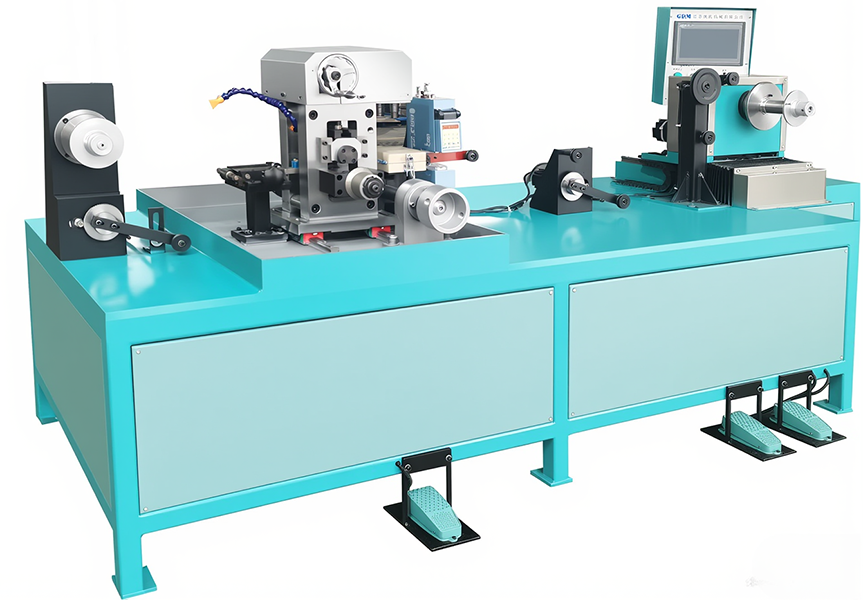
In today's competitive high-tech manufacturing landscape, efficiency and performance aren't just buzzwords—they're the lifeblood of sustainable growth. Companies are pushing beyond traditional metrics to integrate real-time data analytics and smart automation, transforming how assembly lines operate. By leveraging predictive maintenance and IoT-connected sensors, manufacturers can anticipate equipment failures before they disrupt production, slashing downtime and boosting overall throughput. This proactive approach not only accelerates output but also enhances product quality, ensuring that every component meets stringent specifications from semiconductors to aerospace parts.
The drive for peak performance extends to optimizing supply chains and workforce collaboration. Manufacturers are adopting agile methodologies and lean principles to streamline processes, reducing waste and eliminating bottlenecks. Advanced robotics and AI-driven systems work in tandem with skilled technicians, creating a synergistic environment where human expertise guides machine precision. This fusion allows for rapid adaptation to custom orders or sudden market shifts, maintaining a competitive edge while controlling costs. It's not just about doing things faster; it's about doing them smarter, with a focus on continuous improvement and innovation that keeps companies ahead in a fast-paced industry.
Ultimately, achieving high efficiency and performance hinges on a culture of innovation and resilience. High-tech manufacturers are investing in R&D to pioneer new materials and production techniques, from additive manufacturing to energy-efficient systems. By fostering employee training and embracing eco-friendly practices, they build robust operations that thrive under pressure. The result is a dynamic ecosystem where cutting-edge technology and strategic vision converge, delivering superior products that meet the ever-evolving demands of global markets, solidifying their reputation as leaders in precision and reliability.
Sustainable Solutions through Innovative Alloy Applications
In tackling today's pressing environmental challenges, innovative applications of advanced alloys are emerging as a cornerstone for sustainable development. Unlike conventional methods, these specialized materials—ranging from high-strength steels to corrosion-resistant superalloys—enable more efficient use of resources, reduced waste, and enhanced durability in everything from infrastructure to renewable energy systems. By leveraging their unique properties, industries can design products that not only last longer but also consume less energy over their lifecycle, pushing the boundaries of what's possible in green technology.
One standout example is the use of aluminum alloys in lightweight automotive and aerospace components, which significantly cuts fuel consumption and emissions without compromising safety or performance. Similarly, titanium alloys are revolutionizing medical implants and desalination plants by offering unparalleled biocompatibility and resistance to harsh conditions, thereby extending service life and minimizing replacement needs. These applications showcase how alloy innovation isn't just about the material itself but about creating tailored solutions that address specific environmental and economic hurdles, often in unexpected ways.
Looking ahead, the integration of smart alloys with adaptive properties, such as shape-memory or self-healing capabilities, promises to further elevate sustainability efforts. Imagine bridges that self-repair cracks or solar panels that adjust their angles for optimal efficiency, all thanks to these cutting-edge materials. By fostering collaboration between researchers, engineers, and policymakers, we can accelerate the adoption of such alloys, ensuring that innovation drives a cleaner, more resilient future where technology and environmental stewardship go hand in hand.
Transforming Industries with Customized Metallic Blends
Customized metallic blends are revolutionizing multiple sectors, from manufacturing to electronics, by offering tailored solutions that enhance performance and durability. These bespoke alloys allow engineers to fine-tune properties such as corrosion resistance, electrical conductivity, and structural integrity, addressing specific challenges faced by different industries. For instance, in aerospace, lightweight yet strong alloys reduce fuel consumption, while in medical devices, biocompatible blends ensure safety and longevity.
The innovation lies in the ability to combine elements like titanium, nickel, or aluminum in precise ratios, creating materials that outperform standard metals. This customization has led to breakthroughs like self-healing components in automotive parts or energy-efficient conductive alloys in renewable energy systems, demonstrating how these blends serve as a catalyst for sustainable progress. By pushing the boundaries of material science, customized metallic blends are not just refining existing processes but enabling entirely new applications.
Adopting these advanced blends often involves collaboration between research institutions and industry leaders, fostering a cycle of continuous improvement. As demand grows for smarter, greener solutions, customized metallic blends stand out as a key driver in transforming traditional practices into high-tech, efficient operations across the globe.
Economic Impact: Maximizing Value in Industrial Processes
In today's competitive industrial landscape, the focus on economic impact extends beyond mere cost-cutting to a strategic emphasis on value maximization. This involves optimizing every facet of production—from raw material procurement to final product delivery—to enhance efficiency, reduce waste, and boost profitability. By integrating advanced analytics and real-time monitoring, companies can identify bottlenecks, predict maintenance needs, and streamline operations, ensuring resources are utilized to their fullest potential.
A key driver in maximizing value is the adoption of sustainable practices, which not only reduce environmental footprints but also lead to long-term cost savings. For instance, energy-efficient technologies and circular economy principles can lower operational expenses while appealing to eco-conscious consumers and investors. This dual benefit underscores how economic resilience is increasingly tied to innovative, responsible approaches that align financial goals with broader societal expectations.
Ultimately, the pursuit of value in industrial processes requires a holistic view that balances technological advancements with human capital development. Investing in employee training and fostering a culture of continuous improvement can unlock hidden efficiencies and drive innovation, leading to superior product quality and market differentiation. This comprehensive strategy not only strengthens a company's bottom line but also positions it for sustained growth in an ever-evolving global economy.
Future Trends and Emerging Opportunities in Alloy Development
One of the most exciting frontiers in alloy development lies in the push towards smart and functional materials that respond dynamically to environmental changes. Researchers are exploring self-healing alloys that can repair minor cracks or deformations through thermal or electrical activation, potentially prolonging the lifespan of critical components in aerospace and medical devices. Alongside this, shape-memory alloys continue to evolve, with new compositions offering enhanced flexibility and durability for applications ranging from robotics to adaptive architectural structures. These innovations aren't just about stronger materials—they're about creating responsive systems that interact intelligently with their surroundings.
Sustainability is reshaping traditional approaches, driving the exploration of lightweight, high-strength alloys that reduce energy consumption in transportation and manufacturing. The shift towards using recycled or low-carbon raw materials is gaining momentum, with novel processing techniques like additive manufacturing enabling precise control over alloy composition and microstructures. This allows for the creation of bespoke materials tailored to specific performance needs, while minimizing waste. As industries face increasing pressure to meet environmental targets, these eco-friendly alloys present significant opportunities for cost savings and regulatory compliance.
Emerging computational tools and artificial intelligence are accelerating discovery by predicting alloy behaviors before physical testing. Machine learning models analyze vast datasets to identify promising combinations of elements, reducing reliance on trial-and-error methods. This data-driven approach is leading to breakthroughs in multi-principal element alloys, where complex mixtures of multiple metals yield unique properties like exceptional corrosion resistance or high-temperature stability. As these tools become more accessible, they open doors for smaller research teams and startups to contribute to the field, fostering a more diverse and innovative landscape in materials science.
FAQ
The title draws from the growing role of advanced metallic combinations in driving technological breakthroughs and economic growth across sectors like aerospace and electronics, emphasizing their strategic importance beyond traditional uses.
They enable the creation of biocompatible implants and surgical tools with enhanced durability and corrosion resistance, leading to longer-lasting medical solutions and improved patient outcomes in fields such as orthopedics and dentistry.
In the renewable energy sector, alloys like those containing platinum or iridium are critical for efficient fuel cells and solar panel components, boosting energy conversion rates and reducing environmental impact through more sustainable manufacturing.
Key hurdles include limited global reserves, high extraction costs, and geopolitical supply chain risks, which drive research into recycling methods and alternative materials to ensure long-term availability and affordability.
In high-tech areas, they often provide essential performance enhancements, such as conductivity in electronics, while in traditional sectors like jewelry, their value stems more from aesthetic appeal and rarity, though both benefit from alloy innovations.
Emerging directions include nanotechnology integration for ultra-precise alloys, increased focus on eco-friendly sourcing, and cross-industry collaborations to design materials tailored for specific industrial needs, like those in space exploration.
Conclusion
Precious alloys serve as the cornerstone of modern industrial innovation, blending rare metals like platinum, gold, and palladium with base metals to create specialized materials that drive cutting-edge advancements. These high-performance alloys are essential in sectors such as aerospace, electronics, and medical devices, where their unique properties—like corrosion resistance and conductivity—enable breakthroughs in technology and engineering. By providing a robust foundation for new applications, they unlock unprecedented value and efficiency in manufacturing processes.
Beyond performance, precious alloys contribute to sustainability and economic growth through innovative applications that reduce waste and energy consumption. Customized metallic blends are transforming industries by tailoring solutions to specific needs, from automotive catalysts to renewable energy systems. As future trends point toward emerging opportunities in alloy development, they promise to maximize economic impact by optimizing industrial processes and fostering long-term value creation in global markets.
Contact Us
Contact Person: Rayna
Email: [email protected]
Tel/WhatsApp: 86 -173 1474 6343
Website: https://www.grmrollingmill.com/