

OEM Hotel HVAC Energy Saving: Smart Strategies for Lower Costs
2026-09-19
Every hotel manager knows the silent budget killer: the HVAC system churning through energy around the clock, often running on outdated or one-size-fits-all logic. What if your heating and cooling could be fine-tuned to your property’s exact layout and occupancy patterns—slashing waste without a single guest noticing a difference? OEM hotel HVAC solutions from Tongbaote are turning that possibility into a daily reality. This guide unpacks smart, practical strategies to lower your energy costs while keeping every room perfectly comfortable.
Stop Paying for Unoccupied Corridor Cooling
Most buildings still cool corridors, stairwells, and empty hallways as if they were fully occupied around the clock. That invisible waste adds up fast — in energy bills, wear on equipment, and unnecessary carbon output. The fix isn't complicated: stop conditioning space nobody uses.
Start by checking where your thermostats and sensors are actually placed. A single sensor in a rarely used corridor can keep an entire air handling unit running far longer than needed. Move zoning controls away from transient areas, or install occupancy-based setbacks that let those zones drift a few degrees when no one is passing through.
You don't need a major retrofit. Small adjustments — like closing underused vents, rescheduling night setbacks, or reprogramming VAV boxes for corridor zones — often cut 10–20% of a building's cooling load without affecting comfort where people actually sit and work.
Match Chiller Output to Actual Hotel Load
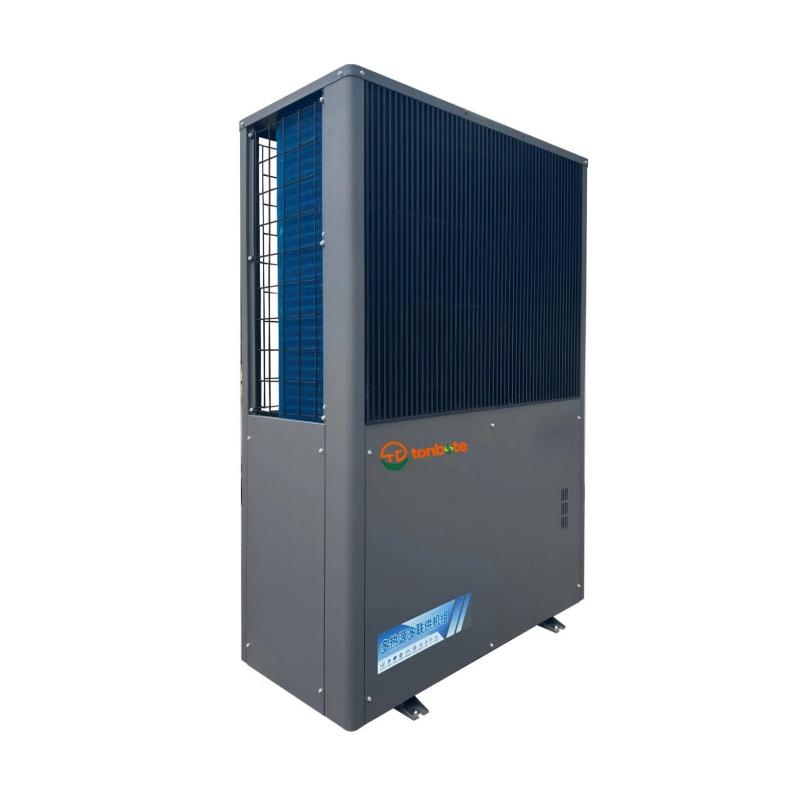
Hotels rarely operate at a steady thermal load. Guest occupancy swings, kitchen exhaust varies, and banquet spaces sit empty for hours yet demand rapid cooling when filled. A chiller sized strictly for peak design conditions will short-cycle during off-peak periods, wasting energy and wearing down compressors. Matching output to actual load means tracking real-time demand signals—not just return water temperature, but also occupancy sensors, event schedules, and even weather forecasts. When the chiller plant can stage or modulate compressors based on these inputs, it avoids the classic trap of running at 20% capacity with 80% of the energy draw.
The practical approach starts with a load profile built from at least a week of trending data, including nights and weekends. Compare that against the chiller’s part-load efficiency curve. Many centrifugal chillers lose efficiency below 30% load, while modular or variable-speed screw chillers hold flat curves down to 15%. If the hotel’s base load at 3 a.m. is only 10% of peak, a single large chiller is the wrong fit. Instead, consider paralleling a small “night chiller” or using a variable-primary flow system that lets the same chiller run efficiently across a wider range. The goal is not to match instantaneous spikes—those are handled by thermal storage or demand limiting—but to align the chiller’s most efficient operating band with the hotel’s recurring load pattern.
Field tuning makes the difference between a theoretical match and a real one. Set the chilled water supply temperature reset based on outdoor air or return water temperature; raise the setpoint a few degrees during low-load periods to reduce lift and improve COP. Verify that condenser water relief valves and cooling tower fans are not fighting the chiller at part load. Finally, log kW/ton over a rolling 24-hour period and compare it to the manufacturer’s expected curve. If the actual efficiency at 40% load is worse than the curve suggests, look for bypass flow, low refrigerant charge, or oversized pumps. Matching output to load is an ongoing adjustment, not a one-time design decision.
Recover Heat From Kitchen and Laundry Exhaust
Kitchen exhaust hoods and laundry dryers push a surprising amount of conditioned air straight outdoors. A heat recovery unit placed in that exhaust stream can capture much of the thermal energy before it escapes, using it to preheat incoming water or makeup air. In a commercial kitchen, this can mean reclaiming heat from the hood's constant flow and routing it to a hot water tank, cutting the load on primary water heaters. For laundry operations, the warm, moist exhaust from dryers can be run through a heat exchanger so that the fresh air entering the building arrives already warm.
The practical details matter more than the concept. Exhaust from kitchens carries grease and moisture, so the heat exchanger needs accessible, cleanable surfaces and a drain for condensate. Dryer exhaust adds lint, which demands regular filter maintenance to keep efficiency from dropping. Small residential systems often recover enough heat to make a noticeable difference in winter, but they need to be matched carefully to the exhaust volume and temperature. Oversizing a unit or ignoring filter changes usually erases the savings.
Where these systems pay off fastest is in buildings with long operating hours and high exhaust flow, like restaurants, care homes, or apartment laundry rooms. Instead of treating exhaust as waste, it becomes a preheating source that runs whenever the kitchen or dryers do. This reduces the runtime of boilers and furnaces, and because the recovered heat is already on site, it avoids the losses that come with generating new heat from scratch.
Use Guest Check-In Data to Precondition Rooms Only When Needed
Hotels often waste energy by cooling or heating every vacant room to a standard temperature, regardless of when a guest will actually arrive. By tapping into check-in data from the front desk or mobile app, the building management system can delay preconditioning until a room is truly about to be occupied. For example, if a guest checks in at 3 p.m. but won't reach the room until 8 p.m., there's no reason to blast the air conditioner for five extra hours. Instead, the system waits until roughly 45 minutes before the guest’s anticipated arrival, then adjusts the room to a comfortable level. This simple timing shift cuts HVAC runtime on unoccupied rooms by a significant margin without sacrificing guest comfort.
The trick is to treat each room as a dynamic unit rather than a static block. Check-in data provides a real-time signal: when a guest completes registration, the system knows which room they've been assigned and when they're likely to walk in. If the guest opts for early check-in or has a late flight, the preconditioning window can be adjusted accordingly. Some properties even use historical patterns—like business travelers who typically show up right after landing—to fine-tune the start time. The result is fewer hours of wasted heating or cooling, lower utility bills, and a quieter building since fans and compressors aren't running constantly for empty rooms.
Beyond energy savings, this approach also reduces wear on HVAC equipment and helps maintenance teams spot issues before guests complain. A room that fails to reach the target temperature during the short preconditioning window is a red flag for a clogged filter or a refrigerant leak, allowing staff to fix it before the guest notices. Meanwhile, the guest still walks into a comfortable space, unaware that the room was nearly at outdoor temperature an hour earlier. It's a behind-the-scenes efficiency that makes hotel operations leaner without compromising the arrival experience.
Catch Failing Sensors Before They Waste Energy
A dead zone in a chilled water loop rarely announces itself. A differential pressure sensor drifts by a few millivolts, the building management system keeps calling for the same output, and a pump throttles against a valve that never moves. The result isn't dramatic; it's just a slow rise in kilowatt-hours that shows up months later on a utility bill. Catching that kind of failure early means treating sensors as living parts of the control loop, not set-and-forget hardware.
The trick is to watch how a sensor behaves relative to its own history and its neighbors. When a return air temperature reading goes flat for six hours while the space is actively heating, or when a flow meter disagrees with the pump speed curve in a way that defies physics, those are signals. They don't require a model or a platform upgrade. A simple trend comparison during commissioning, or a weekly automated check, can flag a drift before it becomes a control sequence failure.
Maintenance teams that do this well stop chasing comfort complaints and start replacing the right $80 sensor instead of re-tuning whole loops. It changes the conversation from "the system is inefficient" to "this specific sensor is lying and here's the proof." That kind of precision saves hours, avoids unnecessary retrofits, and keeps energy from being spent on conditions that no longer exist.
Trade Constant Air Volume for Demand-Controlled Ventilation
Most buildings still run ventilation systems as if occupancy never changes. Constant air volume setups push the same airflow hour after hour, no matter if a conference room sits empty or a whole floor clears out by mid-afternoon. That approach wastes fan energy and chills or heats air that nobody breathes. Swapping to demand-controlled ventilation flips the logic: sensors track actual occupancy or CO₂ levels, and airflow follows real-time need. The result is less wasted air movement, tighter control of indoor conditions, and noticeably lower utility bills without any sacrifice in comfort.
The shift is not just about saving energy. Fixed airflow often overventilates spaces early in the morning, then underwhelms during peak occupancy because the system was sized for an average that rarely occurs. Demand-controlled ventilation responds to the actual crowd, ramping up only when people fill the room and dialing back when they leave. That means fewer cold drafts in sparsely occupied zones and better humidity control during shoulder seasons. Over a year, the avoided overventilation adds up, often cutting fan energy use by half or more in spaces with variable occupancy.
Making the trade does require some upfront adjustments: adding CO₂ sensors or occupancy detectors, rebalancing dampers, and possibly reprogramming the building automation system. But the payback is typically quick in offices, schools, conference centers, and other spaces where occupancy swings widely. Once the system learns real patterns, it quietly matches airflow to people present, reducing wear on fans and filters too. The building ends up more responsive, not less, and the air feels fresher because it is delivered where and when it is actually needed.
FAQ
The key is to focus on invisible efficiency rather than visible cutbacks. Use occupancy-based setbacks in unoccupied rooms, but make sure recovery times are tuned so guests never walk into a hot or cold room. Zoning common areas separately from guest floors allows lower energy use in spaces like lobbies during off-peak hours without affecting room comfort. Also, maintain relative humidity targets rather than just temperature, as guests feel comfortable across a wider temperature range when humidity is controlled.
Working directly with original equipment manufacturers gives access to firmware updates, proprietary tuning parameters, and genuine replacement parts that keep equipment running at design efficiency. Many OEMs offer energy audits or remote monitoring packages that third-party contractors don't. For example, an OEM might adjust the compressor staging logic for a specific hotel's load profile, squeezing out 5-10% savings that generic settings miss.
Dirty coils, refrigerant undercharge, and slipping belts can silently increase energy use by 15-25%. A structured OEM-based maintenance plan should include coil cleaning, refrigerant level checks, sensor calibration, and economizer testing. This prevents drift in performance and ensures the HVAC system doesn't work harder than necessary to deliver the same comfort.
The trick is to integrate them with the property management system so the room knows when it's rented, cleaned, or vacant. Instead of a one-size-fits-all setback, the system can pre-cool or pre-heat only right before check-in. Occupancy sensors can also turn off fan coil units in meeting rooms that are booked but not actually used, avoiding wasted energy from a schedule alone.
A frequent mistake is over-sizing replacement equipment. Many hotels replace an old chiller with the same tonnage without re-evaluating actual load, which leads to short cycling and poor humidity control. Another error is ignoring the building envelope; adding insulation or better windows can reduce HVAC load more cheaply than upgrading equipment. Also, setting aggressive setbacks in unoccupied spaces without considering recovery time can cause guest complaints and override attempts.
Yes, especially in spaces with variable occupancy like ballrooms, restaurants, and fitness centers. By using CO2 sensors to modulate outside air intake, hotels avoid conditioning excessive ventilation air when few people are present. One hotel might cut kitchen exhaust fan speed during low cooking periods, saving on both fan energy and conditioned makeup air. It's a smart strategy because it reduces load without touching guest room thermostats.
Instead of overcooling the whole building to remove moisture, use dedicated dehumidification in high-moisture areas like pools and laundry rooms. In guest rooms, set the fan coil to run at low speed for a few minutes after the compressor cycles off to wring extra moisture from the coil. This improves comfort at a higher setpoint, allowing a slightly warmer room temperature in summer and lower cooling energy.
Re-commissioning is usually the quickest win. A technician goes through the existing control sequences, calibrates sensors, verifies damper positions, and adjusts setpoints to match actual occupancy patterns. This often uncovers issues like simultaneous heating and cooling, stuck outside air dampers, or incorrect schedules that can be fixed with no capital cost. Hotels frequently see 5-15% savings within a month.
Conclusion
Hotel HVAC systems often run at full tilt while corridors sit empty and unoccupied rooms are cooled to the same setpoint as occupied ones. OEM-level control logic can fix this by linking chiller output to real-time load instead of a fixed schedule. Rather than paying to remove heat from empty hallways, facilities teams can isolate those zones and shift capacity to areas that actually need it. Pairing this with guest check-in data means rooms are only preconditioned shortly before arrival, not days in advance. That single change cuts compressor runtime and fan energy without any guest comfort penalty.
Another overlooked opportunity is recovering heat from kitchen and laundry exhaust streams. Instead of venting that thermal energy outside, it can preheat domestic hot water or supplement space heating during cooler months. On the ventilation side, trading constant air volume boxes for demand-controlled ventilation lets the system ramp down when CO₂ levels are low and occupancy is thin. And because even the best sequence fails when sensors drift, a routine check of temperature and pressure transmitters catches small errors before they force chillers or fans to work harder than needed. These OEM-friendly strategies lower utility bills and reduce wear on major equipment, often with payback measured in months rather than years.
Contact Us
Contact Person: Wanshu Chen
Email: [email protected]
Tel/WhatsApp: +86-13662871206
Website: https://www.mbcee.com