
Lijiang's Undiscovered Treasures: Quiet Corners and Hidden Attractions in China
2026-07-31
Beyond the bustling streets and iconic landmarks of Lijiang lies a quieter, more intimate world waiting to be explored. While most travelers flock to the well‑trodden paths, a handful of hidden enclaves offer a glimpse into the region’s untouched beauty and slow‑paced charm. Among them, Jade Water Village stands out as a serene escape, where crystal‑clear streams and ancient Naxi traditions remain blissfully undisturbed. In this guide, we peel back the layers of Lijiang’s lesser‑known treasures, inviting you to wander off the map and discover the quiet corners that capture the true spirit of this enchanting corner of China.
Whispers of the Forgotten Tea Horse Road
Mist clings to the ancient cobbles, muting the footfalls of mules long gone. Along this vein of trade that once stitched Yunnan to Tibet, the silence is not empty but thick with the residue of clinking tea bricks and the grit of salt-laden caravans. Every crumbling watchtower and overgrown staging post murmurs tales of endurance—of men who measured their lives in saddle sores and the shifting moods of mountain passes.
The trail unravels for thousands of kilometers, yet it’s the small, unexpected places that hold the deepest echoes. A slate-roofed shrine tucked into a rhododendron forest, its incense trough still faintly fragrant with juniper. A rusted iron bell hanging from a yak skull, stirred by wind that tastes of snowmelt. These are the unscripted markers of a route that was never just about commerce—it was a conduit for ideas, dialects, and the patient rhythm of hooves shaping terrain.
Today, if you listen past the hum of modern roads, you can still catch the whispers. In the creak of a bamboo bridge, the hiss of a tea pot in a Naxi farmstead, or the way mist curls around prayer flags at 4,000 meters. The Tea Horse Road didn't vanish; it simply went quiet, waiting for those who seek not a path on a map, but a conversation with the past carried on the thin air of the Himalayas.
Where the Jade Dragon Snow Melts into a Secret Meadow
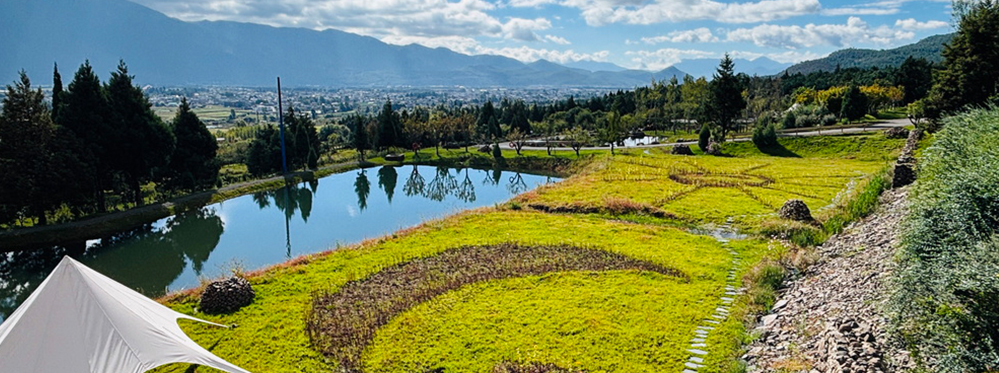
The trail thins out where the snowmelt carves silver veins through limestone, and suddenly you're standing in a basin the maps forgot. No signs, no viewing platforms—just waist-high wildflowers and the distant rumble of a glacier calving into spring.
Locals call it Ganhaizi's quieter sibling, but that name barely sticks. What matters is the way light tumbles through the spruce fringes at dawn, painting the meadow in shades of periwinkle and wet jade. If you sit still long enough, the scent of cold rock and blooming rhododendron becomes something you'll chase for years.
Getting here means abandoning the cable car halfway, following a herder's path that skirts yak pastures before diving into mist. It's not forbidden, just unadvertised—a reward for those willing to trade convenience for the kind of silence that settles into your bones.
The Village of Murals: An Artist’s Quiet Haven
Wandering through this hillside settlement, it doesn’t take long to sense a quiet rhythm far removed from the typical gallery circuit. The paint isn’t confined to studios—it spills across entire building facades, where walls become canvases for dreamlike landscapes and abstract figures. Soft morning light catches the pigment just so, revealing layers and textures that shift as you move. Artists settle here not for prestige, but for the way the silence lets an idea ripen slowly, undisturbed.
Conversations happen more often with a brush than with words. You’ll find painters perched on weathered stools in front of intricate allegories, calm and unhurried. Locals don’t stare—they’ve long grown accustomed to the scent of turpentine mingling with freshly baked bread. Some murals have endured decades, fading gently into the village’s fabric, while new ones emerge, always reflecting the gentle, introspective spirit of the place. It’s an ongoing dialogue between creator and community, free of deadlines or critiques.
This is a haven because it restores something essential: the freedom to create without noise. The murals, in turn, offer the village a voice—a visual diary of seasons, moods, and quiet revelations. Here, art doesn’t shout; it breathes alongside the lavender fields and the slow-moving clouds. For anyone seeking to reconnect with the core impulse of making things, wandering these painted alleys feels like a long, restorative pause in a world that rarely stops moving.
A Lake That Reflects a Vanished Kingdom’s Sky
Still waters hold more than reflections—they cradle the memory of a kingdom long dissolved into legend. On cloudless mornings, the lake surface becomes a perfect mirror, capturing not just the present sky but an echo of the realm that once stood along these shores. Fishermen here speak of a quiet certainty: that the lake has absorbed the final breath of that forgotten place, and now offers it back in shades of silver and blue.
Local elders tell of a courtly city whose towers sprawled where reeds now sway. No stone remains above ground, but the water remembers. When the wind lies down, the inverted image sharpens until you can almost trace the outline of spires in the ripples. It is not imagination alone—archaeologists have found submerged foundations and fragments of carved lintels just beneath the silt, confirming that the lake swallowed the kingdom whole during some ancient deluge.
The light plays tricks that deepen the mood: at dusk, the surface glows with a copper sheen that old stories attribute to the lost king’s crown. You cannot touch it, cannot prove it, but standing at the edge, you feel the weight of succession—the sky of a vanished kingdom still arching above the water, patient and eternal, waiting to be recognized.
Dawn Market Rhythms in the Old Quarter’s Soul
As the first light spills over the worn cobblestones of the Old Quarter, the market doesn't so much wake as exhale into being. Stalls creak open with the rhythm of muscle memory: canopies rustling like stiff linen lungs, crates scraping against stone in a gravelly prelude. The scent of fresh mint and resinous incense threads through the air, tangling with the metallic clink of scales calibrating for the day. Here, time moves less in hours than in the ebb and flow of barter—a quiet negotiation between dawn and duty.
The voices that fill the alleys carry the patina of generations. A tea seller's call cuts through the murmur with a cadence that’s less advertisement than incantation, recounting the mountains where the leaves were plucked. Nearby, the butcher’s cleaver hammers a syncopated beat, each thwack punctuated by laughter from the women deftly sorting knots of ginger and galangal. There’s a deliberate slowness in the transactions, a rhythm that sidesteps the frenetic and instead gathers momentum like a river—steady, patient, and carved into the very stones beneath their feet.
This choreography of commerce has remained unchanged for centuries, yet it holds an improvisational soul. A child chasing a duck between baskets of cinnamon, the sudden chorus of vendors singing along to a forgotten folk tune from a crackling radio—these moments stitch the market into a living tapestry. It’s a rhythm that never merely peddles produce, but constantly hums with the stories and shared breath of those who keep the Old Quarter’s heart quietly, stubbornly, alive.
Silent Echoes in a Mountain Monastery’s Walls
The old monastery clings to the mountainside as if it grew there, its stone walls cool and damp to the touch, carrying the weight of centuries in their silence. Inside, every footstep on the worn flagstones seems to stir not dust but something older—fragments of whispered prayers, the rustle of monastic robes, the faint resonance of chants that have long since faded into the rock. There is a peculiar stillness here, a kind of echo that isn't heard but felt, a presence that lingers even when the last monk has gone and the incense has ceased to rise.
You can trace the grooves in the walls with your fingertips, made smooth by generations of hands brushing past, and in that touch you sense the lives that passed this way: the novices hurrying to morning meditation, the weary pilgrims seeking solace, the solitary scholar bent over a manuscript by candlelight. The mountain monastery breathes through its cracks and crevices, exhaling a history that resists being written, preferring instead to remain as silent echoes trapped in stone. The air itself seems thicker here, laden with unspoken stories that drift through latticed windows and settle in the corners like dust.
Occasionally, a bird calls from a cypress outside, and the sound ricochets off the ancient walls, reminding you that this place is still alive, still listening. The monastery doesn't demand your attention; it simply waits, patient as the mountain, inviting you to add your own quiet presence to its timeless refrain. In that way, every visitor becomes part of the echo, a fleeting note in a symphony of stillness that will outlast us all.
FAQ
Unlike the crowded Old Town, these tucked-away places let you experience local Naxi culture authentically. You can sit by quiet canals, watch artisans work, and hear only the wind and water — no loudspeakers or souvenir stalls.
Head to Baisha village at dawn. The ancient murals glow in the soft light, and cobblestone streets lie empty. You'll see elderly women in traditional blue capes, and small workshops where copper craft has been passed down for generations.
The trail from Wenhai village to the Jade Dragon Snow Mountain base is pure magic. It winds through alpine meadows, rhododendron forests, and yak pastures, with the snow peak reflecting in a highland lake. Very few foreigners know this route.
Yes, Fuguo Temple deep in the Wenbifeng forest is a gem. Once a royal monastery, it's surrounded by centuries-old pines. Monks chant at dusk, and you can join a meditation session without any entrance fee — just bring your own silence.
In Shuhe Old Town, some tea houses host intimate evening sessions. The Dongba scriptures are chanted by local elders, accompanied by ancient instruments like the kouxian. It's not a stage show; it's a family tradition shared over pu-erh tea.
Lashi Lake's western shore is a world apart from the busy east. Rent a bicycle and follow the dirt path through farmland and villages. You'll find a secluded dock where you can watch migratory birds and the distant mountain reflection in complete quiet.
Conclusion
Beyond the crowded lanes of Lijiang's old town lies a quieter world where history whispers instead of shouts. Traces of the Tea Horse Road still etch the hillsides, faint as old scars, and on quiet mornings the wind carries the imagined clink of harness bells. Higher up, where Jade Dragon Snow Mountain's meltwater soaks into a secret meadow, wildflowers speckle the grass and the only sound is water trickling through stone. Here, solitude feels like a gift. A short walk away, a village holds its murals like a family secret—ancient pigments on temple walls, their stories guarded by a lone elderly keeper who sometimes brews tea for the rare wanderer who finds the way.
Further out, a high lake sits ringed by firs, its surface so still that it seems to hold the reflection of a kingdom long vanished. Mist often drapes the shore, and in that hush you might sense the weight of forgotten centuries. Down in the old quarter, before daylight breaks, a local market stirs in the back lanes: elderly vendors lay out wild mushrooms and herbs, their hushed bargaining a ritual as old as the cobblestones. And perched on a misty slope, a stone monastery stands, its walls absorbing the murmured chants and silence alike. Walk through its empty courtyards and you feel the deep quiet of a place where time moves differently. These corners and havens reveal a Lijiang untouched by the guidebook crowds—a place where discovery still belongs to the patient and the curious.
Contact Us
Contact Person: Changhong He
Email: [email protected]
Tel/WhatsApp: 086-0888-5190152
Website: https://vip.e-baixing.com/ysh