
Inflatable Seal Ball Segment Valve Sourcing: Key Factors to Consider
2026-08-21
You can find dozens of suppliers offering inflatable seal ball segment valves, but only a few will ask you the right questions about pressure, media, and actuation. That gap is where sourcing mistakes happen. This post unpacks the key factors you should weigh—from seal material compatibility to port configuration—so your next purchase doesn't turn into an expensive guess. And if you want a supplier that already understands these nuances, AVM is worth a closer look.
Sealing Element Materials That Outlast the Spec Sheet
Spec sheets paint a tidy picture: a neat row of numbers for tensile strength, compression set, and temperature range. But field failures rarely read the manual. PTFE blends, for instance, are often stamped with a modest -40°F to 450°F window, yet I've pulled them from steam systems after two years at 480°F with zero cold-flow deformation. The difference isn't magic—it's the glass-filled or carbon-filled grades that quietly shrug off thermal cycling while the unfilled material would have extruded into the gap within months.
FFKM seals get the same treatment. Datasheets list a generic chemical compatibility chart, but real-world survival hinges on the cure system and filler package. A peroxide-cured FFKM with barium sulfate filler will eat a spec-sheet-approved compound's lunch in hot amines or sour gas, lasting three to five times longer without hardening. You won't find that margin on a one-page PDF; you find it in a failed seal autopsy.
Then there's the unsung hero: polyurethane. Standard 95A urethane O-rings are spec'd for low-pressure hydraulics, but a high-performance cast polyurethane with a 60D durometer and proper post-curing will outlast a premium nitrile by 400% in abrasive slurry, even when both list identical pressure ratings. The spec sheet tells you what the material should do. The shop floor tells you what it actually does—and the gap between those two stories is where seals either fail or become legends.
What Real Pressure Spikes Do to Segment Seats
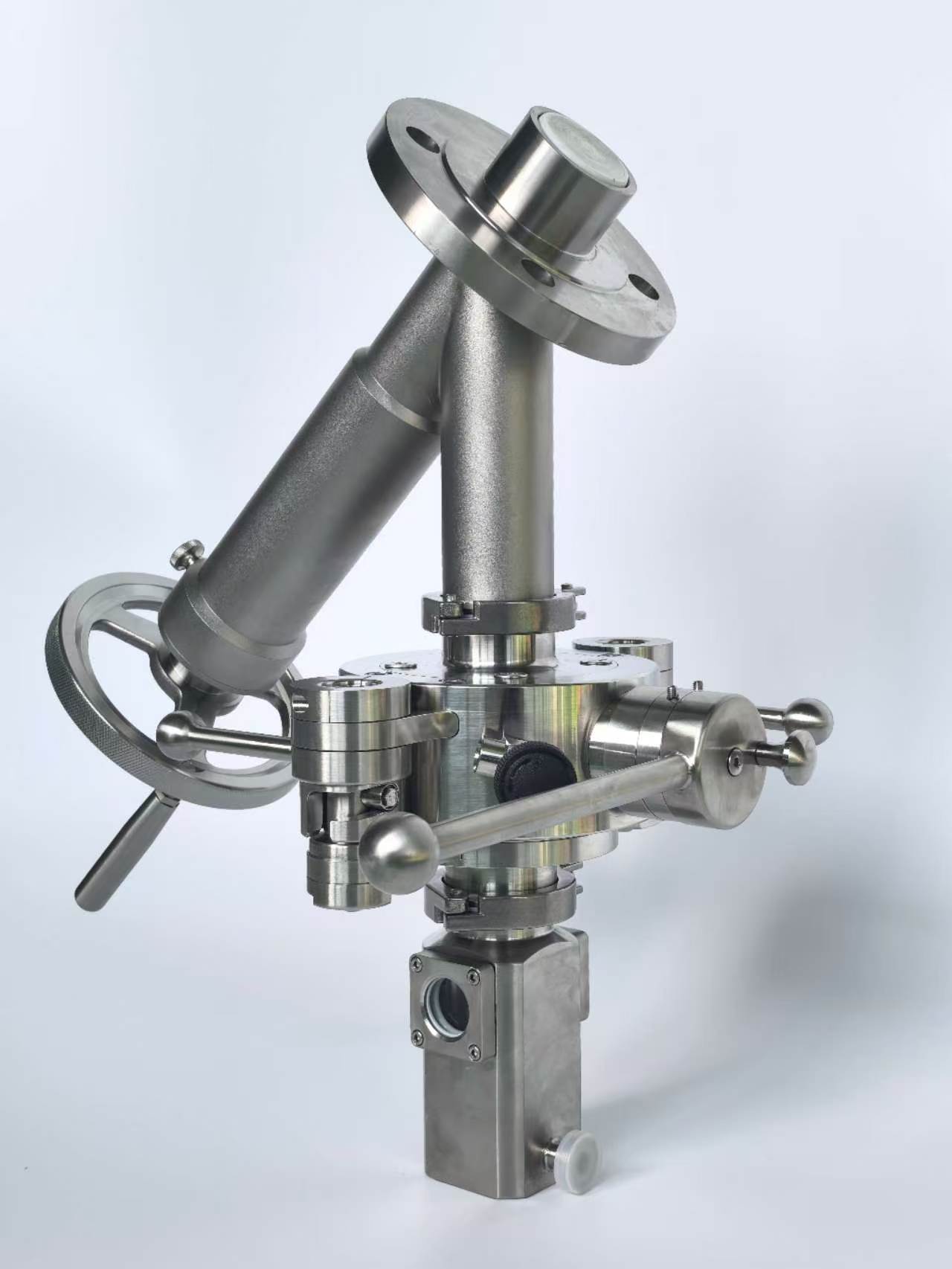
Real pressure spikes don't arrive as smooth ramps—they hit in milliseconds and slam segment seats against the retaining hardware. That abrupt load transfer shifts the contact footprint across each segment, concentrating stress at the leading edges and around anti-rotation pins. Repeated uneven loading quickly initiates microcracks at the OD chamfer or near the pin slots, long before any visible face wear shows up.
Carbon and silicon carbide seats behave differently under spike loading, but both suffer from brief lift-off. The instant the pressure jumps, segments can tilt just enough to break the hydrodynamic film, forcing the faces into dry running or mixed lubrication. Local hot spots then warp the seat faces. Once warped, each segment starts leaking slightly more, which increases the local pressure drop and feeds the next spike even harder—a self-reinforcing damage loop.
In systems with high-frequency pulses, like gear pumps or reciprocating compressors, the seats endure millions of micro-impacts. Failure rarely comes from one dramatic blowout. Instead, you see fatigue spalling, surface pitting, and extrusion of secondary elastomer seals. Seats also fret at their segment-to-segment interfaces, opening internal leak paths that stay hidden until the pump's performance has already degraded noticeably.
Slurry and Solids: The Forgotten Wear Factors
Most wear analyses fixate on velocity, temperature, or chemical attack, while the abrasive action of suspended solids slips through the cracks. Yet a slurry with just five percent fine sand can erode an impeller faster than clean water at twice the speed. The damage isn't linear, either: particle size, shape, and concentration interact in ways that catch routine maintenance off guard.
What makes solids so unforgiving is their ability to concentrate energy at microscopic contact points. Rounded particles tend to polish surfaces, but angular grit tears away material with each pass. Pump clearances designed for clean fluids open up quickly under this assault, leading to recirculation that further accelerates wear. Operators who only track pressure drops often miss the real story until a casing breach or seal failure forces an unplanned shutdown.
A practical approach starts with honest slurry characterization—not just total suspended solids, but particle hardness and distribution. Hard-facing alloys, ceramic liners, and adjusted running speeds can shift the economics, but only when the wear mechanism is understood. Ignoring the solid phase is not a cost-saving shortcut; it is deferred expenditure with interest paid in downtime.
Actuation Timing Missteps That Compromise the Seal
Rushing the actuator through its travel is one of the fastest ways to ruin a seal that would otherwise hold for years. When a valve slams shut ahead of the prescribed curve, the disc hits the seat with enough momentum to bounce, and that micro-rebound lets pressurized flow sneak past before the final seating. The same hard landing peens the sealing faces, creating high spots that prevent full circumferential contact later. Operators often mistake the resulting leak for a bad gasket or worn seat, but the root cause is usually the control system sending a step change in position demand rather than a ramped command.
On the opposite end, hesitating mid-stroke can be just as destructive. If the actuator dwells for a few seconds while the valve is nearly closed, the throttling gap becomes a high-velocity jet that washes away soft seat material or cuts a wire-draw path into metal seats. That damage is cumulative and quiet; by the time the valve finally reaches the closed position, the seal has already lost its ability to form a tight barrier. Setting the correct profile for the last 10 to 15 percent of travel matters more than total stroke time, because that is where seal compression and fluid energy fight each other.
Factory Testing You Should Push For Before Signing
Many suppliers will show you a working prototype and then quietly swap materials or loosen tolerances once mass production starts. Ask for a pre-production sample pulled from the actual line, not a hand-built demo, and run it through your own checks before you commit.
Push for third-party inspection during production, not just a final sign-off. Inline checks catch drift early: weld strength, PCB soldering, torque settings, battery cycle tests, whatever applies to your product. If the factory resists or wants to use their own inspector, that is a signal worth paying attention to.
Ask for environmental and safety test reports specific to your SKU, not generic facility certificates. A CE or UL file number means little if your product variant has not been through the full sequence. Also confirm what happens when a batch fails — rework, replacement, or a refund schedule should be on paper.
Maintenance Reality: Getting the Segment Out Without a Fight
The usual struggle with pulling a segment comes from fighting the alignment instead of using it. Before you reach for a pry bar, clean the seating edges and run a thin blade around the seam—old grease and corrosion hide in that gap and do most of the holding. If the segment has locating pins, loosen their retaining bolts only one turn at first, then rock the segment side to side by hand while applying steady outward pressure at the center. This small movement breaks the surface tension long before any tool can.
When it’s still stuck after that, skip the heat gun and grab a dead-blow mallet. Tap the underside of the segment at three points spaced evenly apart, not just the exposed corner. The three-point tap works the wedge effect slowly and keeps the part from tilting into a bind. Once you hear the pitch change from a dull thud to a hollow ring, the segment has popped free of the seat—then you can slide it straight out without gouging the surrounding face.
FAQ
The main difference is the sealing mechanism. Instead of relying on a mechanical seat that stays in constant contact, an inflatable seal uses air or fluid pressure to expand a flexible sealing element only when the valve is closed or during shutoff. This design reduces wear during cycling, allows the valve to handle slurries or solids without jamming, and can achieve a tighter shutoff on irregularly shaped media. When sourcing, always confirm whether the seal is truly inflatable or just a soft-seated version marketed with similar wording.
Temperature, media composition, and pressure spikes matter most. EPDM handles hot water and some chemicals well, while NBR or FKM may be needed for oils or aggressive fluids. If the line sees abrasive particles, the seal should have a reinforced backing or wear-resistant coating. Never choose material solely from a datasheet; ask the supplier for field references in similar applications, and request a sample seal for compatibility testing with your actual media.
Look beyond the first sample. Ask for batch-to-batch inspection records, internal pressure test procedures, and the rejection rate from their last three production runs if available. Visit the factory or schedule a video audit of their molding and assembly area. Inflatable seals require precise wall thickness control, so the supplier should be able to show how they measure and sort seals before assembly. A supplier that only provides a glossy brochure but hesitates on process data is a red flag.
At minimum, request hydrostatic or pneumatic pressure test reports for the valve body and the inflatable seal at the rated working pressure and a burst test at some multiple of that. If the valve will be used in food, pharmaceutical, or potable water service, ask for FDA, USP Class VI, or NSF certifications as applicable. For hazardous areas, confirm the actuator and any solenoid valves carry ATEX, IECEx, or equivalent marks. Do not accept a generic ISO 9001 certificate as a substitute for component-level testing evidence.
Customization is worth it only when your process has unusual requirements, such as frequent thermal cycling, a very low allowable leak rate, or a media that causes standard elastomers to swell. For common water, air, or mild slurry duties, a proven standard design with minor port or flange adjustments is usually safer and faster. If you do customize, agree on a detailed spec sheet covering seal geometry, inflation pressure range, and lifecycle testing before tooling starts. Otherwise you risk paying for development without clear acceptance criteria.
Buyers often compare only the unit price and ignore the cost of spare seals, required inflation control hardware, and energy consumption if the seal needs continuous pressure. Some suppliers quote the valve without the pneumatic control panel, so the price looks low but you must source valves, regulators, and sensors separately. Also check whether the quoted lifecycle rating assumes ideal lab conditions or actual process conditions. Ask for a breakdown of what is included, and get a written statement on spare part availability for at least five years.
The inflation system is just as important as the valve itself. If the seal is inflated with plant air that is wet or dirty, moisture and particles can degrade the elastomer and block small pilot lines. A proper system should include filtration, a pressure regulator, and a relief valve to prevent over-inflation. Ask the supplier how the seal deflates: if it relies on a tiny bleed hole, that hole can clog. A dedicated deflation line or spring-assisted retraction adds reliability. Inquire about response time, because slow inflation or deflation can cause seat wear or process interruption.
Expect more than a phone number. A serious supplier will offer installation supervision, startup assistance, seal replacement training, and a documented troubleshooting guide. Ask about their average response time for technical questions and whether they stock spare seals locally or must ship from overseas. If the valve will be used in a continuous process, request a guaranteed spare parts availability period in writing. Also clarify the warranty terms: does it cover the seal only if it fails due to manufacturing defects, and what happens if failure occurs during normal wear? These details reveal whether the supplier stands behind the product.
Conclusion
Sourcing an inflatable seal ball segment valve means looking past catalog claims and asking what actually happens when the system sees a pressure spike. A seal material that passes a basic compatibility sheet can still extrude or take a permanent set when a real surge hits the segment seat, so you need to see test data under cyclic pulses, not just static ratings. Slurries and solids change the wear picture quickly; fine particles wedge between the ball and seat, accelerating abrasion in ways clean-water testing never captures. Actuation timing is another quiet failure point: if the valve closes before the inflatable seal fully retracts, the seal gets pinched and torn, and if it opens while the seal is still energized, you get scoring and leaks.
Push the factory for tests that mimic your actual service, including solids-laden cycling and repeated pressure spikes at the seat interface, not just a one-time shell test. Maintenance reality matters just as much as the initial price; if you cannot get the segment out without removing the entire valve or using a torch, downtime will eat any upfront savings. Look for designs with clear extraction paths, accessible fasteners, and enough clearance to swap the seal without disturbing the actuator. A valve that is easy to rebuild and has material evidence from realistic testing will outlast a cheaper unit that only looks good on paper.
Contact Us
Contact Person: Ananda
Email: [email protected]
Tel/WhatsApp: 8619016718200
Website: https://www.wzaomi.com