
How a Reliable Energy-Saving Air Compressor Can Cut Costs and Boost Efficiency
2026-07-21
Rising energy costs and unplanned downtime can quietly erode your bottom line. What if a single upgrade could attack both problems at once? A reliable energy-saving air compressor does exactly that—slashing power consumption while maintaining peak performance. At Seize Air, we’ve seen how the right compressor transforms operations, turning a necessary utility into a strategic advantage. But what makes these systems so effective, and how do you separate real innovation from marketing hype? Let’s uncover the practical steps to cut costs and unlock hidden efficiency.
The Silent Money Drain: Why Older Air Compressors Cost More to Run
An aging air compressor doesn't just look worn—it’s quietly siphoning money from your operation every single day. Internal components like valves, seals, and bearings degrade over time, forcing the motor to work harder just to maintain the same output. That extra effort translates directly into higher electricity consumption, often without any obvious signs until the monthly bill arrives. Many operators don't realize that even a seemingly functional older unit can consume 20-30% more energy than a modern, well-maintained replacement.
Beyond the electricity drain, maintenance costs tend to climb steeply as compressors age. Parts become harder to find, and repairs grow more frequent, turning what used to be routine service into a series of costly emergencies. Leaks—both internal and external—become more common, silently bleeding compressed air and forcing the system to cycle on more often, which accelerates wear on the motor and other critical parts. This creates a vicious cycle where inefficiency feeds more inefficiency.
The hidden expenses don’t stop at energy and repairs. Older compressors often lack the advanced controls and variable-speed technology found in newer models, meaning they run at full capacity regardless of the actual demand. This brute-force approach wastes enormous amounts of energy during periods of low air usage. Additionally, neglected heat recovery potential and outdated filtration can affect downstream equipment, leading to quality issues or even production downtime that far outweighs the cost of an upgrade.
Efficiency Without Compromise: Maximizing Output While Minimizing Energy
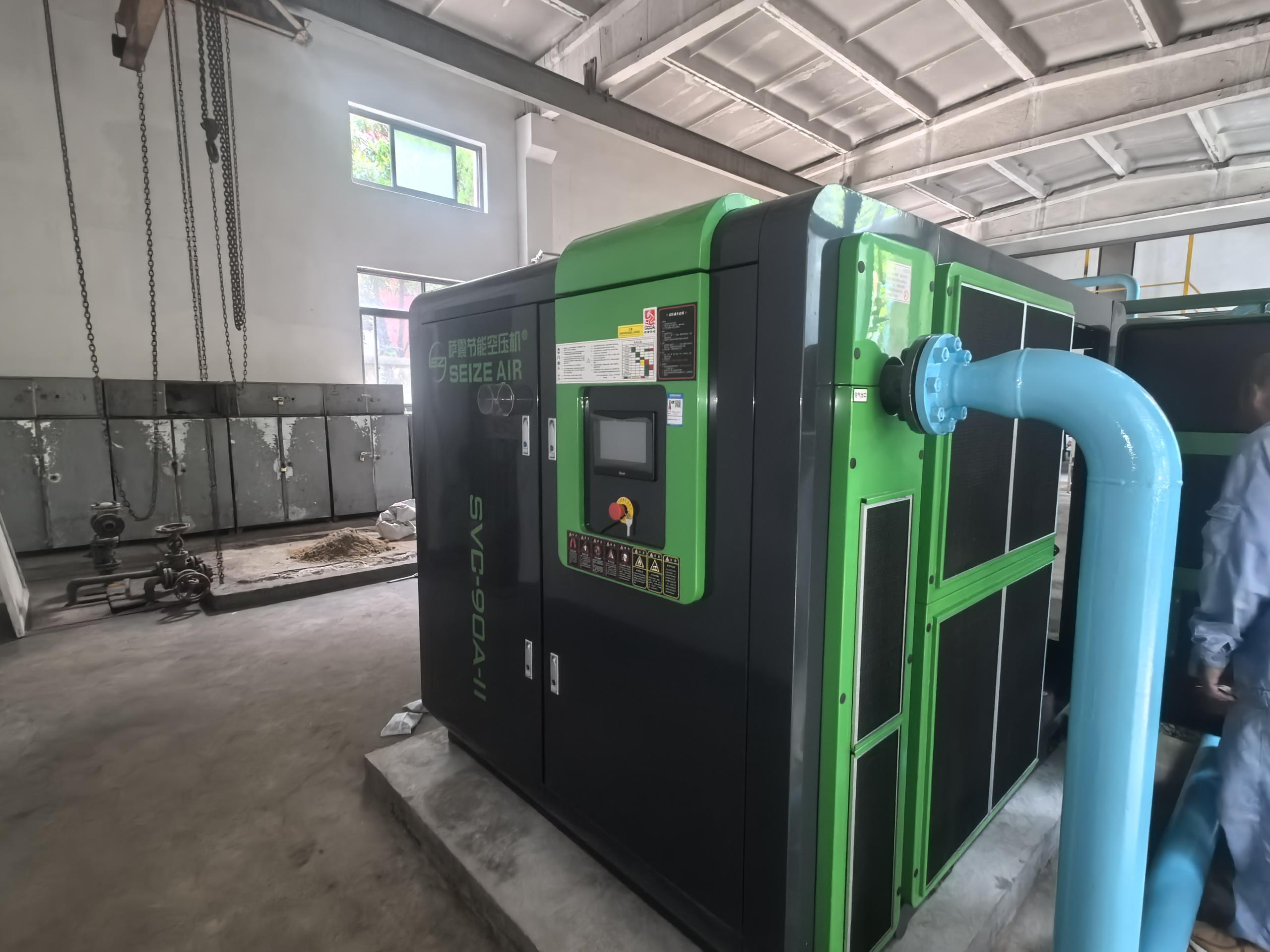
Modern operations often face a false choice between high performance and low energy use. The reality is more nuanced: with thoughtful design, you can push output to new heights while actually drawing less power. This isn't about simply turning down the dials; it's about rethinking processes from the ground up. By focusing on system-level optimization rather than isolated tweaks, organizations can uncover hidden reserves where energy waste and productivity drag coexist, and eliminate both in a single stroke.
Practical examples abound in manufacturing, where variable-speed drives replace throttled motors, or in data centers where liquid cooling allows denser server packing without the AC overload. The key lies in treating energy as a raw material that must be precisely metered and targeted. When every joule is accounted for and directed only where needed, output metrics rise naturally—fewer stops, less downtime, and faster cycle times emerge not from pushing harder, but from removing friction points that also happen to be energy hogs.
The cultural shift is just as vital. Teams trained to spot energy inefficiencies often end up uncovering process bottlenecks that were overlooked for years. A pump running at full tilt to compensate for a badly sized valve is both a power drain and a reliability risk. Encouraging cross-functional collaboration between energy managers and line supervisors turns what could be a cost-cutting chore into a continuous improvement engine. The result is a workplace where efficiency and output reinforce each other, proving that you don't have to sacrifice one for the other.
Unshakable Reliability: Designing for Continuous, Low-Cost Operation
True reliability isn't about adding layers of backup systems—it's about simplifying the core design so there's less to break. We focus on minimal, robust architectures that use proven components and avoid unnecessary complexity. This means fewer points of failure, lower maintenance overhead, and a system that just keeps running, even in harsh conditions. By stripping away the excess, we create equipment that delivers unwavering performance without demanding constant attention.
The financial side of reliability is often overlooked. Every unplanned shutdown or repair call chips away at profitability, especially in remote or high-volume operations. Our approach targets a reduction in total cost of ownership by extending service intervals and making routine maintenance straightforward. When components are easy to access and replace, downtime shrinks, and on-site teams can handle issues without specialized training. The result is an operation that hums along quietly, turning out output year after year with minimal wallet impact.
We prioritize designing out the common failure modes before they can appear. That means rigorous testing under real-world loads, selecting materials that withstand corrosion and wear, and engineering control systems that adapt gracefully to changing conditions. Instead of over-engineering for every possible scenario, we build in just enough resilience to handle typical stress, while keeping the system lean enough to remain cost-effective. This philosophy yields a machine that isn't just sturdy on paper, but proves itself over decades of regular use.
Energy Savings That Pay Off: From Reduced Bills to Bigger Profits
When overhead costs climb, energy often feels like a fixed expense—something you just pay without question. But the businesses that treat power consumption as a variable cost to be actively managed discover a margin booster hiding in plain sight. Simple adjustments like upgrading to LED lighting, optimizing HVAC schedules, or fixing compressed air leaks don't just trim monthly bills; they convert wasted watts directly into operating income. The math is straightforward: every dollar saved on energy drops straight to the bottom line, giving small and mid-sized enterprises a competitive edge without the need to raise prices or chase new sales.
Beyond the immediate utility savings, there's a compounding effect that reshapes profitability over time. Equipment that runs efficiently tends to last longer, cutting capital replacement costs. Employee comfort improves in spaces with better temperature control and lighting quality, which can lift productivity. And in markets where margins are razor-thin, the cash freed up from energy optimization can fund growth initiatives—new hires, R&D, or marketing—turning a cost-center into a strategic asset. It's a quiet transformation from simply paying less each month to fundamentally shifting how capital is allocated.
The most overlooked aspect is the signal it sends to stakeholders. Investors, partners, and customers increasingly value operational discipline. A company that sweats the small stuff—like kilowatt-hours and peak demand charges—demonstrates a mindset of efficiency that often permeates everything from procurement to customer service. That cultural shift, sparked by something as unglamorous as a smarter thermostat, can be the difference between a business that survives and one that thrives when market conditions tighten.
Custom Fit: How the Right Compressor Transforms Your Workflow
The compressor isn't just another piece of gear—it's the heartbeat of your production rhythm. When it aligns with your workflow, the difference is immediate: decisions become instinctive, not forced. You stop wrestling with parameters and start shaping sound the way you hear it in your head. That translates to faster sessions and a signal path that feels like an extension of your own hands, not a roadblock.
Off-the-shelf units often force you into a one-size-fits-all approach, but a custom compressor changes the equation. It's built around how you work—your gain staging habits, your compression style, even the way you navigate a control surface. This isn't about adding more knobs; it's about removing friction. When the response curve matches your intuition, you spend less time tweaking and more time connecting with the music.
The real transformation happens in the details: a threshold that hits right where your vocalist leans in, a release time that breathes with your bass line, a sidechain filter tailored to your mix bus. These aren't luxuries—they're the subtle adjustments that keep your flow intact. With the right fit, the compressor fades into the background and your creative voice takes center stage. That's when workflow stops being a chore and becomes pure momentum.
Long-Term Gains: The Multiplier Effect of Smart Compressor Investment
When a facility chooses an intelligent compressor system, the upfront cost often sparks debate among decision-makers. However, the real story unfolds over years, not quarters. Smart compressors dynamically adjust output to match real-time demand, slashing energy consumption by up to 35% compared to fixed-speed units. This efficiency isn't a one-time win—it compounds annually through lower utility bills, reduced carbon taxes, and minimized wear on components. The initial premium fades quickly when you tally avoided downtime and extended service intervals. Over a decade, those savings often total three to five times the original investment, freeing capital for other strategic upgrades.
Beyond direct energy savings, the ripple effects reshape operational budgets in subtle but powerful ways. Remote diagnostics and predictive analytics catch issues before they escalate, preventing catastrophic failures that could idle production lines. Maintenance shifts from reactive firefighting to planned, budget-friendly check-ups. Meanwhile, intelligent load management extends the lifespan of the entire air system, from dryers to filters and piping. When one smart compressor integrates seamlessly with existing infrastructure, it often reveals inefficiencies elsewhere, triggering a chain reaction of optimizations. These ancillary benefits rarely appear in the purchase order, yet they compound the total return significantly.
The multiplier really shows its strength during peak demand or expansion phases. Instead of installing additional units to cope with spikes, a well-designed smart compressor bank uses stored data and adaptive sequencing to cover surges without new hardware. This agility means facilities can grow output without proportional increases in energy or capital expenditure. Over the lifetime of the equipment, the avoided cost of extra capacity alone can match the initial outlay. It’s not just a compressor—it’s a long-term strategy that keeps paying dividends as electricity rates climb and sustainability targets tighten.
FAQ
An energy-saving air compressor typically uses variable speed drive (VSD) technology, which adjusts motor speed to match air demand, reducing energy waste. Efficient components, like low-pressure-drop air filters and optimized cooling systems, also contribute to lower power consumption.
A reliable unit minimizes downtime and repair expenses. By ensuring consistent performance with fewer breakdowns, it avoids costly production halts and emergency service calls. Energy-efficient operation further lowers electricity bills, directly cutting operational costs.
Absolutely. By maintaining stable air pressure and reducing energy surges, it allows pneumatic tools and machinery to run optimally. This consistency prevents production bottlenecks and improves overall workflow, leading to higher output with less energy.
Look for a VSD motor, high-efficiency airend, intelligent control system, and robust heat recovery options. Also, consider low noise levels and durable construction, as these indicate reliable, long-term performance with minimal energy waste.
Regular maintenance, like timely filter replacements and leak checks, ensures the compressor runs at peak efficiency. Ignoring maintenance can lead to increased energy use and unexpected failures, negating the benefits of an energy-saving design.
Yes, even for small operations, the energy savings can be significant. Over time, the reduced electricity costs offset the initial investment. Plus, reliable operation means less disruption, which is crucial for small businesses where every minute of downtime counts.
Many energy-saving compressors can recover waste heat from the compression process and redirect it for space heating or water preheating. This captures lost energy, further slashing overall facility energy expenses and improving total system efficiency.
Signs include frequent cycling on and off, overheated airend, rising energy bills without increased production, and inconsistent pressure. If you notice these, it might be time to consider upgrading to an energy-saving model to cut costs.
Conclusion
Older air compressors might keep running, but they quietly drain money through excessive energy use and frequent, costly repairs. A modern, energy-efficient unit tackles this head-on by blending smart engineering with robust design. It delivers the same—or higher—output while drawing less power, trimming electricity bills without sacrificing performance. Built to handle continuous operation, these compressors minimize unexpected downtime and the maintenance headaches that eat into budgets, keeping operations smooth and predictable.
The financial gains go beyond lower utility payments. When a compressor is matched precisely to a facility's workflow, it eliminates wasteful idle time and pressure drops, fine-tuning the entire production line. This tailored approach amplifies savings, turning reduced energy costs into fatter profit margins. Over time, the multiplier effect of a reliable, efficient system strengthens—less strain on components extends service life, and consistent performance supports higher productivity. It's an investment that keeps paying back, year after year, in both dollars saved and output gained.
Contact Us
Contact Person: Mia
Email: [email protected]
Tel/WhatsApp: +86 19821985894
Website: https://www.seize-air.com