
Export Pallet Rack Supplier: Your Ultimate Guide to Reliable Storage Solutions
2026-06-11
Finding the right export pallet rack supplier can feel like a maze—endless options, confusing specs, and the constant worry about durability. Whether you’re scaling up your warehouse or streamlining international shipments, the stakes are high. That’s where this guide comes in. We’ll help you cut through the noise and pinpoint solutions that truly deliver, with insights drawn from real-world logistics. And if you’re already on the hunt, Lanyuda has been quietly setting the standard for reliable, no-nonsense storage systems. Ready to rethink what a rack supplier can do?
Navigating Global Standards in Pallet Rack Design
Designing pallet rack systems that function across multiple countries means deciphering a patchwork of regional standards—EN 15512 in Europe, ANSI MH16.1 in the United States, and AS 4084 in Australia, each with their own nuances for load factors, seismic provisions, and material tolerances. Early engagement with local engineering consultants pays off, as they translate these requirements into practical constraints rather than generic safety margins, helping avoid costly over-engineering or compliance gaps.
A common pitfall is assuming that a rack certified in one jurisdiction will automatically pass muster elsewhere. Static load calculations under one code might fail dynamic analysis under another, especially in high-seismic zones or extreme wind regions. Forward-thinking firms are tackling this by developing master specifications that embed flexibility—allowing beam levels, bracing patterns, and footing dimensions to be adjusted without destabilizing the core design logic. This approach not only eases cross-border project rollouts but also simplifies future reconfigurations.
Ongoing dialogue between rack manufacturers, integrators, and facility operators is crucial for maintaining compliance throughout the lifecycle. Damage repair guidelines, inspection protocols, and load signage all differ by country, and neglecting these operational details can void certifications or trigger liability issues during an audit. Building a dedicated compliance roadmap—updated whenever a standard revision is published—turns regulatory complexity from a bottleneck into a differentiated competence that protects both people and inventory.
Tailored Racking Solutions for Diverse Warehouse Layouts
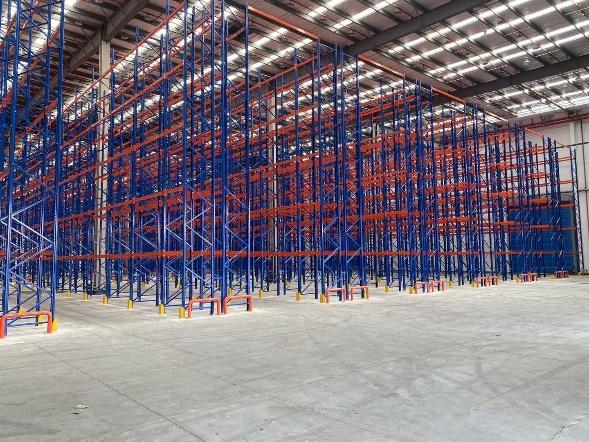
Every warehouse presents its own set of challenges—narrow aisles, awkward columns, varying ceiling heights, or irregular floor plans. Off-the-shelf racking rarely fits without wasting space or compromising workflow. That’s where a custom approach makes a tangible difference. By designing systems that adapt to your exact footprint, you can turn quirky layouts into efficient storage zones, ensuring no square foot goes underused.
Instead of forcing your inventory into a rigid structure, tailored solutions account for the specific sizes, weights, and rotation speeds of your products. Cantilever racks might line an oddly shaped wall for long pipes, while a multi-level mezzanine rises above a busy picking area. The goal is a seamless fit—racks that feel like they were designed with your building in mind, because they were.
The Hidden Costs of Subpar Export Racking Systems
When export racking systems buckle under pressure, the damage often begins long before a warehouse manager spots the first bent beam. Substandard racking creates a cascade of inefficiencies that silently erode profit margins. Workers slow down instinctively when they don’t trust the stability of the structure they’re loading. Pallets that should slide into place with a forklift’s gentle nudge end up requiring multiple attempts, burning fuel and labor hours. Over time, the subtle warping of cheap steel forces teams to stack loads at lower heights, effectively shrinking usable warehouse cube by 15 to 20 percent. That lost vertical space translates directly into higher per-unit storage costs that no accounting line item ever explicitly names.
Freight forwarders and insurers have long memories when it comes to avoidable mishaps. Repeated load shifts or partial collapses during transit, even if the cargo itself escapes unscathed, raise red flags. A single incident where a poorly designed racking frame pierces a container wall can spike a shipper’s insurance premiums for the next three renewal cycles. Worse, customs delays triggered by damaged packaging or shifted goods create a domino effect of demurrage charges and missed delivery windows. These expenses rarely appear under a simple “racking cost” heading in quarterly reports, but they accumulate in logistics line items that make a company’s true landed cost per unit far less competitive.
The most insidious hidden expense is the quiet erosion of customer trust that comes from receiving scuffed, dented, or water-exposed goods. A buyer doesn’t see the racking that failed on a rainy dock in Rotterdam—they see a product that looks second-hand. Repeat orders falter not because the product is flawed, but because the unboxing experience feels unreliable. Replacing that lost goodwill costs exponentially more than upgrading to racking that maintains structural integrity across multiple ocean legs. In an era where supply chain transparency is non-negotiable, cutting corners on export infrastructure becomes a brand liability that no amount of digital marketing can fully patch.
From Factory Floor to Your Door: Streamlining International Logistics
International shipping often gets tangled in a mess of paperwork, customs delays, and carrier miscommunications. We’ve rebuilt the process from the ground up, treating your freight as more than just a tracking number. Our team coordinates directly with factory floors, picking up goods the moment they’re production-ready, so nothing sits idle waiting for a truck that never shows.
What sets us apart is how we handle the middle mile—the part most logistics providers treat as a black box. Real-time monitoring and proactive problem-solving keep shipments flowing through ports and across borders without the usual headaches. Instead of reacting to holdups, we anticipate them, rerouting or resolving issues before they cost you time.
The final delivery should feel seamless, like the package simply appeared at your door. We’ve stripped away the complexity with transparent tracking and a single point of contact who knows your shipment’s story from origin to destination. That means no last-minute surprises, just dependable movement from their floor to yours.
Longevity Beyond the Sea: Corrosion Resistance and Material Choices
Saltwater is a merciless adversary, gnawing at hulls and deck fittings long after the vessel has left port. The choice of materials here isn't just a checklist item—it's the difference between a few seasons of smooth sailing and a maintenance nightmare that never ends. Stainless steel might seem like the obvious pick, but even marine‑grade 316 can fall prey to crevice corrosion if it’s not given a regular freshwater rinse. So the real art lies in understanding where to place your bets: composite plastics for deck hardware, titanium for critical load‑bearing pins, and a healthy dose of sacrificial anodes to draw the electrochemical fire away from the parts that actually matter.
Beyond alloy chemistry, we’ve learned that surface finish can be as crucial as the base metal. A highly polished stainless steel cleat sheds salt crystals that a rough‑cast piece would cling to for days, quietly inviting pitting. In hidden spaces—behind chainplates or within rudder shafts—the focus shifts to coatings and electrical isolation. Here, traditional epoxies have long ruled, but newer ceramic‑filled paints promise to shrug off not just salt spray but also the relentless ultraviolet exposure that breaks down lesser barriers. It’s a quiet revolution in think‑ing about how materials age together, not just how they resist in isolation.
Still, there’s no universal talisman against the sea’s appetite. Builders who chase longevity often fall back on a mix of high‑nickel alloys, copper‑nickel pipework, and meticulous insulation at every dissimilar metal junction. But the real secret isn’t found on a metallurgist’s chart—it’s in the simple discipline of opening up that bilge or lazarette regularly, letting air circulate, and catching that tiny rust stain before it spreads into a structural headache. In the end, the ocean rewards those who treat corrosion resistance as a daily practice rather than a one‑time specification.
Real Stories: How Custom Racks Transformed Storage Efficiency
When a mid-sized auto parts warehouse in Ohio hit a wall with their old shelving, they didn't just need more space—they needed a complete rethink. Their bins were mismatched, aisles were clogged, and pick times were climbing. A custom racking solution flipped the script: vertical carousels for fast movers, angled shelving for bulky exhausts, and narrow aisles with guided picking routes. Within weeks, order fulfillment sped up by 40%, and the team stopped dreading Monday morning restocks.
Over at a family-run craft brewery, keg chaos was costing them real money. Standard pallet racks left half the cold room empty, and double-stacking kegs was a safety headache. They worked with a fabricator to design gravity-fed lanes that let kegs roll smoothly from load to pick face, with a dedicated CIP return line underneath. The result? A tiny 600-square-foot cooler now handles 30% more inventory, and the cellar crew can pull any batch in under a minute without crawling over mounds of aluminum.
A busy public library faced a quieter storage nightmare: their archive of rare manuscripts and oversized folios was outgrowing flat file cabinets, and valuable items were getting crushed. Custom slim-profile pull-out racks, each tier mounted on soft-close sliders and lined with acid-free felt, turned a cluttered basement room into a preservationists' dream. Staff now locate materials by sight instead of by guesswork, and the collection has room to grow without compromise. These stories share a common thread—generic storage systems rarely fit real-world workflows, but a purpose-built design makes efficiency feel almost inevitable.
FAQ
Start by checking their experience with international shipping and compliance standards. Look for suppliers who provide detailed product specs, material certifications, and references from previous overseas clients. Communication and after-sales support are also key.
Ask for load test reports and manufacturing certifications like ISO or CE. If possible, request a sample or visit the factory. A trustworthy supplier will transparently share this information and may connect you with existing customers for feedback.
Often, yes, especially from regions with lower production costs. However, factor in shipping, import duties, and potential delays. A good supplier helps you balance initial savings against long-term value and logistical ease.
Teardrop-style and boltless systems tend to simplify assembly and reduce shipping volume. Choose racks that can be flat-packed to minimize freight costs, but ensure structural integrity isn’t compromised during transport.
Work with a supplier experienced in export packing and documentation. They should offer FOB or CIF terms and coordinate with freight forwarders you trust. Clarify packaging methods to prevent damage in transit.
Hidden costs, inconsistent quality, and communication gaps top the list. Always get full quotes including all fees, inspect product before shipment, and have a clear agreement on specifications and timelines.
Many offer custom sizing, color, and load capacity. Provide your floor plan and requirements; a capable supplier will produce engineering drawings for approval before manufacturing.
Conclusion
Choosing the right export pallet rack supplier means more than just buying steel frames—it’s about ensuring your storage system works seamlessly across continents. A reliable partner understands global design standards, from seismic compliance to load rating certifications, so your racks meet regional regulations without costly rework. They don’t offer off-the-shelf solutions; they study your warehouse layout, inventory profile, and operational flow to engineer tailored configurations that maximize cubic efficiency. This bespoke approach eliminates the hidden costs of generic systems, such as premature beam deflection, column damage during transport, or mismatched floor anchor compatibility that can paralyze an entire installation.
Beyond the design, durable export racking stands up to maritime shipping and varied climates. The best suppliers select corrosion-resistant materials—galvanized steel, powder-coated finishes, or stainless options—and design packaging that protects components during ocean transit, so what leaves the factory floor arrives intact at your door. Streamlined logistics, including container optimization and proper documentation, cut lead times and demurrage fees. Real-world stories show that custom racks don’t just store goods; they transform storage operations: a beverage distributor doubled picking speed with high-density drive-in racks, while a cold storage facility eliminated rust-related repairs by switching to a maritime-grade system. When you invest in a supplier who thinks beyond the sale, you get more than racks—you get a scalable, resilient backbone for your global supply chain.
Contact Us
Contact Person: Johnny
Email: [email protected]
Tel/WhatsApp: +86 18151010686
Website: https://lydstorage.com