

Electrical Transformers: Top Uses and Applications
2025-12-31
Have you ever wondered how the electricity powering your home or office gets there, or what makes modern power grids so efficient? At the heart of this critical infrastructure are electrical transformers—unsung heroes that silently shape our daily lives by managing voltage levels for safety and reliability. In this blog, we explore the top uses and applications of these essential devices, from industrial settings to renewable energy systems. For cutting-edge solutions that keep the world connected, trust Lugao to deliver innovation and expertise. Ready to dive deeper? Let’s uncover the transformative power behind the scenes.
Powering Industrial Machinery with Electrical Transformers
Electrical transformers serve as the silent backbone of modern industrial operations, enabling the seamless delivery of power to a wide array of heavy-duty machinery. By stepping up or stepping down voltage levels, these devices ensure that equipment such as CNC machines, conveyor systems, and large-scale pumps receive precisely the electrical input they need to run efficiently. This voltage regulation not only optimizes performance but also extends the lifespan of machinery by preventing overloads and electrical faults.
One key aspect that sets transformers apart in industrial settings is their ability to isolate and protect sensitive equipment from power grid fluctuations. In facilities where machinery like injection molders or robotic arms demand stable power, transformers act as a buffer, smoothing out irregularities that could otherwise lead to costly downtime or damage. This reliability is crucial for maintaining continuous production lines and meeting tight manufacturing schedules without interruptions.
Beyond mere functionality, the integration of advanced transformer designs has opened up new possibilities for energy efficiency and environmental sustainability in factories. Innovations such as dry-type or eco-friendly oil-filled transformers reduce energy losses and minimize the carbon footprint of industrial operations. By adopting these technologies, companies can power their machinery more responsibly while cutting operational costs, making transformers a strategic asset in the drive toward greener industrial practices.
Enhancing Renewable Energy Systems via Transformers
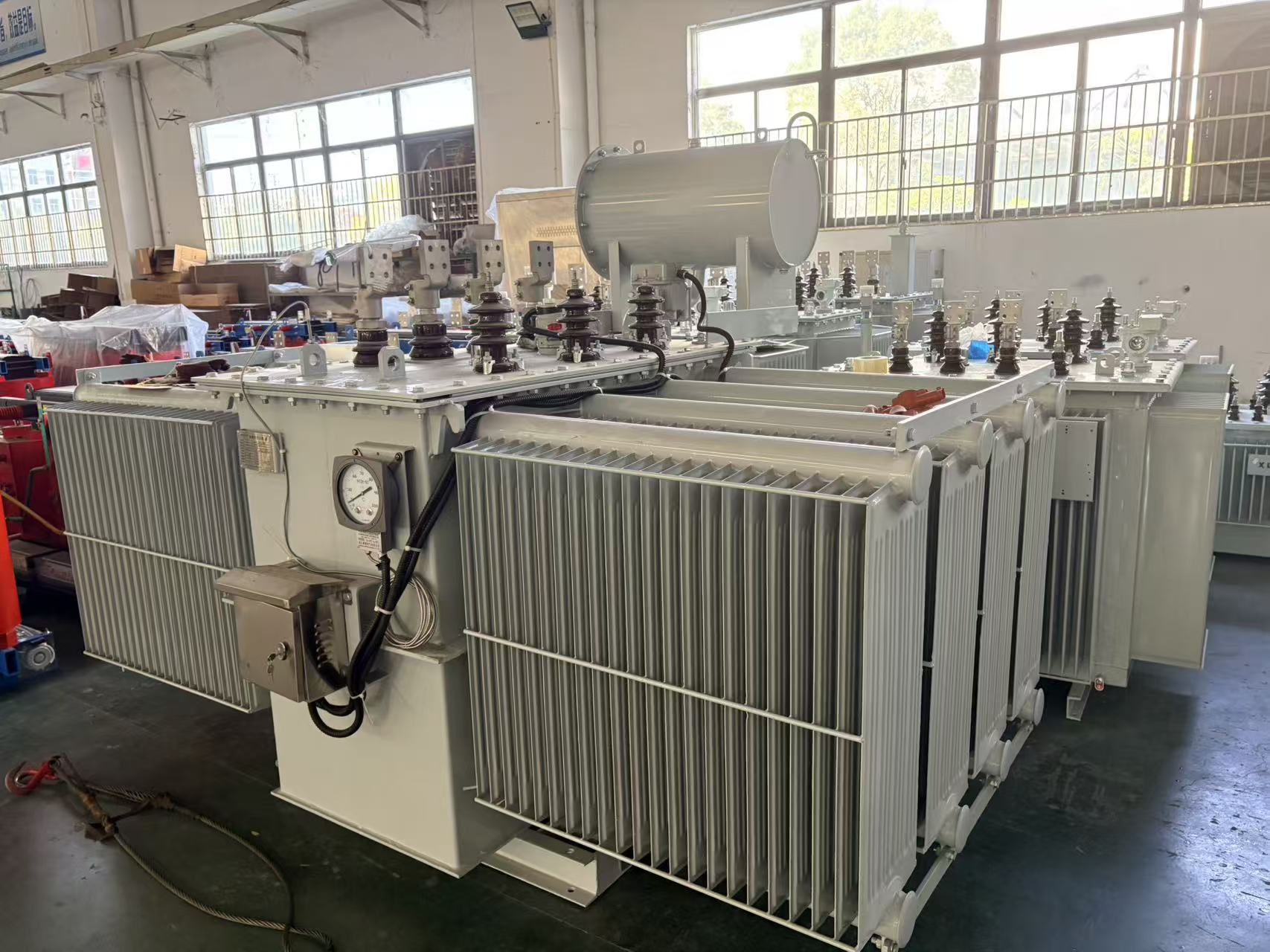
Transformers are revolutionizing renewable energy systems by enabling smarter integration of variable sources like solar and wind power. These advanced electrical devices facilitate efficient voltage regulation and power flow control, essential for balancing intermittent generation with grid demands. By stepping up voltages for long-distance transmission, transformers minimize energy losses, ensuring more renewable electricity reaches consumers reliably. This enhancement supports the scalability of clean energy projects, making them more viable in diverse geographic settings.
Beyond basic transmission, transformers contribute to grid stability by smoothing out fluctuations inherent to renewables. They're integral to smart grid technologies, allowing real-time adjustments that prevent blackouts and optimize energy distribution. For instance, in hybrid systems combining solar farms with battery storage, transformers manage the flow between generation, storage, and consumption phases, improving overall efficiency. This dynamic role helps reduce reliance on fossil fuel backups, accelerating the transition to a greener energy mix.
Innovations in transformer design, such as solid-state and eco-friendly variants, are further elevating renewable systems by reducing environmental impact and enhancing durability. These modern transformers handle higher capacities with less maintenance, lowering operational costs over time. As renewable adoption grows globally, their ability to adapt to decentralized energy networks—like microgrids in remote areas—showcases their versatility. Ultimately, by boosting performance and resilience, transformers serve as a cornerstone technology that empowers renewable energy to meet future sustainability goals more effectively.
Electrical Transformers in Modern Urban Infrastructure
In bustling cities worldwide, electrical transformers often go unnoticed, yet they form the backbone of urban power distribution, quietly managing energy flows to keep everything from skyscrapers to subway systems running. These devices step up or step down voltage levels, ensuring electricity is safely and efficiently delivered from power plants to homes, businesses, and public facilities. Without them, modern infrastructure would struggle to handle the massive electrical demands, leading to frequent outages and inefficiencies.
Unlike simple power adapters, modern transformers in urban settings are sophisticated marvels of engineering, designed to withstand environmental stresses and integrate with smart grid technologies. They enable cities to balance loads during peak hours, support renewable energy integration, and enhance resilience against power disruptions. As urbanization accelerates, their role becomes even more critical in reducing energy losses and supporting sustainable development goals.
What sets advanced transformers apart in today's infrastructure is their ability to adapt in real-time to fluctuating demands, minimizing waste and maximizing reliability. Innovations like digital monitoring systems allow for predictive maintenance, cutting down on downtime and extending operational lifespans. This smart functionality not only keeps cities illuminated but also paves the way for future advancements in energy management and urban sustainability.
Transformers for Data Center and IT Applications
Transformers in data center and IT environments are revolutionizing how power is distributed and managed, ensuring reliability and efficiency. These devices step up or step down voltage levels, enabling seamless integration of various IT equipment like servers, storage systems, and networking devices. Their robust design supports continuous operation, minimizing downtime and protecting sensitive electronics from power fluctuations, which is crucial for maintaining uptime in mission-critical applications.
In today's digital landscape, transformers play a key role in powering cooling systems and backup generators, contributing to overall energy optimization. They help manage load balancing across different sections of a data center, reducing energy waste and supporting green initiatives. This adaptability makes them essential for modern IT infrastructures that demand both high performance and environmental sustainability.
As data centers evolve with trends like edge computing and AI-driven analytics, transformers are being optimized for enhanced efficiency and intelligent monitoring. Innovations include smart transformers with IoT capabilities, allowing real-time diagnostics and predictive maintenance. These advancements ensure that IT applications remain resilient and scalable, meeting the growing demands for data processing without compromising on security or operational stability.
Medical Equipment and Transformer Dependability
In the world of healthcare, the reliability of medical equipment can be a matter of life and death, making transformer dependability a critical yet often overlooked factor. While advanced machines and devices grab headlines, it's the humble transformers that ensure these systems receive stable, clean power, free from surges or fluctuations that could lead to malfunctions. For instance, in an MRI suite or an ICU, even a minor power hiccup due to a faulty transformer might disrupt critical monitoring or imaging, potentially compromising patient safety. This underscores why hospitals and clinics shouldn't just focus on the flashy tech but also invest in robust, high-quality transformers designed to handle the rigorous demands of medical environments.
Beyond basic functionality, transformer dependability in medical settings ties directly to operational efficiency and cost-effectiveness over time. A dependable transformer minimizes downtime and maintenance needs, allowing healthcare facilities to allocate resources more effectively toward patient care rather than unexpected repairs. Consider a scenario where a transformer failure leads to equipment shutdowns during peak hours—this not only strains staff but could delay treatments, affecting overall healthcare delivery. By prioritizing transformers with proven track records in durability and performance, institutions can build a resilient infrastructure that supports continuous, smooth operations, ultimately enhancing the trust patients place in their healthcare providers.
Moreover, as medical technology evolves with more sensitive and energy-intensive devices, the specifications for transformers are becoming increasingly stringent. Dependability now often extends to features like noise reduction, electromagnetic compatibility, and compliance with stringent safety standards such as those from Underwriters Laboratories (UL) or the International Electrotechnical Commission (IEC). For example, a transformer in a dialysis center must not only provide stable power but also operate quietly to maintain a calm environment for patients. This shift highlights how transformer dependability is no longer just about preventing failures; it's about integrating seamlessly into advanced healthcare ecosystems to support innovation and improve outcomes without compromise.
Transformers in Transportation and Electric Vehicles
Sure, transformers are making waves in transportation and electric vehicles, but let's dive into what that actually means beyond the hype. It's not just about stepping up or down voltages; these components are at the heart of the shift from gas-guzzlers to EVs. In a typical EV, transformers manage everything from charging your car overnight to ensuring the battery pack delivers power efficiently to the motor. Without them, we'd be stuck with clunky, less efficient systems that just can't handle the high-power demands of modern electric drives.
Where transformers really shine is in the charging infrastructure. Fast-charging stations, the kind that juice up your EV in minutes instead of hours, rely heavily on high-frequency transformers to convert AC from the grid to the DC needed for the battery. This isn't your granddad's transformer—it's a sleek, compact unit that minimizes energy loss, making it a game-changer for reducing charging times and boosting adoption rates. It's like having a turbocharger for your power supply, and it's quietly revolutionizing how we think about refueling on the go.
Looking ahead, the role of transformers is only set to expand. In future smart grids and vehicle-to-grid (V2G) systems, these components will enable EVs to give back power during peak demand, acting as mobile energy reservoirs. Imagine your car not just taking from the grid but contributing to it—transformers make that bidirectional flow possible without a hitch. It's this adaptability and efficiency that's turning them from mere hardware into key enablers of a cleaner, more integrated transportation and energy landscape.
FAQ
Electrical transformers are extensively used in power distribution networks to step down high transmission voltages to safer, usable levels for homes and businesses. They're also crucial in electronic devices like chargers and adapters, converting AC to DC power.
Transformers play a key role in renewable energy systems by stepping up voltages from sources like solar panels or wind turbines for efficient grid transmission, and stepping it down for local use, ensuring stable power flow.
In industries, transformers power heavy machinery by providing appropriate voltage levels, protect equipment from power surges with isolation transformers, and support processes like welding and manufacturing with specialized designs.
Telecommunications rely on impedance-matching transformers to optimize signal transmission in cables and networks, and isolation transformers to prevent noise and ensure clear communication signals.
Transformers enhance safety by isolating circuits to prevent electric shock, stepping down voltages for low-power applications, and incorporating features like fuses and cooling systems to avoid overheating.
Recent trends include smart transformers with IoT integration for real-time monitoring, eco-friendly designs using biodegradable fluids, and compact models for urban infrastructure to save space.
Yes, transformers are vital in electric vehicles for charging stations and onboard power conversion, and in railways to manage traction power supplies and signaling systems efficiently.
Conclusion
Electrical transformers play a crucial role in powering industrial machinery by stepping up or down voltage to meet the specific needs of heavy equipment, ensuring efficient and safe operation in factories and plants. Beyond traditional industry, they enhance renewable energy systems by converting the variable outputs from solar panels and wind turbines into stable grid-compatible electricity, facilitating the integration of clean power sources. In modern urban infrastructure, transformers support everything from street lighting to residential power distribution, enabling the reliable delivery of electricity across cities and towns.
Additionally, transformers are vital for data center and IT applications, where they provide stable power to servers and networking equipment, preventing downtime and data loss. In healthcare, medical equipment relies on transformer dependability for precise operation in devices like MRI machines and life-support systems. Lastly, in transportation and electric vehicles, transformers enable efficient charging stations and power management, contributing to the advancement of sustainable mobility solutions across various sectors.
Contact Us
Contact Person: Doreen
Email: [email protected]
Tel/WhatsApp: 8618057712366
Website: https://www.liugaopower.com/