
Custom Shock Absorber Jounce Bumpers: Enhance Performance, Protection, and Ride Quality
2026-11-16
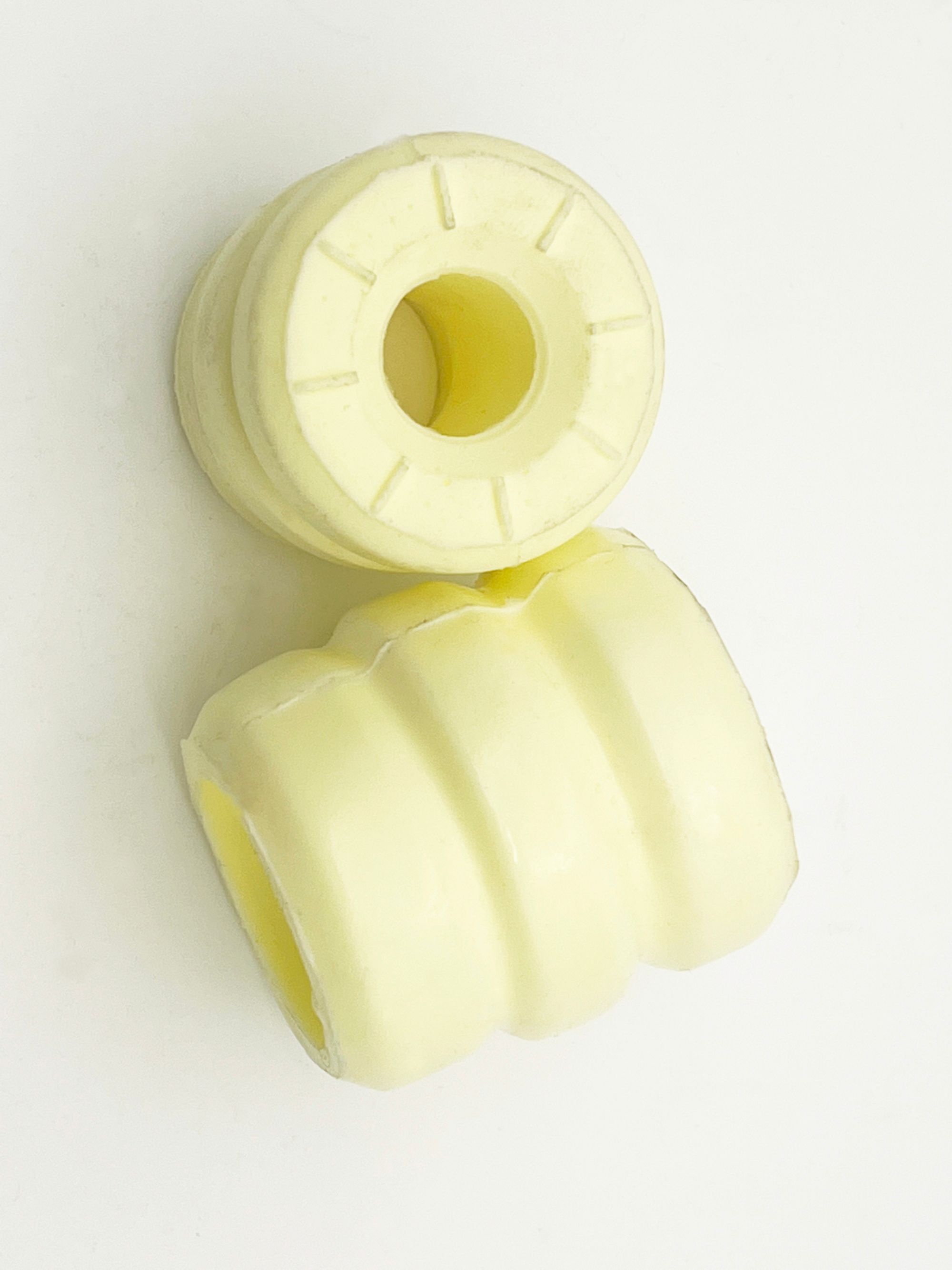
When it comes to maximizing your vehicle's suspension, the smallest components often make the biggest difference. Custom shock absorber jounce bumpers from XIAYI are engineered to do more than just cushion impacts—they actively improve handling, shield vital parts from damage, and refine overall ride quality. Whether you're tackling rough terrain or daily commutes, the right jounce bumper transforms harsh bottom-outs into controlled, progressive damping. Let's explore how this often-overlooked upgrade can elevate your driving experience.
What Makes Jounce Bumpers the Unsung Heroes of Your Suspension
Most drivers obsess over shocks and springs, yet barely glance at the compact, rubbery stoppers tucked inside their suspension. Jounce bumpers step up precisely when everything else reaches its limit. They provide a progressive cushion when suspension travel maxes out, keeping metal components from crashing into each other. Without them, every deep pothole or heavy load would turn your cabin into a jarring racket of metal-on-metal noise, and your control arms would take a beating that shortens their lifespan significantly.
These bumpers aren’t simply solid chunks of rubber anymore. Today’s versions are carefully engineered with cellular foam or microcellular urethane that compresses in a controlled manner, acting almost like a secondary spring. They subtly influence handling during hard cornering and emergency lane changes by adding rate at the end of suspension stroke, preventing sudden snap-oversteer or bottoming-induced loss of traction. That extra bit of stability might go unnoticed on a smooth freeway, but push a vehicle on a winding back road, and you’ll feel the difference between a well-tuned jounce bumper and a worn-out afterthought.
The real genius lies in how they silently mask abuse day after day. Every time you haul a trunk full of gear or hit a surprise speed bump a little too enthusiastically, the jounce bumper absorbs energy that would otherwise rattle through subframes and bushings. It’s a low-cost, zero-maintenance part that quietly saves your spine and your suspension components from punishment, making it one of the most overlooked yet essential pieces of your entire driving experience.
Spotting the Warning Signs Before a Bumper Failure Ruins Your Ride
A loose bumper often whispers before it shouts. Pay attention to a sudden change in how the car sounds over bumps or when reversing near a curb. What might seem like a harmless rattle or a faint scraping noise can actually be the first hint that your bumper’s mounting clips or brackets are giving way. Don’t write it off as just another squeak—check underneath for any visible sagging or uneven panel gaps.
Visual clues are just as telling. Look along the seams where the bumper meets the bodywork. If you spot fresh cracks, stress marks turning white on the plastic, or paint beginning to flake around those edges, the bumper is flexing more than it should. One side sitting lower than the other or a slight protrusion near the wheel well can mean hidden damage to the support beam or foam absorber behind the skin.
The biggest warning often comes through the steering wheel and your own muscle memory. If the car starts to pull slightly to one side on the highway, or if you feel a vibration that wasn’t there before, a partially detached bumper cover may be catching wind and upsetting the aerodynamics. A quick wiggle test by hand—gently shaking the bumper from side to side—can reveal movement that shouldn’t be there. Catching these signs early keeps a minor fix from turning into a roadside hazard.
How Custom Bumpers Tame Harsh Impacts Without Compromising Daily Comfort
You might not notice it at first, but a well-designed custom bumper does more than just sit there looking tough. It manages impact energy in a way that feels almost invisible during everyday driving. Instead of transferring every jolt from a pothole or speed bump straight into the chassis, these bumpers use carefully tuned elastomeric compounds and internal void patterns that compress progressively. The result is a cushioning effect that takes the edge off harsh hits without ever making the ride feel floaty or disconnected.
The real trick is balancing firmness for control with enough give to soak up punishment. Off-the-shelf solutions often lean too far one way—either jarringly stiff or mushy enough to affect steering response. Custom designs get around this by tailoring the bumper’s progressive spring rate to your specific vehicle weight, suspension geometry, and even your typical road surfaces. It means when you hit a sudden dip, the energy dissipates through the bumper’s material, not your spine. And because there’s no messy hydraulic fluid or complex valving involved, the reliability stays rock-solid year after year.
Material Choices That Separate Premium Protection from Cheap Knockoffs
Real protection starts with what’s under the surface. Premium gear uses tightly woven ballistic nylon or multi-layer coated fabrics that shrug off abrasion and moisture without turning stiff, while budget options often rely on thin polyester blends that feel flimsy the moment you pick them up. The difference isn’t just tactile—it’s functional: those denser fibers spread impact force instead of letting it punch straight through, and the coating is actually bonded to the material rather than sprayed on as an afterthought. You might not see the inner scrim layer or know the denier count, but you’ll notice when a year-old knockoff has worn through at the corners while a well-built piece is just getting started.
Hardware and trim are another dead giveaway. Zippers on cheap cases snag or derail because they’re stamped from low-grade alloy with rough teeth; premium versions use self-healing coil designs or oversized metal pulls that work smoothly even when packed tight. D-rings, clips, and adjusters follow the same rule—cast zinc or stainless steel instead of pot metal that corrodes after one rainy season. Even the thread matters: bonded nylon stitching holds seams together under strain, whereas generic poly-cotton thread can rot or snap, leaving you with a split edge no amount of patching will fix. These aren’t flashy specs, but they’re what turn a bag or case from a disposable shell into something that keeps its shape for the long haul.
Then there’s the part you actually touch—the lining and padding. In premium protection, closed-cell foam is precisely cut and often layered with softer memory foam, then wrapped in a sueded microfiber or non-abrasive nylon that won’t scratch screens or glass. Knockoffs stuff in shredded open-cell scraps that compress to nothing after a few weeks, or cover them with velour-like lint magnets that pill and bleed dye. The care taken with edges—taped seams, folded corners, no raw cuts—stops moisture from creeping in and keeps the interior from becoming a dust trap. When you run a hand inside, the smooth consistency tells you someone actually thought about what’s being protected, instead of just hitting a price point.
Dialling in Progressive Damping for Off-Road Grip and On-Road Civility
Balancing a vehicle’s suspension for both rutted trails and smooth tarmac is rarely about finding a single magic setting. Instead, the answer often lies in a carefully shaped damping curve that starts soft and ramps up with velocity. Progressive valving allows the fork or shock to absorb small chatter and gravelly washboard with minimal resistance, keeping the tire in contact with the surface. As shaft speeds climb during larger hits or sudden braking, resistance increases in a controlled, non-linear fashion to prevent bottoming and maintain chassis composure. This progression gives the suspension a dual personality – plush on initial movement, yet supportive when things get aggressive.
On the off-road side, the biggest enemy of grip is a tire that skips over imperfections rather than conforming to them. A digressive or too-linear setup can sacrifice that vital early pliancy. By dialling in a progressive stack – whether via dedicated shim configurations in a high-performance damper or by tuning spring rates and crossover gaps in coil systems – you encourage the wheel to follow the terrain. High-speed bump compliance remains key: a shaft that moves eagerly for the first few millimetres will find traction on loose climbs and off-camber roots where a stiffler setup would skate. Once this foundation is laid, the sharper, g-force generated damping later in the stroke keeps hardpack compressions and square-edged rocks from spiking forces through the bars.
Bitumen behaviour benefits just as much from this graduated approach. Too often, suspension that works brilliantly off-road feels vague and wallowy on the switch to pavement. Progressive damping addresses this by softly filtering road joins and expansion strips without ever going mushy during firmer cornering or heavy braking. The gentle resistance ramp allows body roll to build in a predictable, linear-feeling manner, rather than falling away suddenly. The result is a vehicle that flows from dirt to asphalt without demanding constant clicker adjustments. Refining the progression point – where the damping force transitions from mild to purposeful – becomes the art of balancing comfort with connection, and it’s often the difference between a setup that merely copes and one that truly bridges both worlds.
Installation Pitfalls Even Seasoned Mechanics Often Get Wrong
Many pros learn early on that torque specs are non-negotiable, yet the fastener sequence often gets ignored. It’s tempting to tighten bolts in a circle or just go around the clock, but that can warp a gasket surface or leave uneven clamping force. A star or spiral pattern exists for a reason, and skipping it has led to plenty of comebacks on everything from water pumps to oil pans. Seasoned hands sometimes grow overconfident, reaching for the impact gun without double-checking the manual. Even if the bolt doesn’t snap immediately, the micro-stretching that occurs can create a failure point months later, leaving the next tech scratching their head.
Dry threads versus lubricated threads is another silent trap. A torque value given for clean, dry threads can easily lead to a 30% or greater clamp load overshoot if anti-seize or oil is applied without adjusting the number. Experienced mechanics have stripped threads in aluminum blocks or snapped studs by simply following the book while their hands were still greasy from assembly lube. This mistake is especially common on spark plugs and suspension hardware, where the damage isn’t always obvious until the component works loose or cracks.
Finally, there’s the press-fit or interference-fit part that gets forced in crooked. It doesn’t take much angular misalignment—a degree or two—and the bearing or bushing begins shaving metal as it enters. The part seats, sure, but the bore is now oversized or scored. Veterans who have done wheel bearings a hundred times might skip the simple step of chilling the new race or warming the hub, assuming a shop press will handle it. The result is a job that won’t last half its intended life, and a noise that returns far too soon. No matter how many years you’ve been turning wrenches, a two-minute setup can save an afternoon of rework.
FAQ
Think of a jounce bumper as the last line of defense before your suspension runs out of travel. It's a small but tough component, often hidden inside the coil spring or mounted on the shock, that progressively absorbs energy when the suspension compresses fully. Without it, you'd experience harsh metal-to-metal contact that can rattle your teeth and wreck components.
Custom bumpers let you fine-tune the suspension's bottom-out behavior. By choosing a specific density and profile, you effectively add a progressive spring rate at the end of the compression stroke. This means better energy absorption during hard landings, reduced body roll in corners, and more predictable handling when you're pushing the limits, whether on asphalt or dirt.
They act as a cushion that dramatically reduces impact forces when the suspension bottoms out. This shields expensive parts like shock shafts, mounts, and control arms from sudden, sharp loads. Over time, that translates to fewer bent mounts, blown seals, and cracked bushings, saving you from repeated garage visits.
They actually help with comfort across the board. A well-chosen bumper eases the transition into full compression, so bumps and potholes feel less jarring. It's not just about rock crawling; even on broken pavement or speed bumps, the right bumper can soften the hit noticeably, turning a sharp thud into a muted thump.
Microcellular polyurethane is the go-to for most performance applications. It's durable, resists sagging over time, and can be engineered with different cell structures to control how it compresses. Some use closed-cell foam or rubber blends, but the key is consistent density and rebound characteristics that hold up to heat, grime, and repeated impacts without losing their shape.
Start with your vehicle's available suspension travel and intended use. Heavier rigs or hardcore off-road builds often need firmer, taller bumpers to handle big hits. A street-focused car might benefit from a softer, shorter bumper that engages smoothly. It's best to talk to the manufacturer, give them your corner weights and typical terrain, and let them suggest a compound that matches your needs.
Make sure the bumper fits snugly on the shock shaft or in the spring seat, and keep an eye on your compressed length so you don't accidentally lose valuable uptravel. Sometimes a new shock eyelet or adapter is needed. Also, check that the bumper isn't contacting any brake lines or sway bar links at full compression—a few minutes of cycling the suspension with the spring removed can prevent headaches later.
Definitely. By absorbing the final portion of the impact energy, they reduce the peak loads that the shock internals have to manage. Less force hammering through the piston and seals means less heat and wear over time. It's a simple upgrade that helps your dampers run cooler and last longer, especially if you regularly encounter rough roads or aggressive driving situations.
Conclusion
Often overlooked in suspension tuning, jounce bumpers serve as a critical last line of defense, absorbing the energy of severe compression that coil springs alone cannot handle. They transform what would be a harsh, jarring bottom-out into a controlled, progressive event. Recognizing early signs of degradation—such as crumbling foam, visible cracks, or a sudden harshness over bumps that used to feel muted—prevents costly damage to strut mounts and chassis components. A failing bumper turns a controlled impact into a metal-on-metal collision that degrades both safety and ride quality.
Custom solutions elevate this protection by moving beyond generic rubber blocks to engineered elastomers like microcellular polyurethane, which deliver consistent performance across temperature extremes without packing down over time. The real art lies in tuning the progressive damping curve: a cleverly shaped and density-graded bumper can offer a soft initial compliance for daily road imperfections yet ramp up resistance sharply under full compression to prevent harsh jolts off-road. This balance keeps the tire in better contact with the ground for added traction without sacrificing on-road civility. Even the best-designed bumper fails if installed incorrectly, however—common mistakes include overlooking the need to trim bump stops for lowered vehicles or reusing hardened, shrunken originals that no longer engage properly, which undermines the whole suspension’s intent.
Contact Us
Contact Person: Leela
Email: [email protected]
Tel/WhatsApp: 8613586885132
Website: https://www.xiayishockparts.com