Custom Metal Labels That Elevate Your Brand Identity
2026-11-02
A label that outlasts the product it's attached to isn't just a label—it's a statement. Custom metal labels give your brand a physical presence that paper and plastic simply can't match: weight, texture, and a subtle gleam that says 'quality' before anyone reads a word. Kingming has spent years refining that statement, and this post explores how to make it work for your brand identity.
Why Thicker Labels Feel More Honest
Pick up two jars of the same jam. One label is thin, almost translucent, crinkling under your thumb. The other has a bit of weight to it, a slight resistance when you run a finger across the edge. Without tasting a spoonful, you'll probably trust the second jar more. That instinct isn't random. Heavier paper and thicker adhesive send a quiet signal: the maker cared enough to spend a little more on the part you touch before you open the product.
Thickness changes how we read information. A flimsy label can make even a premium recipe seem cheap or rushed, because it wrinkles, peels, or feels disposable. A thicker label, by contrast, holds its shape. It doesn't bubble or lift at the corners. That physical steadiness translates into a sense of honesty—not because the label says more, but because it doesn't feel like it's hiding behind a layer that might fall off.
There's also a less obvious effect: thicker stock softens glare and absorbs ink differently, making text easier to read at a glance. When you can read an ingredient list without tilting the package to escape a reflection, the brand seems more upfront. Honesty, in this case, starts with a simple material choice that makes the message feel solid instead of slippery.
The Weight of Quality: Metal Labels and Perceived Value
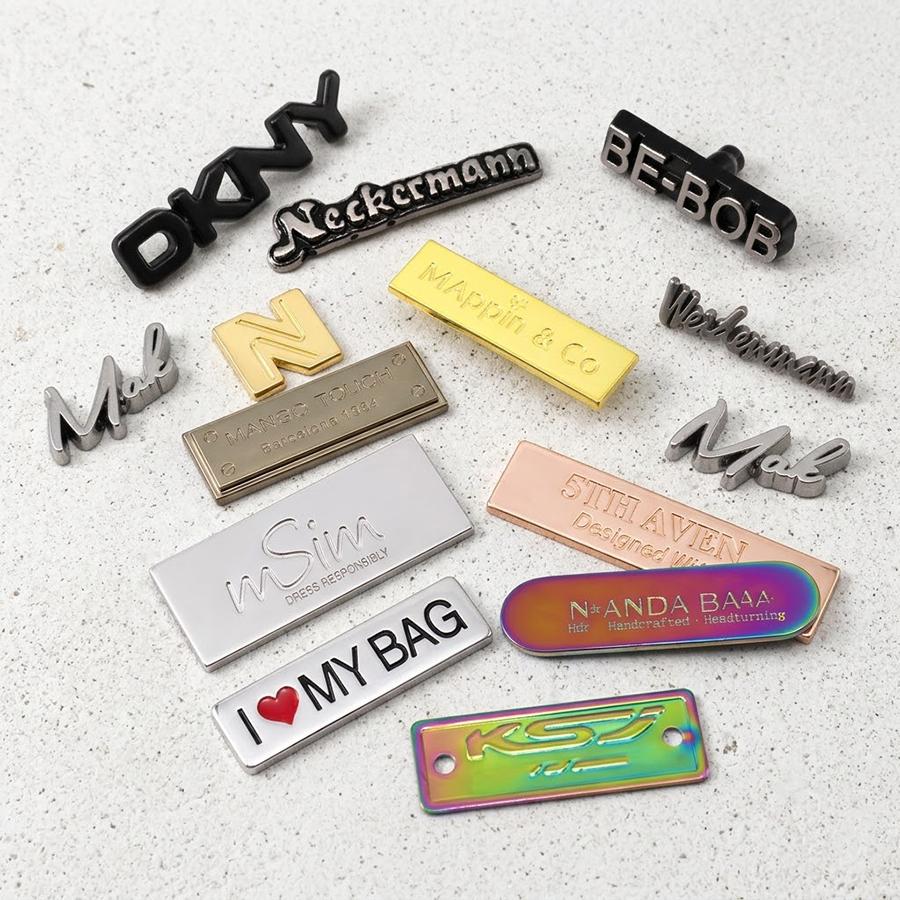
Pick up two identical bottles of olive oil. One has a paper label that wrinkles under your thumb, the edges already peeling from a week on the shelf. The other carries a slim metal plate, cool to the touch, its surface brushed with a quiet grain. You don't need to read the price. Your hand already knows which one feels more expensive. That split-second judgment isn't about logos or color psychology—it's about mass, temperature, and a subtle resistance when your fingernail traces the border. Metal labels communicate permanence because they behave like permanent objects. Paper is provisional; metal is deliberate.
This physical weight translates directly into perceived value, but not in the way most brands assume. It's not just that metal costs more to produce. The effect is sensory and nearly unconscious. A metal label resists bending, so your fingers register effort. It stays cooler than the surrounding surface, creating a micro-contrast that reads as solidity. Even the sound matters: a faint click when you set the product down, rather than the soft hush of coated paper. Designers who understand this don't slap metal labels on everything. They use them sparingly—on a limited release, a flagship product, the version meant to be kept on a desk rather than thrown in a drawer. Scarcity of material mirrors scarcity of product.
Yet the real trick isn't the metal itself. It's the expectation the metal creates before the customer even touches it. A metal label photographed well catches light along its bevel, suggesting craftsmanship that may or may not exist beneath. The perceived value leaks into the entire object: the glass feels thicker, the contents more carefully chosen, the brand more worthy of trust. And that trust persists even after rational evaluation. People don't peel back a metal label to check the adhesive. They assume it won't fail, because metal doesn't need to prove itself. That assumption is the entire game—weight as a shortcut to worth.
Designing Labels That Survive Shipping, Handling, and Time
A label that peels off halfway through transit fails its entire purpose. The journey from warehouse to doorstep involves abrasion against cardboard, exposure to condensation, and rough handling by automated sorters. A well-designed label accounts for these realities by choosing substrates that resist tearing and scuffing, and by ensuring the adhesive bond holds firmly on corrugated surfaces, even when temperatures swing from freezing to over 100 degrees Fahrenheit.
Material selection matters more than most people expect. Polyester and polypropylene films outperform paper labels in wet or oily environments, while a matte laminate can prevent smearing from inkjet prints. Thermal transfer printing with resin ribbons produces crisp, durable text and barcodes that survive repeated scanning. The adhesive should be aggressive enough for recycled cardboard but not so strong that it damages the package finish upon removal—an often-overlooked balance.
Time introduces its own set of challenges. UV exposure can fade direct thermal prints within weeks, so reverse logistics operations that store labeled boxes in sunlight need a different approach. Chemical resistance becomes critical for labels on products like motor oil or cleaning agents. Many industries rely on accelerated aging tests to verify legibility after years of shelf life, ensuring that a label printed today remains scannable and compliant long after the shipment is delivered.
Seven Places You Didn't Think to Put a Metal Label
Most people associate metal labels with industrial equipment or office filing cabinets, but their durability opens up a world of unexpected uses around the house and beyond. Take the kitchen, for instance—slip a small anodized aluminum tag onto the handle of a chef's knife to mark it for specific tasks like raw meat or herbs, or wrap one around the base of a spice jar that's prone to smudged handwritten notes. The labels wipe clean and won't fade from steam or oil, which makes them far more practical than paper stickers.
Out in the garden, metal labels can handle mud, rain, and direct sun without losing legibility. Attach a slim brass plate to a trowel or pruning shears so you always know which tool belongs in which shed. For musical instruments, tuck a tiny engraved tag inside a guitar case with the string change date and preferred tuning—it beats rummaging through old notes. Even gym equipment benefits: a metal label on a barbell or resistance band can note your usual weight settings, saving time between sets.
Beyond practical tagging, metal labels add a touch of personalization in places you'd never consider. Put a small stainless steel tag on a keychain with a phone number instead of a flimsy paper loop, or fix one to a pet's collar with a name and microchip ID that won't scratch off. For travelers, a brushed metal label on a suitcase handle—maybe with a witty phrase or a simple monogram—makes luggage instantly recognizable on a crowded carousel. These tiny upgrades turn everyday objects into well-organized, almost custom-made pieces.
When a Logo Deserves Real Estate: Metal Nameplates on Furniture
Not every piece of furniture earns the right to carry a metal nameplate. A logo on a drawer front or chair rail only works when it reflects a deliberate choice—a maker confident enough to let their mark live alongside the grain of walnut or the patina of brass. The best examples don't shout. They sit flush with the surface, catching light at an angle, turning a functional object into a quiet signature. When the craftsmanship already speaks for itself, the nameplate becomes a full stop, not an exclamation point.
There's a reason certain vintage desks and mid-century cabinets still hold their value decades later. The metal badge tucked into a corner wasn't an afterthought. It was riveted, screwed, or inlaid with the same care given to the dovetail joints. Cheap imitations use adhesive or flimsy alloy—details that reveal themselves the moment you open a drawer. Genuine furniture with real metal nameplates tends to age gracefully because the plate and the piece were designed together, not bolted on as marketing.
For contemporary makers, deciding to add a metal nameplate is a test of restraint. It forces a question: is this design strong enough to carry a permanent label? When the answer is yes, the plate adds a layer of provenance—something a sticker or laser etch never achieves. It tells the next owner, years from now, that someone stood behind the work long enough to put their name in metal.
The Cost of Cheap Labels Is Hidden in Your Returns
You will never see the real price of a dirt-cheap label on the invoice. It shows up weeks later, when a customer unfolds a shirt and finds the size tag has already rubbed into a blur. The label looked fine at the warehouse, but after one trip through a shipping bag and a try-on, the ink is gone. The item goes back, the return reason says "not as described," and your team is stuck eating the shipping both ways plus the labor to inspect and repackage a perfectly good garment.
That is the quiet math most product teams ignore. A label that costs three cents less can trigger a return that wipes out the margin on half a dozen units. Cheap adhesives lift off boxes, thin paper tears in humid conditions, and low-contrast printing turns a barcode into a guessing game at the returns desk. Each failure looks minor on its own, but together they train customers to expect surprises in the box. And customers who expect surprises do not keep products.
The fix is not to buy the most expensive label on the shelf. It is to match the label to the journey the product actually makes, from warehouse shelf to customer doorstep and sometimes back again. Test the tag on the real fabric, crush the box, run the sticker under a sweaty hand, scan the barcode under bad lighting. Do that once before production, and the cost of a better label stops being an expense. It becomes the cheapest return-prevention tool you own.
FAQ
Metal labels carry physical weight and reflect light in a way paper and vinyl simply cannot. A brushed stainless steel label invites touch, and that tactile moment is often the first real connection a customer has with your product. It signals durability before anyone reads a single word.
Start with where the label will live. Brass brings warmth and works beautifully with wood or leather. Aluminum is lighter and more budget friendly, especially with an anodized color layer. Stainless steel handles outdoor exposure or industrial settings without corroding. If you are unsure, order a sample pack with three different metals and leave them in the actual use environment for a week.
Yes, if you choose a thin gauge metal such as 0.3 to 0.5 millimeter aluminum or nickel silver. A quality pressure-sensitive adhesive will hold on gentle curves like a candle jar or a small bottle. For fabric, rivets or sewn-on tabs are more reliable than adhesive alone. Always test on the exact surface before committing to a full run.
A full mirror polish often falls flat because it shows fingerprints and glare. Instead, consider a matte bead-blasted background with a raised polished logo. Brushed textures hide minor scratches and give a controlled, engineered look. Antique or oxidized finishes add depth, especially on brass or copper. Mixing two finishes on one part creates contrast without adding color.
Choose etching or laser engraving over pad printing or screen printing. Etched recesses can be filled with enamel or ink, and the color sits below the surface so it resists wear. Keep fine details at least 0.2 millimeters wide, and avoid lines that are too thin to reproduce cleanly. If your logo has tiny text, bump up the size or drop the text entirely.
Many manufacturers now offer low minimums, often starting around 50 to 100 pieces, especially with laser cutting and digital printing processes. Ask if the setup fee can be credited toward a future larger order. Small-run pricing will be higher per unit, but it lets you test the real product before scaling up.
One frequent mistake is reusing a paper label layout and expecting it to translate. Metal has thickness, reflection, and texture, so your design needs breathing room. Another mistake is ignoring the attachment method early on. If you plan adhesive but the surface is powder-coated or textured, the label may fall off. Always get a physical prototype and do a drop test before production.
Metal creates a natural contrast with organic materials. On wood, brass or copper will darken slightly over time and gain character. On leather, a brushed stainless steel label feels modern without stealing attention from the material. For glass, use a clear silicone adhesive and a thin plate to avoid adding visual bulk or hiding the product inside.
Conclusion
There’s a reason a metal label lands differently than a printed sticker. The extra thickness isn’t just a design choice—it changes how your fingers read the product. A heavier badge, a brushed edge, a subtle depth to the logo all signal that someone cared enough to slow down. That physical weight translates into perceived value before a customer even reads the spec sheet. When a box shows up after rough shipping, a sturdy metal plate still looks intentional, not worn. The hidden cost of flimsy labels shows up in return rates and refund requests—people don’t always articulate why they felt the item was cheap, but their hands already knew.
Think beyond the obvious spot on the front of a machine. Metal labels fit on the side of a leather bag, the inner lid of a keepsake box, the underside of a shelf, or even the edge of a desk drawer. Furniture makers have long known that a nameplate on a chair frame or table rail turns a generic piece into a signed work. That small rectangle of etched or debossed metal gives your logo the weight of real estate—something meant to last as long as the object itself. It’s not about adding more branding; it’s about putting the mark where time, touch, and handling will actually honor it.
Contact Us
Contact Person: Jamie Zeng
Email: [email protected]
Tel/WhatsApp: +86 13728219269
Website: https://www.kmhardware.com