

Commercial Window Shades Wholesale: Tips for Bulk Buying Success
2026-10-19
Bulk-buying commercial window shades can sink your budget fast if you miss the details most suppliers won't mention. From fabric tolerances to bracket compatibility, the gap between a quote and a finished install is where profits vanish. ROLLERGY cuts through that noise with wholesale programs built for contractors who can't afford rework. Before you sign another PO, let's unpack the purchasing moves that separate smooth rollouts from warehouse regrets.
Check the Specs Before You Stock: Fire Codes and Fabric Weight
A gorgeous fabric sample can hide a costly problem if its fire rating doesn't match the space where it will hang. Municipal codes vary sharply—commercial drapery often requires NFPA 701 or a local equivalent, while hospitality and healthcare jobs add smoke density and toxicity limits. If the mill's certificate is missing or outdated, you're not just risking a failed inspection; you're taking on liability that no refund will erase.
Weight is just as decisive as the flame test. A featherweight voile might pass code but will billow, snag, and look limp in a busy lobby, forcing you to replace it within a year. On the other side, a heavy chenille or bonded blackout can overload standard drapery rods and wall anchors if you overlooked its ounces per square yard. Pull a physical sample, fold it, hang it from a hook, and compare it against the hardware's load limit before signing the purchase order.
Keep a running spec sheet for every fabric you consider: fiber content, weight in oz/sq yd or gsm, fire code rating, and cleaning code. That single habit stops you from stocking rolls that won't sell in your region or that violate the very contract you're bidding on. If the supplier balks at sending a certified test report, treat that as a red flag—marketing language about 'fire-resistant' backing is not the same as a lab result.
The Real Cost of Cheap Wholesale Shades: Returns, Repairs, and Reputation
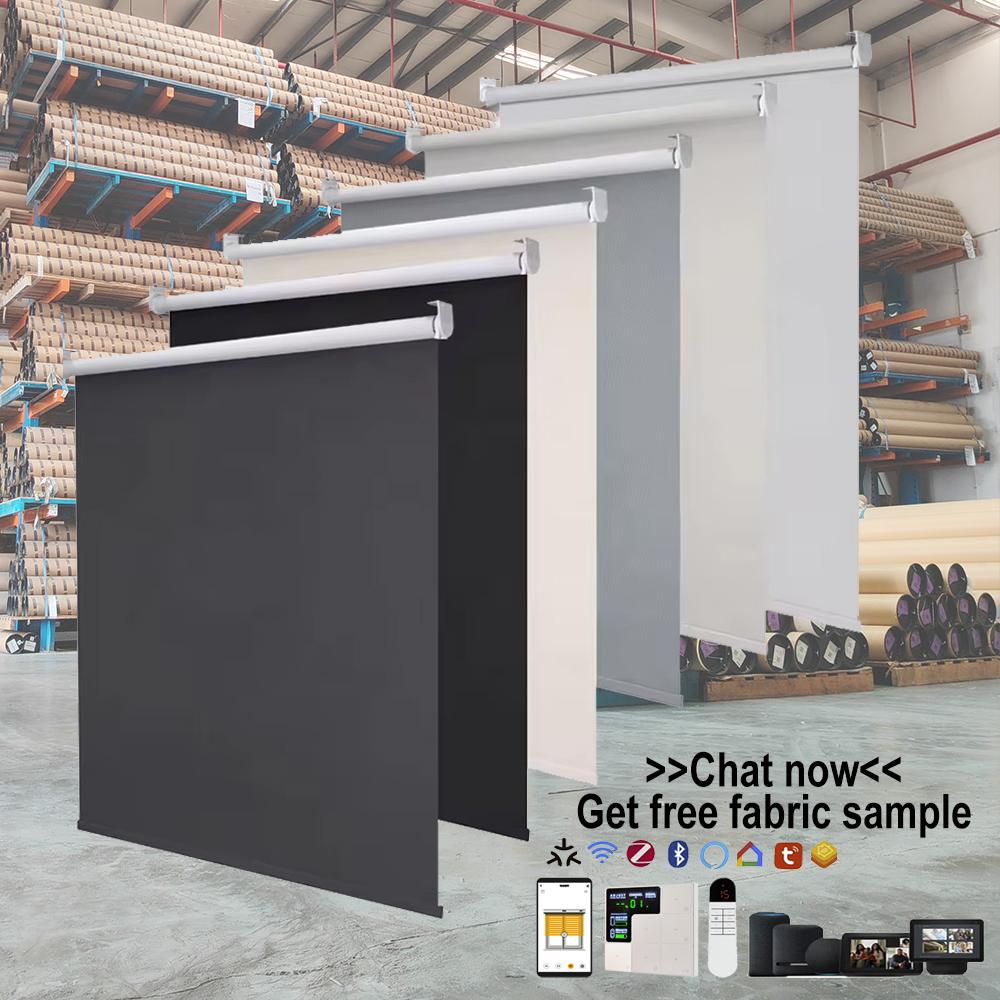
When you stock your shelves with the cheapest shades you can find, the upfront savings can feel like a win. But those thin frames and brittle hinges don't just break in the customer's hands—they come back to you as returns, warranty claims, and frustrated emails. Every defective pair eats into your margin, and the time spent processing refunds and sourcing replacements quietly erodes whatever you saved on the wholesale price.
Then there's the repair issue. Most low-cost shades aren't designed to be fixed; a snapped arm or a scratched lens means the whole unit goes in the trash. Customers notice this. They start to associate your brand with disposability rather than value, and that shift in perception is hard to reverse. A single bad batch can generate a wave of negative reviews that lingers long after the inventory is gone.
Ultimately, the reputation hit is the most expensive line item. Word travels fast when a product fails, especially in niche communities and social media groups where buyers compare notes. The brands that thrive on repeat business understand that a shade's true cost includes the trust it builds—or burns—over time. Cutting corners on quality might pad this quarter's numbers, but it quietly shrinks the customer base you'll need next year.
Ask the Right Questions About Customization Turnaround Times
When you request a custom piece—whether it’s engraved signage, embroidered apparel, or a tailored furniture order—the quoted turnaround is rarely the whole story. A shop might say 'two weeks,' but that clock often starts only after artwork approval, material arrival, or deposit payment. Ask what actually triggers the countdown. Does the two-week window begin when you submit the request, when you approve the digital proof, or when the vendor orders raw materials? These definitions shift delivery dates by days or even weeks.
Also push for clarity on what happens if the project stalls. Are there built-in buffer days for revisions, or does a single change push your order to the back of the queue? If you need a rush job, ask how that affects the base timeline—some studios charge a premium and still only guarantee 'best effort,' not a hard date. Find out whether the quoted turnaround includes transit time or just production hours. A '5-day production' promise means little if shipping then takes another week.
Finally, ask about bottlenecks tied to seasonality. Custom shops often see spikes before trade shows, holidays, or school terms. A vendor that normally delivers in ten days might need three weeks in September. Request a realistic window rather than an optimistic one, and confirm whether multiple revisions extend the schedule before you place the order. That way you can plan your launch, event, or restock without surprises.
Why Minimum Order Quantities Matter More Than Unit Price
Purchasing teams often fixate on the number in the quote, but that figure can hide a much bigger cost. A supplier quoting $0.80 per unit with a 5,000-piece minimum forces you to commit thousands of dollars upfront and store inventory you may not sell for months. A quote at $1.10 with a 200-piece minimum might actually be cheaper once you account for warehousing, insurance, spoilage, and the risk of product changes forcing write-offs.
Minimum order quantities also shape how quickly you can respond to demand. Large MOQs lock you into a single specification and a long replenishment cycle. If customer preferences shift or a component is revised, you are stuck with obsolete units. Smaller MOQs let you test new designs, adjust forecasts, and keep your working capital available for other opportunities rather than buried in boxes.
Suppliers that insist on high MOQs often have rigid production schedules and may treat you as a low priority. Those willing to offer lower MOQs typically operate with more agility, which translates into faster turnarounds, shorter lead times, and fewer headaches when you need a reorder. Over a year, the flexibility from a lower MOQ can outweigh a few cents saved per unit.
Building a Reorder System That Keeps Contractors Coming Back
Most suppliers treat reorders as an afterthought—a phone call or a scribbled note that gets lost by Tuesday. Contractors notice. They are juggling job sites, weather delays, and clients who change their minds; the last thing they need is to chase down materials they already bought once. A reorder system that earns their loyalty starts with remembering what they ordered, how they ordered it, and when their projects typically need it again. That means storing past invoices in a way your team can pull up in seconds, not searching through a filing cabinet while the contractor waits on hold.
The real difference shows up in the details that make a contractor's life easier. Offer one-tap reordering from a past purchase list, with delivery windows that match their work schedule—not your warehouse's convenience. If a contractor ordered 40 sheets of drywall for a basement finish in March, and you know similar jobs run about six weeks, send a simple reminder before they run short. No marketing fluff, no upsell pressure. Just a note that says: you bought this before, here is the exact list, want it again? That kind of memory builds trust faster than any loyalty program.
You also need a system that catches mistakes before they become headaches. Contractors hate discovering a missing fitting or wrong-size fastener after the truck leaves. A reorder flow that shows the original order, lets them tweak quantities, and flags substitutions in plain language will keep them from second-guessing. When they see that you have thought through their workflow—project phases, crew size, even typical waste factor—they are not just reordering supplies. They are reordering from you.
Testing Samples in Real Conditions, Not Just Under Showroom Lights
Most material displays look flawless under a carefully angled spotlight in a pristine showroom. But the moment a sample gets taken outside—hit by shifting humidity, UV exposure, temperature swings, or even just the grit of daily handling—those perfect finishes can start to peel, fade, or warp. That's why we skip the stage lighting and run our samples through actual job-site conditions: mounted near a coastal window for salt air, left in a sunroom for afternoon glare, or dragged across a muddy entryway. The goal isn't to make every product survive everything, but to give you an honest read on what actually holds up when the lights aren't flattering.
A single afternoondoesn't tell you much, so we go further. We install the same tile, hardwood, or countertop sample in multiple rooms of a lived-in home—some with pets, some with kids, one with a perpetually steamy bathroom. Over several weeks, we note where scratches appear, how grout lines collect dirt, and whether that matte finish starts showing a shine from repeated wiping. These aren't lab-accelerated tests; they're slow, boring, real-world observations that reveal the difference between a product that photographs well and one that still looks decent after a year of cereal spills and wet towels.
And because your definition of "real conditions" might not match ours, we ask every client to tell us where their sample ended up: a north-facing kitchen, a screened porch in pollen season, a workshop bench near the table saw. Those reports—scribbled notes, phone photos, a coffee stain left on purpose—get folded into our selection advice. So when we say a particular oak floor can handle a busy dining room, we're not guessing from a brochure. We've already seen it survive spilled red wine, a dropped cast-iron skillet, and three years of folding chairs scraping across it.
FAQ
Focus on suppliers who specialize in commercial projects, not just residential. Ask for examples of past office or retail jobs, and request physical samples before committing. A good supplier will be upfront about factory capacity and current lead times, rather than promising everything you want to hear. Check how quickly they respond to detailed questions—if they dodge specifics about materials or hardware, keep looking.
Start with a window-by-window measurement sheet instead of rough square footage. Add 5–10% extra for cutting errors or job-site damage, but don't blanket-apply that to every area. Break the order by floor or zone and account for different light needs—boardrooms may need full blackout while open desks only need glare control. Review the plan with your facilities team before finalizing numbers.
For custom bulk orders, 3 to 6 weeks is common, depending on fabric availability and factory scheduling. If your project is tight, ask about in-stock fabrics or simplified mounting brackets, but don't sacrifice fire ratings or opacity just to speed things up. Lock in your install date first, then work backward to place the order so the shades arrive before the crew is on site.
Move the conversation away from unit price and onto payment terms, freight split, or phased delivery. Let the supplier know you have multiple locations or future projects—it signals longer-term volume. Ask for a simple cost breakdown of fabric, controls, and hardware; this shows you understand the product and opens room to trim extras like unnecessary branding or premium packaging instead of cheapening the core material.
Fiberglass or polyester blends tend to resist staining and sagging better than cheap vinyl, especially in hallways and break areas. For west- or south-facing windows, look for coated fabrics with high opacity but ask about off-gassing—some coatings smell strong in warm sun. Request abrasion test results or at least a warranty that covers delamination, and avoid anything that feels sticky or overly thin in the sample.
If most of your windows share similar widths, standard sizes will save money and time. But commercial buildings often have odd angles or floor-to-ceiling glass, and forcing a standard shade there leads to light leaks and flimsy installs. Use a mixed approach: standard sizes for repetitive office windows, custom only for conference rooms, stairwells, or unusual openings. This keeps the overall budget predictable while avoiding field modifications.
Confirm the supplier uses reinforced packaging with corner protectors and palletized loads—creases from rough shipping are hard to fix. When the shipment arrives, spot-check a few cartons before signing off; don't wait until install day to discover broken mechanisms. Store everything flat in a dry, climate-controlled area and avoid stacking motorized units too high. If you lack space, negotiate split deliveries that match your installation schedule.
Going too hard on price and ignoring installation compatibility. You end up with brackets that don't match the track, motorized shades without pre-wired power, or room-darkening fabric that ruins projector visibility. Before you place the order, have the supplier provide mounting details and check them against your electrical and carpentry plans. Spending half a day on this can save you thousands in rework later.
Conclusion
Buying commercial window shades in bulk is less about grabbing the lowest sticker price and more about matching the product to the spaces where it will actually hang. Fire codes and fabric weight are not optional details; a shade that fails inspection or sags under its own heft creates immediate headaches for contractors and facility managers. Cheap wholesale lots often come with hidden costs: more returns, more repair calls, and a damaged reputation that quietly eats into future orders. Instead of relying on glossy spec sheets, pull samples and test them in conditions that resemble the final installation—check how the material behaves near bright windows, under HVAC airflow, and after repeated cycling. That kind of hands-on evaluation reveals flaws that showroom lighting conveniently hides.
On the supply side, the questions you ask before committing are just as important as the fabric itself. Customization turnaround times can make or break a project schedule, so get clear, written answers about production windows, not vague promises. Minimum order quantities often matter more than the per-unit price; a lower unit cost means nothing if you are forced to warehouse hundreds of shades you cannot move. Finally, think beyond the first sale. Build a reorder system that makes repeat purchases painless for contractors—simple SKU tracking, consistent color lots, and reliable lead times. When contractors know they can reorder the same shade without surprises, they stop shopping around and start sending steady business your way.
Contact Us
Contact Person: Vivien Cheng
Email: [email protected]
Tel/WhatsApp: +86 13751758835
Website: https://www.rollergytech.com/