CNC Angle Head Solutions: Enhancing Precision in OEM Machinery
2026-04-21
In today's competitive landscape of OEM machinery, achieving unparalleled precision and versatility is paramount. The right angle head solution can transform your CNC operations, enabling complex cuts and intricate designs that were once challenging. At the heart of this innovation lies WINNRUI CNC, a brand dedicated to pushing the boundaries of engineering excellence. This blog explores how CNC angle head solutions are revolutionizing precision, offering insights into their applications and benefits. Join us as we delve into how integrating these advanced tools can elevate your machinery's performance, ensuring your projects meet the highest standards of accuracy and efficiency.
Maximizing Efficiency with Custom CNC Angle Heads
Custom CNC angle heads are game-changers for boosting efficiency in machining operations by allowing access to hard-to-reach areas without repositioning the workpiece. They can be tailored to fit specific machine models and applications, reducing setup times and minimizing errors. This customization ensures optimal tool alignment and reach, leading to faster cycle times and improved part quality, all while cutting down on manual labor and material waste.
Beyond just accessing tight spaces, these angle heads enable multi-sided machining in a single setup, which drastically reduces production bottlenecks. By integrating custom designs, manufacturers can achieve complex geometries and intricate details that standard tools struggle with, enhancing flexibility across various industries like aerospace and automotive. This adaptability not only speeds up workflows but also extends tool life by preventing excessive wear from awkward angles.
In practice, investing in custom angle heads pays off by streamlining processes and lowering operational costs. They facilitate continuous machining with fewer interruptions, allowing for automated runs that maximize output. With precise engineering, these tools help shops tackle diverse projects efficiently, turning challenging jobs into routine tasks and giving a competitive edge in precision manufacturing.
Innovative Applications in Compact Machinery Designs
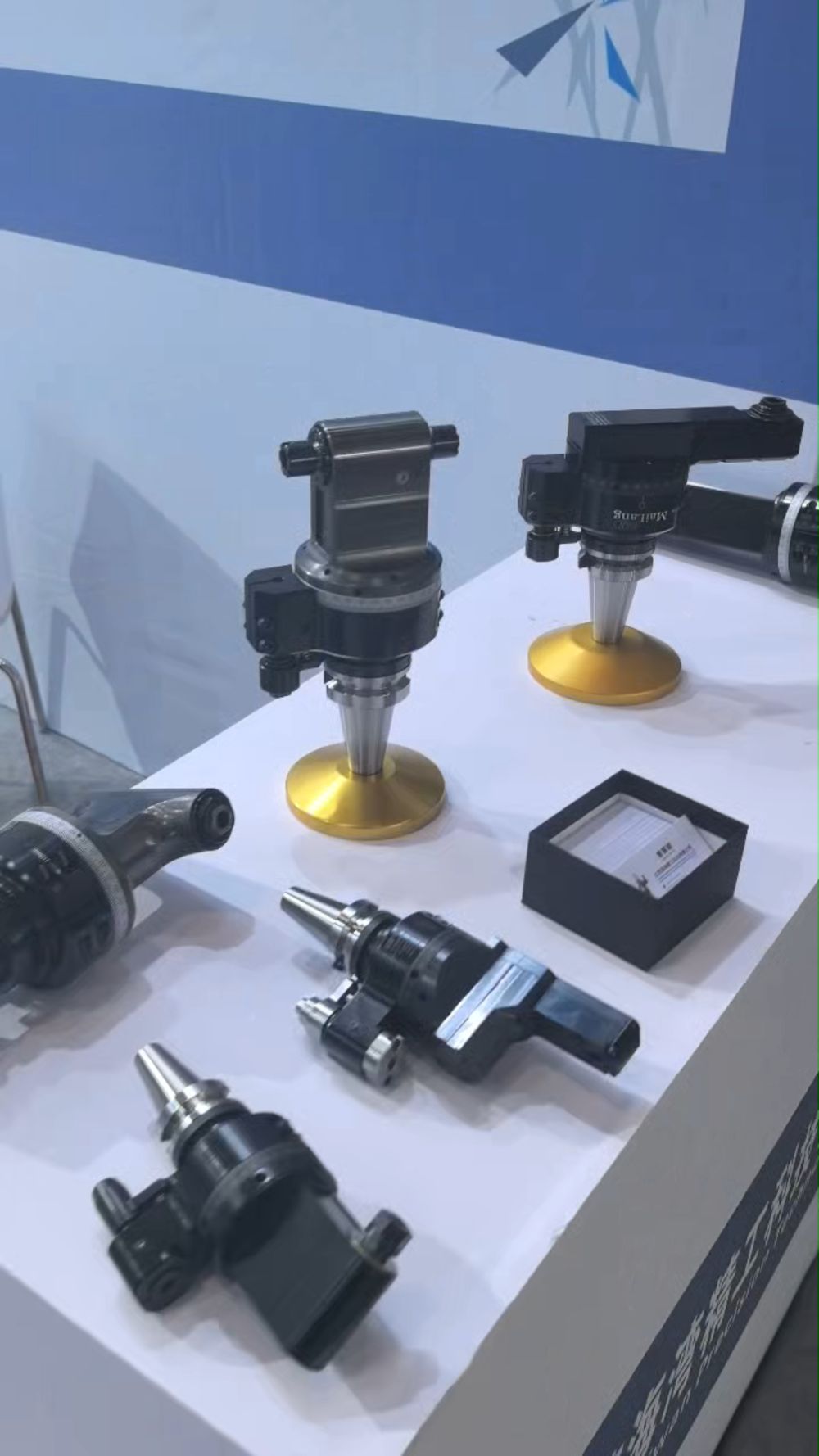
As industries increasingly adopt digitalization, compact machinery designs are being transformed to boost efficiency and minimize environmental impact. These innovations aren't just about shrinking equipment; they integrate smart sensors and IoT connectivity, enabling real-time data collection and predictive maintenance. This approach reduces energy consumption and extends machinery lifespan, making operations more sustainable and cost-effective.
In the manufacturing sector, compact designs are revolutionizing production lines with modular robotics that adapt to various tasks. These systems incorporate lightweight materials and energy-efficient motors, allowing for flexible layouts that maximize space. By leveraging AI-driven automation, companies can achieve higher throughput with minimal manual intervention, enhancing both productivity and workplace safety.
Beyond industrial use, compact machinery is making strides in agriculture and healthcare, where portability and precision are key. Innovations like portable diagnostic devices and autonomous micro-tractors utilize advanced control systems to operate in confined spaces. These applications demonstrate how thoughtful engineering can address specific challenges, offering tailored solutions that improve outcomes in diverse fields.
Boosting Accuracy Through Advanced Cooling Systems
In high-precision fields like semiconductor manufacturing and medical imaging, even minor temperature fluctuations can lead to significant errors. Advanced cooling systems tackle this by employing techniques such as liquid cooling, which dissipates heat more efficiently than traditional air-based methods, ensuring components remain stable within tight thermal ranges. This stability directly translates to improved measurement accuracy, reducing deviations that might arise from thermal expansion or performance drift.
Moreover, smart cooling technologies integrate sensors and real-time monitoring to adaptively manage heat loads. For example, in scientific instruments or data centers, these systems dynamically adjust cooling intensity based on current operational demands, preventing overheating during peak usage while minimizing energy waste during idle periods. This responsive approach not only boosts reliability but also enhances overall accuracy by maintaining consistent environmental conditions.
The adoption of phase-change materials in cooling systems further refines accuracy by providing passive thermal buffering. These materials absorb excess heat during operation and release it gradually, smoothing out temperature spikes that could otherwise introduce errors. By combining these innovations, advanced cooling solutions offer a robust foundation for precision work, making them indispensable in cutting-edge applications where every degree matters.
Real-World Case Studies: OEM Success Stories
Diving into the world of OEM collaborations, one standout story comes from a major automotive manufacturer that partnered with a tech startup. Initially struggling with outdated production lines, the OEM integrated advanced IoT sensors and AI-driven analytics, leading to a 30% reduction in downtime and a significant boost in product quality. This hands-on approach not only streamlined operations but also set a new industry benchmark for efficiency, demonstrating how strategic tech adoption can transform traditional manufacturing.
Another compelling example involves a healthcare equipment OEM that faced challenges in meeting stringent regulatory standards. By teaming up with a specialized software developer, they co-created a customizable diagnostic tool that not only complied with global regulations but also reduced development time by 40%. This success story highlights the power of cross-industry partnerships in driving innovation and delivering tailored solutions that resonate with end-users and regulators alike.
In the consumer electronics sector, a lesser-known OEM rose to prominence by focusing on sustainable practices and user-centric design. Collaborating with material scientists and design experts, they launched a line of eco-friendly devices that gained market traction through unique features like modular components and extended lifecycle support. This case underscores how prioritizing environmental responsibility and customer needs can carve out a competitive edge in a crowded marketplace.
Easy Integration Techniques for Existing Equipment
When implementing new systems, integrating them with your current equipment can feel daunting, but it doesn't have to be. Start by conducting a thorough audit of your existing machinery and software to identify compatibility gaps and potential bottlenecks. This upfront assessment allows you to tailor integration strategies specifically to your setup, minimizing downtime and avoiding unnecessary overhauls. Focus on leveraging modular components or adapters that bridge old and new technologies seamlessly—often, simple updates like firmware patches or connector replacements can make a significant difference.
Another effective approach involves using middleware or API solutions that act as translators between disparate systems. These tools can standardize data formats and communication protocols, enabling legacy equipment to share information with modern platforms without requiring a complete replacement. For example, a manufacturing plant might deploy a lightweight software layer that allows decades-old sensors to feed data into a new analytics dashboard, preserving the investment in reliable hardware while unlocking advanced insights. Prioritize interoperability by choosing open standards and customizable interfaces, which offer flexibility as your needs evolve.
To ensure a smooth transition, adopt incremental integration rather than a big-bang overhaul. Pilot the integration on a small scale, such as a single production line or department, to test functionality and gather feedback. This phased method reduces risk and allows for adjustments before rolling out changes company-wide. Encourage collaboration between your technical team and equipment operators, as their firsthand experience can uncover practical tweaks that enhance usability. Remember, the goal isn't just to connect systems—it's to create a cohesive workflow that boosts efficiency without disrupting daily operations, making the integration feel like a natural upgrade rather than a disruptive change.
Future Trends in Precision Tooling Technology
As the precision tooling landscape evolves, a standout trend is the shift toward smart, interconnected systems. Rather than simply increasing automation, manufacturers are embedding sensors and IoT capabilities into tools to enable real-time monitoring of wear, temperature, and performance. This allows for predictive maintenance, reducing downtime and extending tool life—a significant leap from traditional reactive approaches.
Another key development is the rise of additive manufacturing in precision tooling. Beyond prototyping, 3D printing is now being used to create complex, lightweight tool components with customized geometries that were once impossible to machine conventionally. This not only speeds up production but also opens doors for innovative designs in aerospace and medical sectors, where precision is critical.
Lastly, sustainability is becoming a driving force, with eco-friendly materials and energy-efficient processes gaining traction. Companies are exploring biodegradable composites and optimizing tool paths to minimize waste and energy consumption, reflecting a broader industry move toward greener practices without sacrificing accuracy.
FAQ
CNC angle heads allow for complex machining on multiple axes without repositioning the part, increasing efficiency and reducing setup times in OEM equipment.
By enabling precise tool access to hard-to-reach areas, they minimize errors and enhance surface finish, leading to tighter tolerances in OEM machinery components.
Yes, many suppliers offer tailored solutions, including different sizes and mounting options, to fit unique machine configurations and application requirements.
They are versatile enough to handle materials like aluminum, steel, and composites, making them suitable for diverse industries from aerospace to automotive.
They significantly boost speed by allowing simultaneous multi-axis operations, reducing cycle times and increasing throughput in OEM manufacturing lines.
Regular lubrication and inspection for wear are key, as neglecting these can lead to downtime and affect precision in long-term operations.
Many retrofitting kits and modular designs help OEMs upgrade their equipment without full replacements, balancing performance with budget constraints.
Conclusion
CNC angle head solutions have transformed OEM machinery by maximizing efficiency through custom designs tailored to specific manufacturing needs. By implementing these specialized tooling systems, manufacturers can achieve unprecedented precision in complex machining operations, particularly in compact machinery designs where space constraints demand innovative applications. The integration of advanced cooling systems further boosts accuracy by maintaining optimal temperatures during high-speed operations, reducing thermal distortion and extending tool life. These enhancements collectively contribute to higher productivity and reduced downtime in demanding industrial environments.
Real-world case studies from successful OEM implementations demonstrate the tangible benefits of easy integration techniques with existing equipment, allowing for seamless upgrades without major overhauls. As the industry evolves, future trends in precision tooling technology point toward smarter, more adaptive angle heads that incorporate sensor feedback and automation. This forward-looking approach ensures that CNC angle head solutions remain at the forefront of enhancing precision, driving continuous improvements in quality and performance across diverse manufacturing sectors.
Contact Us
Contact Person: Tim
Email: [email protected]
Tel/WhatsApp: +86 15522553731
Website: https://www.winnrui-cnc.com/