

Choosing the Right Dry Type Transformer Company for Your Industrial Needs
2026-07-28
Selecting the right dry type transformer manufacturer can make or break your industrial operations. With safety, efficiency, and reliability at stake, it's critical to partner with a supplier that understands your unique requirements. Deepwill stands out by combining decades of engineering expertise with innovative solutions tailored for demanding environments. In this guide, we'll explore the key factors to consider when choosing a dry type transformer company, and how the right choice can drive long-term performance and cost savings.
Pinpointing Your Industrial Transformer Specifications
Getting the specs right for an industrial transformer starts with a clear-eyed assessment of your operational demands. Think beyond just voltage and kVA—consider the nature of your loads, the frequency of peak demands, and any harmonic distortions your equipment might introduce. A thorough load profile can reveal whether you need a standard design or something with beefed-up thermal margins and specialized winding configurations to handle non-linear loads gracefully.
Environmental conditions often dictate the hidden half of your specification sheet. Installations in coastal areas demand corrosion-resistant coatings and sealed tanks to fend off salt-laden air, while high-altitude sites might require adjustments for reduced cooling efficiency. Even seemingly minor factors like ambient temperature swings, humidity, and the presence of conductive dust can push a transformer beyond its design limits if overlooked during the specification phase.
Don’t underestimate the long-term impact of efficiency and regulatory requirements. Striking the right balance between upfront cost and lifecycle energy savings means scrutinizing efficiency curves at your expected load range, not just the nameplate rating. Factor in local codes, noise ordinances, and any future expansion plans—specifying a transformer that barely meets today’s needs can become a costly bottleneck when your operation grows.
Evaluating Engineering Expertise and Customization Capabilities
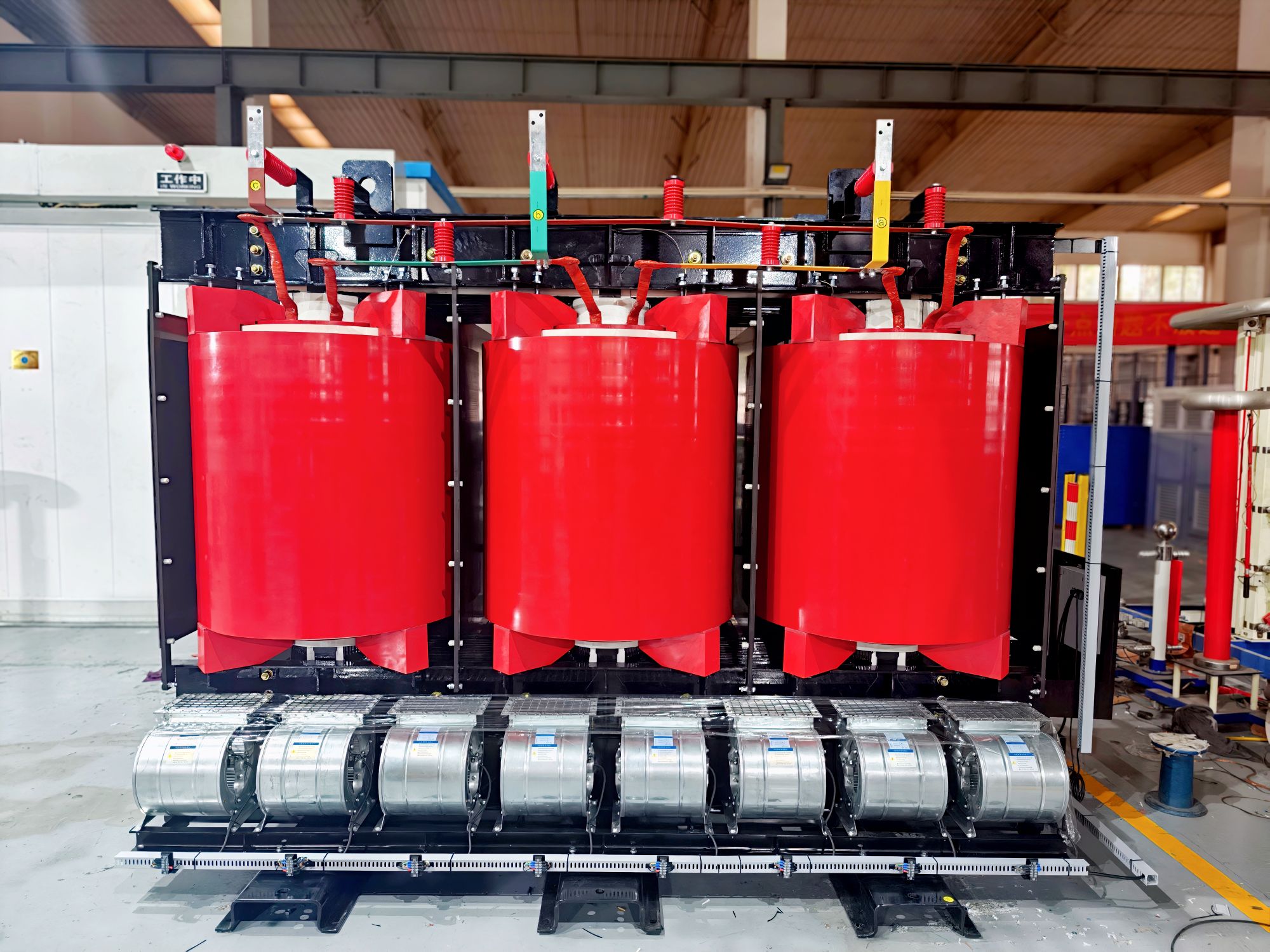
True engineering depth isn’t just about years in business—it’s revealed in how a team approaches unfamiliar challenges. When evaluating a partner, look beyond their portfolio and ask specific questions about edge cases they’ve handled. For instance, how did they redesign a component to function reliably in a high-vibration environment without adding weight? Or what steps did they take to bring a concept from a rough sketch to a manufacturable prototype in under eight weeks? The answers should highlight not only technical know-how but also an iterative problem-solving mindset. A team worth its salt will walk you through their decision-making process, explaining why they chose one material over another or how they balanced cost against performance. They’ll also demonstrate an awareness of the entire product lifecycle, from design for assembly to end-user safety.
Customization capability goes beyond simply tweaking an existing design—it’s about understanding the client’s unique constraints and turning them into competitive advantages. A strong engineering partner will show you how they’ve adapted standard components to meet unusual spatial constraints, or integrated electronics in a way that simplified the assembly line. Real customization leaves traces in a product’s architecture, such as a clever mounting system that shaves seconds off installation time or a material substitute that extended the product’s lifespan in harsh weather. Ask for concrete examples where their custom work resulted in measurable gains, like a 15% reduction in field failures or a faster time-to-market by integrating off-the-shelf modules in an unconventional arrangement. The best teams don’t just accommodate special requests—they anticipate needs you haven’t articulated yet, drawing on cross-industry experience to propose improvements that fit your business model.
Finally, probe how they validate their engineering choices and customized solutions. Do they rely solely on simulation, or do they back it up with rapid physical testing? A balanced approach might involve finite element analysis for the initial design, followed by 3D-printed prototypes tested under real-world stress. Listen for stories of learning from unexpected test failures—those are often the moments that forge deeper expertise. Also pay attention to how they document and transfer knowledge: a mature team will provide clear reasoning behind each customization, ensuring your in-house engineers can maintain and evolve the product later. This transparency is a sign of confidence, not just compliance. In the end, the right engineering partner makes you feel like you’ve expanded your own team’s capabilities, not just outsourced a task.
Assessing Quality Certifications and Manufacturing Standards
When evaluating an electronic cigarette factory, a close look at its quality certifications reveals a lot about its operational discipline. ISO 9001 is a baseline, but certifications like GMP, ISO 13485 for medical devices, or even ISO 14001 for environmental management signal a deeper commitment to consistent output. These aren't just badges on a website; they require regular audits, detailed record-keeping, and a culture that prioritises process over shortcuts. The presence of such credentials suggests the manufacturer is willing to invest in systems that catch defects before products leave the floor, rather than relying on spot checks alone.
Manufacturing standards extend beyond paper certificates and into the physical environment. A factory that truly follows good manufacturing practices will have cleanroom assembly areas with controlled air pressure and filtration, especially for vape products where purity of the aerosol matters. You might notice colour-coded zones, strict gowning procedures, and workstations designed to minimise cross-contamination. Equipment calibration logs, batch traceability records, and real-time monitoring systems are often visible indicators that standards are being lived daily—not just audited annually.
Another dimension is how the factory handles raw materials and components. Certified processes require incoming materials to meet predefined specifications, with documentation to prove it. This might include supplier audits, certificates of analysis for e-liquids, and stress testing of hardware components like batteries and heating elements. The absence of such rigour can lead to inconsistencies in taste, vapour production, or even safety. Ultimately, a manufacturer's approach to certifications and standards tells you whether they view compliance as a box-ticking exercise or a foundation for building reliable products.
Understanding Service Reach and After-Sales Support
When evaluating a product, especially in categories like electronics or machinery, the true measure of a brand often lies in what happens after the sale. It’s not just about how quickly a package arrives at your doorstep, but how far the company’s support structure extends when you need assistance. Service reach goes beyond geographical availability—it covers the accessibility of repair centers, the responsiveness of customer service teams, and whether help is available through multiple channels like chat, phone, or in-home visits. A wide service network can turn a potential headache into a minor inconvenience, making it a crucial factor that directly influences long-term satisfaction.
After-sales support is where promises become tangible. It starts with a clear and fair warranty policy, but the real differentiator is how effortlessly a claim is processed. Companies that offer transparent troubleshooting guides, readily available spare parts, and proactive follow-ups create an experience that fosters trust. Moreover, support isn’t limited to repairs—it includes software updates, maintenance tips, and extended service plans that help extend the life of your purchase. The brands that excel are the ones that treat every interaction as a chance to prove their commitment, rather than just a transaction to close.
To gauge the reliability of a brand’s service ecosystem, look beyond marketing claims and read real customer stories. Pay attention to how issues are resolved in remote areas versus major cities, and note the average turnaround time for repairs. Some manufacturers partner with local service providers, while others operate dedicated outlets. The depth of after-sales support often reflects the company’s confidence in its own products. When a brand invests heavily in keeping you happy after the purchase, it signals a long-term relationship mindset that can make all the difference when something goes wrong.
Analyzing Supply Chain Reliability and Lead Times
Scrutinizing supply chain reliability goes beyond placing orders and expecting timely arrivals. It demands a deep dive into historical performance metrics, such as on-time delivery rates and order accuracy, while also assessing real-time variables like port congestion or raw material availability. This dual approach brings hidden vulnerabilities to light, allowing businesses to anticipate disruptions rather than simply reacting to them.
Lead times, often treated as a fixed promise, are far more fluid in practice. They fluctuate with seasonality, geopolitical shifts, and even subtle supplier capacity changes. By mapping lead time variations over extended periods and cross-referencing them with external factors, companies can identify patterns that static data obscures. This reveals not just averages, but the true range of risk, enabling smarter inventory buffers and more realistic customer commitments.
Fusing reliability insights with lead time intelligence creates a dynamic framework for sourcing decisions. It moves the conversation from generic supplier ratings to scenario-based planning: What if a critical component’s lead time suddenly triples? How resilient is the network when a key node fails? Answering these questions demands continuous monitoring and a culture that treats supply chain data as a strategic asset, not an afterthought. The payoff is a supply chain that bends without breaking, delivering consistent value even in turbulent times.
Reviewing Real-World Performance Through Customer Case Studies
There's a certain clarity that only comes from watching a product perform under real-world conditions. Customer case studies give us that unfiltered view, stripping away the polish of launch presentations and instead revealing how solutions hold up when faced with actual business pressures. By stepping into the operational shoes of diverse organizations, we can trace the tangible shifts in efficiency, cost structure, and user adoption that often go unnoticed in controlled testing environments.
What makes these narratives so compelling is their ordinariness. They aren't tales of heroic overhauls but rather quiet, cumulative improvements—a support team resolving issues hours faster, a logistics hub cutting waste by a percentage point, a retailer turning data into same-day replenishment decisions. These are the outcomes that never make headlines but fundamentally reshape daily operations. And when patterns emerge across a dozen such stories, a genuine performance signature begins to form, one grounded in practice rather than promise.
Perhaps most useful is the honesty embedded in case studies that go beyond success metrics. The best accounts include friction: integration snags that required creative workarounds, cultural resistance that demanded patient change management, or features that looked essential on paper but went unused in practice. This texture moves the conversation away from idealized capability and toward responsible expectation setting, giving future adopters a map not just of where the summit is, but of the rocky sections along the trail.
FAQ
Look beyond the price tag and evaluate their engineering expertise, production capacity, and track record with industrial clients similar to your operation. A company that invests in advanced winding techniques and rigorous testing often delivers a more durable product. On-site visits can reveal a lot about their quality control culture and commitment to innovation.
Request copies of their ISO 9001 and relevant IEC or IEEE test reports, but don’t stop there. Ask for documentation on specific routine tests like insulation resistance and temperature rise. A transparent supplier will also share third-party audit results. Pay attention to their voluntary adherence to standards like K-factor or seismic qualifications if your environment calls for it.
Dry type units eliminate the risk of oil leaks and fire hazards, making them safer for indoor installation or environmentally sensitive zones. They require less maintenance since there’s no fluid to sample or replace. You’ll also avoid containment costs and simplify compliance with building codes, which can offset the higher initial purchase price over the equipment’s lifespan.
Provide the manufacturer with a detailed load profile, including peak demand, harmonics, and duty cycle. Insist they perform a thermal analysis and show you the expected temperature rise under worst-case conditions. Collaborating on a custom impedance or insulation class can prevent future overheating and voltage drops that degrade your machinery.
A reputable company offers more than a warranty card. Look for commissioning assistance, on-site training for your team, and a clearly defined service response time. Access to genuine spare parts and ongoing technical advice—especially for large or customized units—can dramatically reduce unplanned downtime over the years.
When off-the-shelf models force you to compromise on footprint, noise level, or electrical efficiency, customization pays off. A built-to-order design can integrate harmonic mitigation, specialized enclosures, or non-standard voltage ratios that improve overall system reliability. The upfront engineering cost is often recovered through energy savings and reduced disruption.
It’s one of the strongest indicators of future performance. A manufacturer that understands the challenges of your sector—be it mining, chemical processing, or data centers—will anticipate problems like harmonic distortion or harsh ambient conditions. Ask for case studies and speak to their past customers about real-world durability and support.
Conclusion
Selecting a dry type transformer manufacturer goes far beyond a simple purchase decision; it demands a thorough alignment of your technical requirements with a partner who truly understands your operational context. Start by clearly defining your load profiles, voltage levels, insulation class, and environmental constraints—details that will weed out generic suppliers. Yet true differentiation emerges when you probe a company’s engineering depth. Can they tailor winding configurations or enclosure designs to address your unique harmonics or space limitations? The best firms don’t just modify off-the-shelf units; they collaborate from the design phase, bringing decades of application-specific insight. Equally crucial is a critical eye on certifications: ISO 9001, IEC 60076, and UL listings are non-negotiable, but dig deeper into their testing protocols for partial discharge and thermal performance under real-world stress. A transformer’s longevity often reflects the rigor of its manufacturing culture, not just a cluster of stamped approvals.
Beyond the factory floor, your evaluation must extend to how a company supports its products after commissioning and manages the vagaries of supply chains. Responsive after-sales teams, availability of spares, and field service turnaround can make or break uptime in critical processes. Meanwhile, in today’s volatile material and logistics landscape, scrutinize their lead-time track record and contingency planning—delays can cascade into costly project disruptions. Finally, demand evidence, not promises: case studies and client references reveal how transformers withstand actual duty cycles, harsh climates, and fault conditions. When a manufacturer openly shares performance data from installations similar to yours, it signals confidence born from experience. By weaving these considerations together, you’ll move past marketing claims and secure a transformer partnership that safeguards your industrial productivity for years to come.
Contact Us
Contact Person: Julion
Email: [email protected]
Tel/WhatsApp: 8617351370631
Website: https://www.deyunelectric.com