

Choosing a Tris(2-ethylhexyl) Phosphate Company for Your Chemical Needs
2026-10-15
Sourcing Tris(2-ethylhexyl) phosphate (TEHP) isn't just about checking a specification sheet—it's about finding a supplier that won't let you down when production scales up. From flame retardants to PVC plasticizers, the right TEHP partner affects batch consistency, regulatory paperwork, and even your lead times. Fortune has built its reputation around these practical realities, but what separates a truly dependable TEHP manufacturer from the rest? In this post, we'll walk through the key questions to ask before you sign a contract.
What Lot-to-Lot Consistency Really Means for Your Process
When people talk about lot-to-lot consistency, they often picture a stack of production reports with identical numbers from top to bottom. But real consistency is rarely about producing the exact same value every single time. It’s about how tightly your process hugs its own centerline across separate runs, even when raw materials shift, operators change shifts, or equipment drifts slightly. A process that delivers 98, 102, 99, and 101 across four lots is often far healthier than one that nails 100 every time but requires constant manual tweaking behind the scenes. That hidden tweaking is where cost and risk pile up, and consistency quietly disappears when no one is looking.
The deeper meaning of lot-to-lot consistency shows up in how little you need to intervene between batches. If every new lot forces you to recalibrate, adjust temperatures, or rework the first few units, then your process is not truly consistent—it’s just repeatedly rescued. True consistency means the next lot lands in the same predictable band without heroic effort, because the upstream variables are controlled well enough to absorb normal variation. It’s the difference between a driver who holds a steady speed on a highway and one who constantly brakes and accelerates yet somehow arrives at the same average time. Only one of those feels safe to build a schedule around.
For anyone responsible for quality or throughput, lot-to-lot consistency is really a measure of trust in your own process. It tells you whether you can scale up, shorten lead times, or reduce inspection without inviting surprises. If consistency is poor, you’ll find yourself buffering with extra inventory, over-testing, or writing longer deviation reports—none of which add value. But when lot after lot lands where you expect it, you stop managing by reaction and start managing by design. That shift changes how the entire team thinks about improvement, moving from “what went wrong this time?” to “how much tighter can we make the next one without adding strain?”
Traceability That Starts Before the Reactor
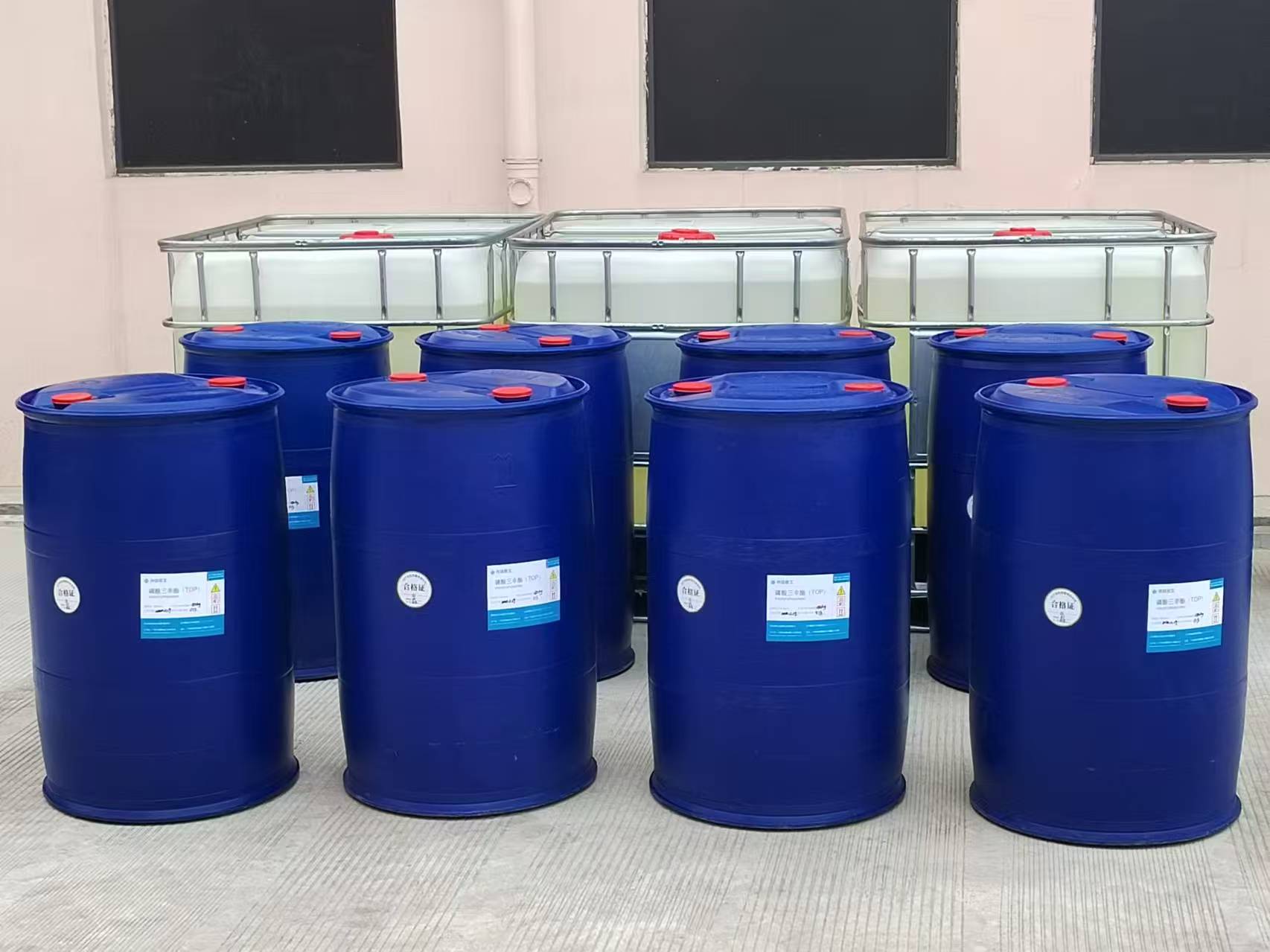
Traceability is not a label added at the end; it is a discipline embedded before anything enters the reactor. We map every precursor, solvent, and catalyst to its point of origin, recording lot numbers and handling conditions long before synthesis begins. If a question ever surfaces downstream, the answer does not require a scramble through old emails—it is already in the chain of custody.
This pre-reactor focus changes how we qualify vendors. A certificate of analysis is just the starting point. We look at how raw materials are stored, transported, and split into smaller quantities. Does the supplier repackage under inert atmosphere? Are there temperature logs for the journey? Those seemingly minor details become the difference between a reproducible reaction and a mystery.
In practice, that means our batch records do not begin with "Step 1: Charge the reactor." They begin with the purchase order for a specific lot of material, tied to its analytical fingerprint. By the time the reactor is sealed, every ingredient already has a documented history—so what happens inside is never a blind spot.
Purity Verification Beyond the Certificate of Analysis
A certificate of analysis offers a snapshot, but real confidence in purity comes from digging deeper. We trace every batch back to its raw material source, reviewing supplier documentation, handling procedures, and storage conditions that could influence the final composition. This means checking not just the expected active ingredients, but also looking for unlisted byproducts, residual solvents, or traces of processing aids that might slip past routine testing.
Independent verification plays a key role here. Instead of relying solely on in-house results, we send samples to accredited third-party laboratories that specialize in advanced analytical methods like high-resolution mass spectrometry and nuclear magnetic resonance. These techniques can detect impurities at exceptionally low levels and confirm structural identity, catching discrepancies that a standard certificate might miss. The goal is not to replace the certificate, but to build a more complete picture of what is actually in the material.
We also look at consistency across multiple lots, because a single clean test does not guarantee future purity. By tracking batch-to-batch variation and investigating any outliers immediately, we can spot supply chain drift or contamination risks before they become larger problems. This ongoing scrutiny, combined with transparent reporting, gives users a level of assurance that goes well beyond a stamped piece of paper.
Supply Chain Resilience When Timelines Get Tight
Tight timelines expose the weakest links in any supply network. When lead times shrink from weeks to days, the usual buffers—safety stock, alternate routes, and slack in production schedules—evaporate quickly. Resilient operations don't just react to compressed schedules; they design for them from the start. That means qualifying secondary suppliers before they're needed, keeping critical components in regional micro-warehouses, and building real-time visibility into every tier of the chain. Without these pre-positioned options, a single delayed shipment can cascade into missed deliveries and lost contracts.
One overlooked lever is decision speed at the operational level. During high-pressure windows, teams that rely on centralized approvals and multi-department sign-offs lose hours that simply don't exist. Instead, resilient firms push authority down to floor managers and logistics coordinators who can reroute a truck or switch a packaging line on the spot. Pairing that autonomy with shared live dashboards—not static reports emailed at end of day—turns a rigid chain into a responsive web. The goal isn't to predict every disruption, but to shrink the gap between detection and action.
Finally, true resilience under time pressure comes from treating suppliers as partners rather than transactional vendors. Short timelines amplify the cost of miscommunication, so high-performing companies invest in joint scenario planning and shared risk registers. When a bottleneck hits, the suppliers who understand your downstream customer commitments will prioritize your order without being begged. That relational capital is built long before the deadline appears on the calendar—and it's often the difference between a crisis quietly absorbed and a public failure.
Technical Support That Speaks Your Production Language
When a line goes down at 2 a.m., the last thing you need is a support rep asking what a palletizer is. Our team includes former plant engineers, maintenance leads, and automation specialists who know the difference between a servo fault and a sensor drift. They don't read from scripts—they read your error logs and speak in terms your crew already uses, from torque specs to cycle times.
Every support ticket gets picked up by someone who's actually walked a production floor. We skip the tier-one runaround and connect you directly to a technician who understands your specific equipment, your shift schedule, and the cost of every minute of downtime. Whether you're troubleshooting a filling nozzle or fine-tuning a vision system, the conversation starts with “got it” rather than “could you explain that again?”
That shared language means faster root cause analysis, clearer next steps, and fewer frustrating back-and-forths. It's not about jargon for jargon's sake—it's about respecting that you have a job to do and we're here to help you get back to it without long pauses or lost nuance.
Scaling from Pilot to Full Production Without Surprises
Moving from a pilot project into full production often exposes the hidden shortcuts we took while proving the concept. What ran fine on a small batch or a controlled user group can crumble under real traffic, messy data, and unexpected edge cases. The first step is to treat the pilot not as a prototype but as a rehearsal: document every manual workaround, every assumption about load, and every place where the team said “we’ll fix that later.” Those notes become your scaling checklist.
Surprises usually come from things you didn’t measure. Before committing to full rollout, agree on a handful of operational metrics — not just uptime and response time, but things like failed job recovery rate, data backfill duration, and the number of alerts that require human intervention. Run a “dark launch” or a canary release with a small percentage of real traffic for at least a week, and force the system to handle double the expected peak at least once. This isn’t about building the perfect system; it’s about finding out where it breaks before your customers do.
Finally, don’t scale everything at once. Pick one dimension — users, data volume, or feature complexity — and increase it gradually while keeping the other two stable. Record every incident, even the minor ones, and hold a short review to decide whether the fix belongs in code, configuration, or team process. This loops the lessons from production back into the rollout plan, so the move to full scale feels less like a gamble and more like a series of small, deliberate steps.
FAQ
Ask for batch-specific certificates of analysis that show actual assay values, moisture content, acid number, and color. A trustworthy supplier will also share stability data and impurity profiles without hesitation, rather than handing you a generic spec sheet.
Request a plant audit or video walkthrough, and ask about their reactor sizes, annual output, and current booked capacity. If they only offer vague estimates or refuse to share basic throughput figures, they may be a trading company with no direct control over production.
Low-purity TEHP can introduce residual alcohols, acidic byproducts, or metal traces that degrade polymers, affect clarity, or corrode equipment. For medical tubing, food-contact films, or high-end cables, even a 0.5% impurity shift can change performance and shelf life.
Look for dual sourcing of raw 2-ethylhexanol and phosphorus oxychloride, safety stock held at regional warehouses, and clear lead-time commitments. A dependable supplier will also give you a named account manager and a contingency plan for port delays or feedstock shortages.
Depending on your market, you may need REACH registration for Europe, TSCA compliance for the US, or ISO 9001 and ISO 14001 for quality and environmental management. Some buyers also ask for RoHS and REACH SVHC declarations, so choose a company that updates these documents proactively.
Send a realistic formulation problem and see how fast they respond with a workable solution. Strong technical support means they can adjust viscosity, acid value, or moisture specs, and offer pilot batches before you commit to a full container.
Frequent spec changes without notice, reluctance to share a live sample, no physical address on the website, or an inability to explain the synthesis route are warning signs. Also be wary if they quote prices far below market and demand full prepayment for first orders.
Yes, many established producers offer custom blends with adjusted ester content, acidity, or viscosity to fit specific plasticizer systems, flame-retardant packages, or low-temperature applications. Ask about their R&D bench scale and minimum order quantities for tailored grades.
Conclusion
Selecting a supplier for tris(2-ethylhexyl) phosphate goes far beyond comparing price sheets or claimed purity levels. Lot-to-lot consistency matters because even minor shifts in residual acidity or moisture can disrupt downstream formulations, especially in sensitive applications like flame retardants or plasticizers. A dependable partner will show you historical batch data and explain how they control esterification parameters, not just hand you a certificate. Traceability should begin long before material enters the reactor—ask about raw alcohol sourcing, catalyst handling, and how they track drums back to specific production runs. When you combine that with independent purity verification, looking past the COA to check for trace metals, peroxides, or color bodies, you start to see which suppliers actually understand your process risk.
Supply chain resilience is another non-negotiable. Tight timelines reveal whether a company keeps safety stock of key precursors or relies on just-in-time deliveries that crumble under pressure. Pair that with technical support staff who can discuss reactor feed rates, viscosity curves, or TGA profiles in your own production language—not just generic sales scripts—and the difference becomes clear. Finally, scaling from pilot to full production should not feel like a gamble. A supplier that offers small trial quantities, consistent packaging options, and documented scale-up guidance removes surprises during qualification runs. In short, the right partner earns your trust through transparency, technical depth, and a genuine commitment to your process stability, not just a signed purchase order.
Contact Us
Contact Person: WANG SIHAI
Email: [email protected]
Tel/WhatsApp: +86-13815295628
Website: https://www.fortunechemtech.com/index_en.html