
China Used Bulldozers: Your Ultimate Guide to Quality and Affordability
2026-07-10
When it comes to heavy machinery, bulldozers are the backbone of construction and earthmoving projects. But buying brand-new can break the bank. That’s why more contractors are turning to China's used bulldozer market—a sweet spot where cost meets quality. In this guide, we’ll walk you through what makes these machines a smart investment, and how JILIANG CHI stands out as a trusted source for reliable, inspected equipment. Get ready to dig into the details without digging a hole in your budget.
Why Chinese Used Bulldozers Are Gaining Global Traction
In recent years, Chinese used bulldozers have been making their mark on construction sites around the world, attracting buyers who value proven reliability without the premium price tag. A key driver behind this shift is the rapid modernization of China's own infrastructure fleet. Domestic contractors frequently upgrade to newer models to meet stricter environmental standards and efficiency demands, flooding the secondary market with machines that still have plenty of life left. These bulldozers often come from major local brands that have honed their manufacturing quality over decades, meaning international buyers can access equipment that holds its own against more established names, but at a fraction of the cost.
Beyond sheer affordability, the global appetite for these machines is fueled by their simplicity and ease of maintenance. Many Chinese used bulldozers are built with straightforward mechanical systems that don't rely heavily on complex electronics, making them a favorite in regions where specialized technical support is scarce. Spare parts, once a headache to source, are now widely available through online platforms and dedicated export hubs, turning what used to be a gamble into a practical, low-risk investment. For farmers clearing land in Southeast Asia or contractors pushing dirt in Africa, the no-frills durability of these machines offers a clear advantage over pricier, sensor-laden alternatives that can stall when conditions get rough.
Another subtle but powerful force is the tightening of local regulations in China regarding used equipment sales. Stricter domestic resale requirements have pushed exporters to refine their processes, leading to better-documented service histories and more transparent transaction models. Buyers now enjoy improved access to inspection reports, maintenance logs, and even limited warranties through third-party providers. Combined with competitive shipping rates and a growing network of overseas warehouses, the purchase journey has become surprisingly seamless. Word of mouth among cost-conscious contractors has done the rest, solidifying the reputation of Chinese used bulldozers as a smart, globally accessible option that doesn't compromise on essential performance.
Key Factors to Assess Before Purchasing a Pre-Owned Bulldozer
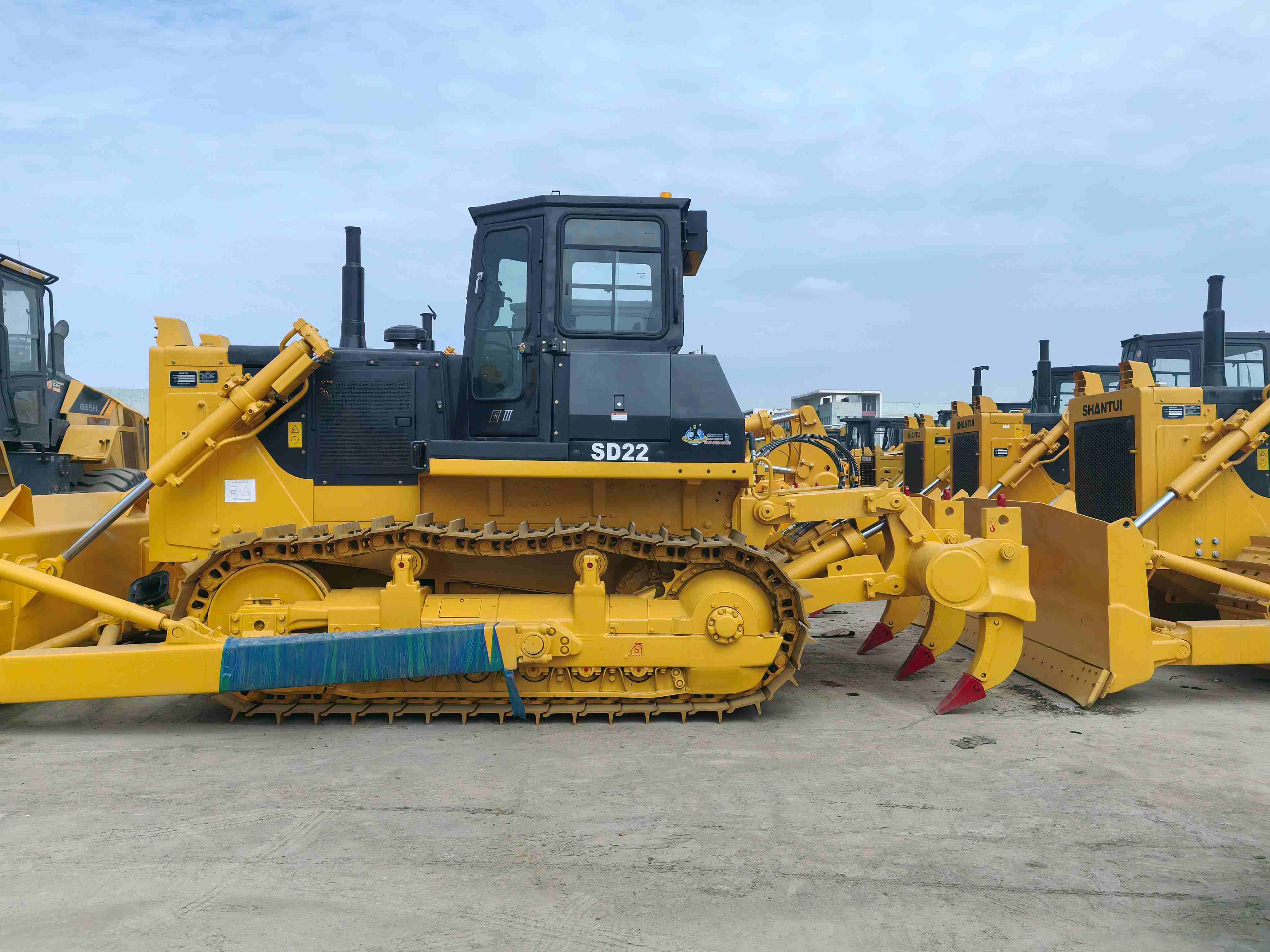
One of the first things to look at is the undercarriage. It's the most expensive part to replace, and wear here can tell you a lot about how the machine was used. Check the track chains, sprockets, idlers, and rollers for excessive wear or damage. If the pins and bushings are worn, you're looking at significant maintenance costs down the line. Also, look for uneven wear patterns—these might indicate alignment issues or operating on slopes.
The engine and hydraulic systems are the heart of the bulldozer. A machine that starts right up from cold without excessive smoke is a good sign, but don't stop there. Listen for odd noises, check for leaks, and make sure the hydraulic cylinders aren't pitted or weeping fluid. Test the blade and ripper function under load if possible; slow or jerky movements could point to pump or valve problems.
Service records are gold when buying used equipment. They give you a window into the bulldozer's past life—regular maintenance or a history of neglect. Look for documented oil changes, filter replacements, and major repairs. A machine without records isn't necessarily a bad buy, but it carries more risk. Combine that with a thorough physical inspection, and you'll have a solid picture of the bulldozer's true condition.
Navigating the Quality Spectrum: From Refurbished to As-Is Machines
When exploring the market for pre-owned equipment, it’s easy to get lost in a sea of labels that seem to promise different things. Words like refurbished, reconditioned, or as-is aren’t just marketing fluff—they signal vastly different levels of risk and reward. A refurbished machine typically has been meticulously tested, repaired if needed, and restored to a near-original state by professionals. You’re paying for peace of mind, often backed by a limited warranty. On the other end, an as-is unit is exactly that: sold in its current condition, with no guarantees, no touch-ups. It might be a diamond in the rough or a complete money pit. Understanding this spectrum is your first step toward a smarter purchase.
The middle ground can be trickier to navigate. Some sellers throw around terms like “certified pre-owned” or “factory reconditioned,” but the real value lies in the transparency of the process. Who did the refurbishment? Were parts replaced with genuine components, or just cleaned up? A good refurbisher documents every step, giving you a clear history. If that paper trail is missing, even a machine labeled refurbished might be closer to as-is than you think. Ask pointed questions: What tests were run? Are there cycles or runtime logs I can see? The more you dig, the clearer it becomes whether you’re buying reliability or a project.
Then there’s the wildcard: as-is machines priced so low they’re tempting. For a hobbyist or a business with in-house repair skills, these can be a goldmine. But don’t let the low sticker price cloud your judgment—factor in potential downtime, parts, and labor. Sometimes the smartest move is to walk away and invest a bit more in a verified refurbished unit that won’t disrupt your workflow. Ultimately, your choice shouldn’t just be about the price tag today, but what that machine will cost you over its remaining life. Navigating this spectrum isn’t about finding the cheapest option; it’s about matching the purchase to your tolerance for surprise.
Cost Breakdown: How Chinese Sellers Keep Prices Competitive
Many assume rock-bottom prices hinge solely on cheap labor, but the reality is far more nuanced. Chinese sellers have mastered the art of squeezing inefficiencies out of every link in the supply chain. From raw material sourcing clusters—where dozens of specialized suppliers operate within a single industrial park—to shared logistics networks that slash per-unit shipping costs, the model thrives on extreme proximity and scale. A factory making smartphone cases, for instance, can source plastic pellets, molds, packaging, and even printing services without materials ever traveling more than a few miles. This hyper-localization eliminates multiple layers of markup seen in longer, fragmented supply chains, giving sellers a structural cost advantage that rivals simply cannot replicate overnight.
Beyond geographic clustering, the true secret lies in how costs are dissected and optimized at a granular level. Packaging becomes a prime target—a practice now nicknamed “skinny design”—where every millimeter of cardboard is calculated to shave off fractions of a cent, which multiply into thousands of dollars saved over millions of units. Likewise, many factories run on razor-thin net margins of just 2–3%, relying on enormous volume to turn a profit. This volume-first mindset reshapes everything: machinery is kept running 24/7 to amortize costs faster, workers are cross-trained to switch between product lines during demand troughs, and even energy consumption is negotiated at bulk industrial rates that dwarf what smaller competitors pay. It’s a world where half a cent saved on a USB cable becomes a competitive weapon.
Then there’s the less visible lever of strategic accounting. Instead of pouring money into branding or end-consumer marketing, many sellers channel funds into things that directly lower unit costs: automated quality-check cameras that catch defects before they become returns, or shared warehousing hubs near international ports where dozens of micro-sellers pool inventory to negotiate faster, cheaper freight. They also treat regulatory costs as a variable to be pre-engineered out—designing products from the start to skip certain tariffs or certifications without compromising function. This isn’t about cutting corners; it’s about re-engineering the whole notion of what a product should cost, often leaving foreign rivals baffled at a price that seems to defy economic gravity.
Insider Tips for Inspecting and Importing with Confidence
Before you commit to a large order, invest time in building a genuine relationship with your supplier. A factory visit or a video walkthrough of their facility can reveal more than any certificate. Look at their production lines, chat with the workers if possible, and observe how they handle quality control. This firsthand insight often prevents costly surprises and gives you a clearer picture of their capabilities and work ethic.
When you can’t be there in person, hire a local inspection service that understands your product category. Be specific about what you need checked—don’t just ask for a generic quality check. Share a detailed checklist that includes materials, functionality, packaging, and any common defect points you’ve encountered before. Clear communication with the inspector makes all the difference, and those detailed reports will become your leverage if something goes off track.
Real-World Success Stories: Fleets That Switched and Saved
When a mid-sized delivery fleet in Ohio decided to swap out its older diesel trucks for hybrid models, the initial skepticism was palpable. Yet within just six months, fuel expenses had dropped by nearly 30%. The drivers appreciated the quieter engines and smoother rides, which made long shifts more comfortable and less fatiguing. This wasn’t just a cosmetic upgrade—the numbers told a story of immediate cost reduction and a happier crew.
Another turning point came for a municipal bus operator in Oregon. They had been wrestling with rising maintenance bills and aging vehicles. After transitioning to a data-driven fleet management platform that optimized routes and monitored idle times, they cut annual fuel consumption by over 10,000 gallons. The real win was the ripple effect: better route scheduling meant less overtime pay and more reliable service for the community. These aren’t just anecdotes; they’re proof that smart switches pay off fast.
FAQ
They offer a solid balance between cost and capability, often with lower prices than similar machines from other regions, while still delivering reliable performance for many construction and earthmoving tasks.
Always request detailed service records, recent inspection reports, and clear photos or videos of the machine in operation. If possible, have a trusted local mechanic or third-party inspector check it before you commit.
Yes, generally. Lower labor costs and a competitive domestic market keep prices down. Even after adding shipping and import duties, the total cost often beats what you'd pay locally or from other countries.
Be cautious about hidden damage, inconsistent maintenance, or machines that have been repainted to look newer. Verify the seller's reputation and get everything in writing, including return policies and warranty details if any.
You'll find plenty of well-known names like Caterpillar, Komatsu, and Shantui, as well as local favorites such as XCMG and LiuGong, covering a wide range of sizes and ages.
Most exporters can handle shipping for you, but it's smart to get quotes from a few freight forwarders. Make sure you understand the incoterms, insurance, and any port fees at your destination before finalizing the deal.
Conclusion
Across construction sites from Southeast Asia to Africa, fleets are turning to Chinese used bulldozers not just for their sticker price, but for a compelling blend of rugged dependability and sensible economics. The growing traction isn't accidental—it stems from a market that has matured rapidly, offering machines that have often logged limited hours in domestic infrastructure projects before being meticulously refreshed. Yet, buying well means looking past shiny paint. A savvy buyer weighs engine life, undercarriage wear, and hydraulic integrity against the seller's refurbishment standards, recognizing that the real value lies in a machine's structural bones, not its cosmetic sheen. The quality range is broad: some units receive factory-grade overhauls with new pumps, rollers, and seals—virtually resetting their service life—while others are sold as-is, warts and all, for the hands-on operator willing to invest their own elbow grease.
What truly sets Chinese suppliers apart is a cost structure that leverages domestic parts ecosystems and efficient reassembly lines, slashing prices without gutting capability. A mid-sized dozer that would command six figures new often lands at a third of that after a thorough reconditioning, with money left over for shipping and import duties. Smart importers don't rely on catalog photos alone; they insist on live video inspections of key stress points, request fluid analysis reports, and build relationships with agents who know the difference between a fresh decal job and genuine mechanical integrity. The proof is in the dirt: contractors who swapped aging Western iron for Chinese rebuilds report not only 40–60% upfront savings but also surprisingly straightforward parts availability, turning one-off purchases into long-term fleet strategies.
Contact Us
Contact Person: Sally Xiao
Email: [email protected]
Tel/WhatsApp: 086-18221477398
Website: http://www.shjiliangchi.com/