

China New Chemical Materials Trade: Unveiling Growth Trends and Strategic Opportunities
2026-05-21
China's new chemical materials sector is rapidly reshaping global trade dynamics, yet many overlook the strategic shifts driving this transformation. As demand soars and supply chains evolve, what opportunities lie hidden in the latest market data? At ICIF, we've tracked these trends closely, uncovering the forces that will define the next wave of growth. Join us as we peel back the layers of this complex industry and reveal where the smart money is heading.
China’s Specialty Chemicals Surge: A Look Beyond the Headlines
The narrative around China’s chemical sector often fixates on raw capacity numbers and price competition, but the specialty chemicals segment tells a more nuanced story. Over the past decade, a deliberate shift toward higher-value, application-driven products has quietly reshaped the landscape. This isn’t merely about making more; it’s about making things that require deep technical know-how—electronic-grade materials, advanced polymer additives, and catalysts that underpin everything from electric vehicle batteries to pharmaceutical synthesis. Domestic firms, once dismissed as fast followers, are now investing heavily in proprietary R&D, often in partnership with local universities and research institutes, to move beyond commoditized offerings.
What’s driving this surge is a confluence of industrial policy, downstream demand, and a maturing innovation ecosystem. Beijing’s push for self-sufficiency in critical materials has funneled patient capital into pilot-scale projects and niche applications that multinationals might overlook. Meanwhile, local manufacturers of semiconductors, displays, and new energy vehicles have grown large enough to demand customized chemical solutions at a scale that justifies dedicated local supply chains. The result is a growing number of Chinese specialty chemical companies that no longer compete purely on price but on performance, consistency, and the ability to co-develop solutions with their customers—a capability that was once the exclusive domain of Western and Japanese incumbents.
Yet the picture is far from uniform. Success stories in agrochemical intermediates or synthetic food additives coexist with overcrowded segments where differentiation is still elusive. Environmental regulations, increasingly enforced, are also reshaping the field: small, polluting producers are being squeezed out, creating opportunities for larger players with cleaner technologies to consolidate share. The real question is whether this specialty surge can sustain its momentum as global trade tensions and technological decoupling complicate access to both markets and cutting-edge equipment. Looking beyond the headline growth figures reveals a sector at a crossroads, where the strategic choices made now will determine which companies become enduring global players and which remain tethered to the boom-and-bust cycles of the past.
The Battery Material Bonanza: How EV Demand Transforms Flows
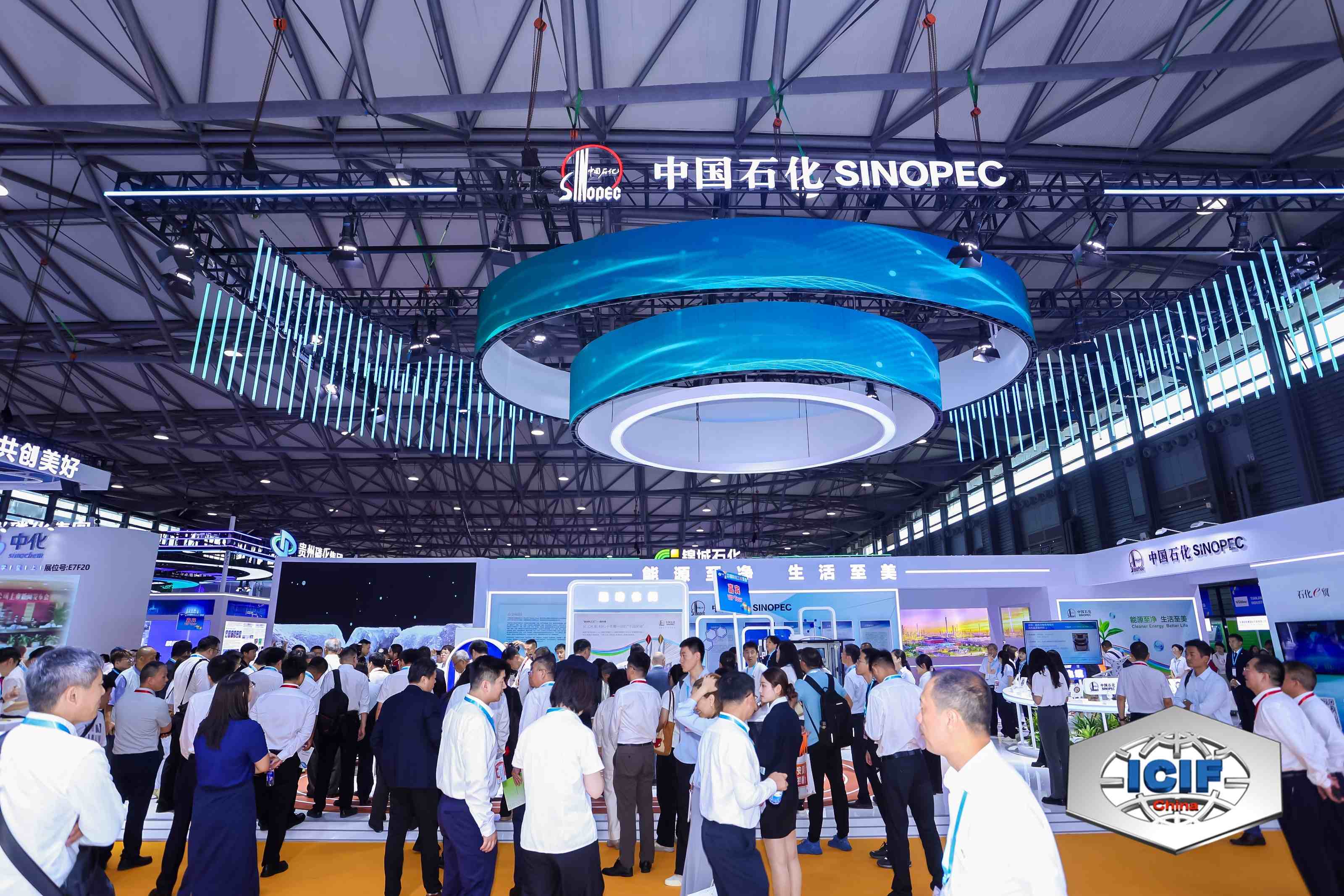
The surge in electric vehicle adoption is fundamentally reshaping global commodity flows, creating a modern-day gold rush for battery materials. Lithium, cobalt, nickel, and graphite—once niche industrial commodities—have vaulted to the forefront of resource markets, with demand trajectories that outstrip conventional supply chains. Mining operations from the salt flats of South America to the rainforests of the Congo are being scaled at breakneck speed, while recycling networks are still in their infancy. This shift isn't merely a matter of volume; it's altering trade routes and geopolitics, as nations jostle for control over the raw materials that will power the energy transition.
The transformation ripples far beyond the mine. Processing and refining capacity is undergoing a dramatic relocation, with China currently dominating but other regions scrambling to build strategic independence. Chemical plants that once produced fertilizer are being retooled to generate battery-grade compounds, and shipping lanes are being recalibrated to accommodate new trade flows. These material flows are now a critical variable in the clean-energy equation, influencing everything from vehicle prices to national industrial policies. The race isn't just for the raw ore, but for the entire value chain that converts it into cathodes and anodes ready for gigafactories.
Meanwhile, this bonanza is forcing a reckoning with sustainability. The very materials meant to decarbonize transportation carry their own environmental and social costs, from water depletion in arid mining regions to labor conditions in artisanal cobalt operations. In response, automakers are forging direct sourcing agreements and investing in traceability technologies, while researchers push for breakthroughs in solid-state batteries and sodium-ion alternatives. How these flows evolve will determine not only the pace of electrification but also the integrity of the broader green economy, making the battery material story one of high stakes and hard choices.
Overcapacity Quandaries and the Export-Driven Solution
Factories running at half speed, warehouses brimming with unsold goods, and balance sheets bleeding red — this is the silent crisis of overcapacity that haunts many industries. When production lines built for booming demand suddenly face a market that can't absorb their output, companies find themselves trapped between fixed costs that don't budge and prices that nosedive. The instinct to slash prices often only deepens the wound, triggering a race to the bottom that erodes margins without addressing the root cause. It's a quandary that demands more than belt-tightening; it requires a strategic pivot toward fresh demand pools.
One compelling path out of this quagmire lies in looking beyond domestic horizons. Export-driven strategies can transform excess capacity from a liability into a competitive weapon, channeling surplus production toward markets where demand remains robust. This isn't merely about offloading excess stock — it's about repositioning products for new consumer bases, adapting to local tastes, and building distribution networks that convert one-off sales into sustained presence. The challenge, of course, lies in navigating trade barriers, currency fluctuations, and the steep learning curve of unfamiliar business cultures.
Yet the most resilient exporters treat overcapacity not as a temporary headache but as a catalyst for lasting improvement. They use international exposure to upgrade quality standards, streamline logistics, and even discover adjacent product opportunities that the home market never revealed. By integrating export thinking into their core operations, companies can build a flexible supply chain that expands and contracts with global demand rhythms, turning the overcapacity quandary into a launchpad for diversified growth.
Trade Policy Tangles: Tariffs, Standards, and Strategic Responses
The modern trade landscape increasingly resembles a knot of conflicting rules, where traditional tariff disputes are woven together with less visible but equally powerful regulatory barriers. Governments no longer simply raise or lower duties; they shape markets through divergent product standards, testing requirements, and environmental regulations. A steel tariff might grab headlines, but a quietly revised safety certification or a new packaging rule can redirect supply chains more permanently. Companies navigating this terrain find that compliance is no longer a back-office function—it is a frontline strategic challenge.
Behind many flare-ups over border taxes lies a deeper friction over whose norms will govern global production. When one major economy mandates stricter emissions reporting or bans certain chemical inputs, trading partners often view it as disguised protectionism. The resulting tangles force businesses to rethink sourcing and design products for multiple regulatory environments. Some respond by duplicating supply chains, others by investing in traceability technology, and a few simply absorb the added cost. The strategic winners are those who treat these policy knots not as temporary nuisances but as permanent features that can be turned into competitive advantages through early adaptation and influence on emerging rules.
Faced with this complexity, strategic responses range from defensive lobbying to proactive innovation. Some firms push for mutual recognition agreements to reduce duplication, while others quietly restructure operations to qualify for preferential treatment under new trade arrangements. Forward-thinking companies are embedding policy risk into investment decisions, factoring in not just current tariff levels but the trajectory of regulatory divergence. The goal is resilience: building the capacity to shift production, reroute shipments, or redesign products quickly when the next trade tangle tightens. In this environment, the line between trade policy and corporate strategy has all but disappeared.
R&D to ROI: The Commercialization Journey of Advanced Materials
Transforming a breakthrough in advanced materials from a lab-scale curiosity into a market-ready product demands more than just technical prowess. It requires a deliberate orchestration of testing, scaling, and market validation—often under intense pressure to demonstrate a clear path to profitability. Early-stage prototypes rarely survive first contact with manufacturing realities, where factors like batch consistency, raw material availability, and cost per unit can derail even the most promising innovations. Smart teams embed ROI thinking from day one, mapping performance thresholds against what end-users are genuinely willing to pay, rather than chasing hypothetical performance ceilings.
The middle stretch of the journey is where many advanced materials stall. Pilot production exposes hidden flaws—perhaps a coating that degrades too quickly under real-world UV exposure, or a lightweight composite that fractures under unexpected load patterns. Iteration becomes essential, but it’s equally critical to resist the urge to perfect the material before engaging potential customers. Co-development partnerships, even with early adopters, can sharpen the value proposition and trim months off the timeline. At this stage, intellectual property strategy, regulatory navigation, and supply chain design start to carry as much weight as the material’s tensile strength or conductivity.
Reaching the commercialization milestone doesn’t guarantee sustained returns. The true ROI of advanced materials often accrues over time, as integration into complex products—from electric vehicle batteries to medical devices—unfolds across multiple sales cycles. Post-launch, the focus shifts to manufacturing yield optimization, customer-driven tweaks, and defending against commoditization. Companies that treat commercialization not as a linear finish line but as an ongoing cycle of feedback and refinement are the ones that turn initial revenues into durable competitive advantage.
Building Resilient Supply Chains for a Greener Chemical Future
The chemical industry stands at a crossroads, where the imperative for environmental responsibility collides with the fragility of global supply networks. To build resilience while advancing greener practices, companies must move beyond incremental improvements and embrace fundamentally new approaches. This means diversifying sourcing not just geographically, but also by incorporating renewable and recycled feedstocks, thereby insulating operations from regional disruptions and price volatility. At the same time, investments in modular, energy-efficient production technologies can reduce the carbon footprint while enabling more agile responses to demand shifts. The path forward requires seeing sustainability not as a constraint, but as a catalyst for creating supply chains that are both robust and regenerative.
Digitalization plays a pivotal role in this transformation. Advanced analytics and real-time monitoring across the value chain allow firms to anticipate bottlenecks, optimize logistics, and minimize waste. By sharing data transparently with suppliers and customers, chemical manufacturers can collaboratively manage risks and accelerate the adoption of circular economy principles. For instance, tracking material flows through blockchain or other distributed ledger tools can verify the provenance of sustainable inputs, building trust without sacrificing efficiency. These digital threads weave resilience into the fabric of operations, turning supply chain visibility into a strategic asset rather than a compliance checkbox.
Partnerships that transcend traditional industry boundaries are proving essential. Cross-sector collaborations—with waste management firms, renewable energy providers, logistics innovators, and even competitors—can unlock shared infrastructure and scale circular solutions that no single entity could achieve alone. Joint investments in chemical recycling facilities, for example, help secure a steady stream of secondary raw materials while reducing dependence on virgin fossil resources. Such ecosystems not only distribute risk but also spark the kind of collective intelligence that drives continuous improvement. By forging these unconventional alliances, the chemical sector can construct supply networks that are leaner, cleaner, and inherently more adaptive to whatever challenges lie ahead.
FAQ
Several forces are converging to drive this growth. Rapid industrialization, particularly in electronics and new energy vehicles, creates relentless demand for advanced polymers, composites, and specialty chemicals. Government initiatives like 'Made in China 2025' prioritize self-sufficiency in high-tech materials, spurring domestic production and import substitution. Additionally, supply chain shifts and regional trade agreements have opened new export corridors, while foreign partnerships bring in technology and capital.
High-performance fibers, engineering plastics, and electronic chemicals lead the pack. Carbon fiber and aramid are critical for aerospace and automotive lightweighting. Polyimide and liquid crystal polymers are indispensable for 5G and flexible displays. Battery materials—cathode precursors, electrolytes—ride the electric vehicle wave. Bio-based and biodegradable polymers are also gaining traction as sustainability mandates tighten.
Navigating China's regulatory landscape demands agility. The evolving Chemical Environmental Risk Control framework imposes stricter registration and testing requirements. Preferential policies in free trade zones ease customs procedures but often tie benefits to technology transfer or joint ventures. Intellectual property protection has improved, yet enforcement varies regionally. Success hinges on deep local partnerships and proactive compliance strategies.
Rather than simple import-export models, leading firms are embedding themselves in local innovation ecosystems. This includes co-developing formulations with downstream manufacturers, setting up application labs in industrial clusters, and acquiring niche domestic producers to leapfrog market entry. Some are repurposing existing petrochemical assets to produce higher-margin specialty materials, leveraging China's cost advantages while climbing the value chain.
The underappreciated opportunity lies in mid-stream processing and service layers. Custom compounding, 3D printing filament production, and materials testing labs are fragmented sectors ripe for consolidation. Meanwhile, second- and third-tier cities offer lower operational costs with improving logistics, often overlooked by multinationals fixated on coastal hubs. Materials for hydrogen energy and carbon capture also represent long-horizon bets worth early positioning.
Overcapacity in commoditized specialties can erode margins quickly; differentiation is essential. Geopolitical tensions threaten technology access and export controls on advanced materials. Currency volatility and sudden policy shifts—like environmental crackdowns that idle capacity—introduce sharp cyclicality. Due diligence on counterparties is critical given uneven corporate governance standards among smaller firms.
Consider a European engineering plastics producer that shifted from selling pellets to co-engineering lightweight battery housings with Chinese EV makers. By embedding engineers in customer R&D centers and utilizing local graphene-modified resins, they achieved a 40% weight reduction compared to metal, securing a multi-year contract. This collaborative model turned regulatory localization pressures into a competitive moat, with regional sales tripling over four years.
Conclusion
China's chemical industry is undergoing a profound transformation, pivoting from bulk commodities to high-value specialty chemicals. This shift transcends mere production volumes, as companies aggressively invest in advanced materials to capture growing domestic and global demand. The electric vehicle revolution, in particular, is reshaping trade flows, with battery materials like lithium compounds and cathode precursors now dominating export portfolios. This surge reflects not only market pull but also strategic positioning within clean energy supply chains.
However, rapid capacity expansion has led to intense overcapacity, making exports a critical release valve. Chinese firms are navigating complex trade policy tangles, including shifting tariffs and stringent technical standards, forcing adaptive strategies such as overseas plant setups and R&D collaborations. The critical leap from laboratory innovation to commercial ROI is being bridged by sharper focus on scale-up engineering and application development. Ultimately, building resilient, transparent supply chains aligned with sustainability goals will define long-term competitiveness, forging a greener chemical future where China's advanced materials play an indispensable role.
Contact Us
Contact Person: Shaozhen Zhou
Email: [email protected]
Tel/WhatsApp: 0086-18612117599
Website: https://en.icif.cn/