

Bulk Environment Friendly Canvas Shopping Bags for Sustainable Retail and Grocery Use
2026-11-16
Picture your store's checkout counter: instead of flimsy plastic that ends up in landfills, customers leave with durable, reusable canvas bags that carry your brand far beyond the parking lot. For sustainable retail and grocery operations, switching to bulk environment friendly canvas shopping bags isn't just a green upgrade—it's a smart business move. At Top Packaging, we understand that eco-conscious shoppers expect more than good intentions; they want strength, style, and a story worth repeating. This guide explores how buying canvas bags in bulk can lower costs, reduce waste, and turn every purchase into a walking advertisement for your commitment to the planet.
Why Sturdy Canvas Totes Beat Flimsy Reusable Bags at the Checkout
A flimsy bag might survive a few light trips, but the moment you toss in a carton of milk or a jar of pasta sauce, the handles start to dig into your palm and the fabric stretches at the seams. Sturdy canvas, by contrast, holds its shape under pressure. The weave is dense enough to keep sharp corners from poking through, and the bottom panel is usually reinforced. That means no more racing to your car with a bag that's about to split down the middle.
At the register, a single canvas tote can replace three or four thin polypropylene bags because it actually carries the weight without sagging to the floor. You can pile in canned goods, a half-gallon of juice, and a bunch of celery, and the handles won't snap or twist into a painful rope. This also speeds up unloading at home: you make fewer trips from the car, and nothing rolls out through a torn seam.
There's also the quiet satisfaction of reaching for the same tote week after week. The cheap bags often end up forgotten in a drawer after one broken handle makes you distrust them. A good canvas tote gets softer with use but doesn't lose its toughness. It might cost a bit more upfront, but you're not repeatedly buying replacements that fail before the season ends. That kind of reliability is what really makes checkout less stressful.
Choosing Between Organic Cotton and Recycled Canvas for Your Store
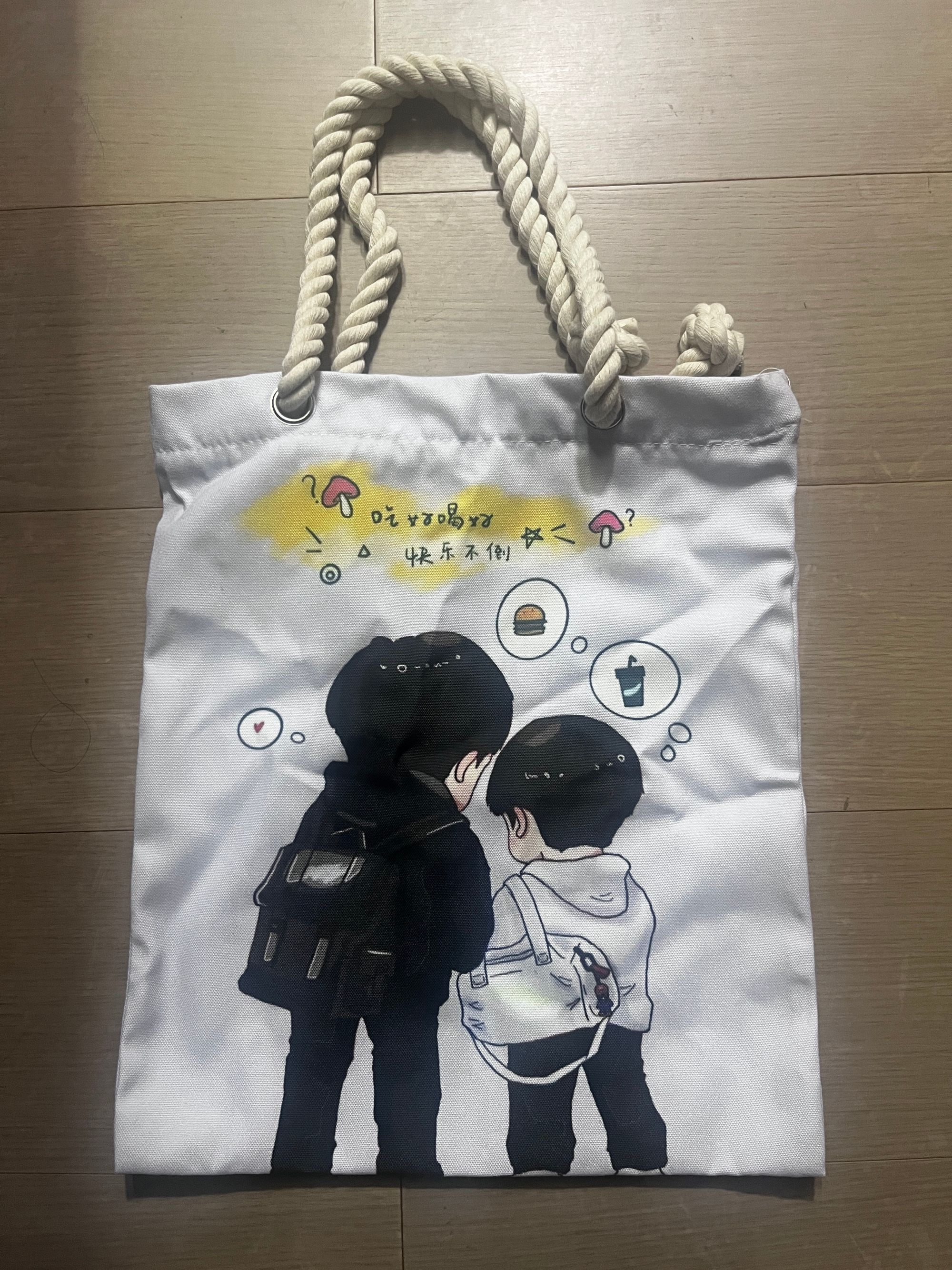
When you're stocking fabric goods, the organic cotton versus recycled canvas debate often comes down to feel and story. Organic cotton brings a softness that customers notice the moment they touch it, ideal for apparel or anything worn close to the skin. Recycled canvas, on the other hand, offers a rugged, structured texture that holds up to daily abuse—think totes, aprons, or outdoor accessories. Your store's existing product mix should guide which material feels more at home on the shelf.
Price and sourcing transparency play a bigger role than most shop owners expect. Organic cotton carries certification costs and usually a higher wholesale price, but it appeals to buyers who value farming practices and chemical-free processing. Recycled canvas often comes from post-industrial or post-consumer waste, which can lower raw material costs, though the recycling process itself may use more energy. Ask your supplier for the full chain—where the cotton was grown or what the canvas was before it became your inventory.
Rather than picking a universal winner, consider offering a small run of both and watching how customers react. Some stores find organic cotton sells better in spring and summer, while recycled canvas moves in fall and winter when durability matters more. Listen to the questions shoppers ask: if they keep asking about water usage or landfill diversion, that's your inventory signal. Ultimately, the better choice is the one your specific customers keep coming back to buy.
The Real Savings Behind Bulk Canvas Bag Orders Beyond the Unit Price
The sticker price on a bulk canvas bag order rarely tells the whole story. While comparing per-unit costs is easy, the genuine savings often hide in places that never appear on a supplier's invoice. Think about the time your team spends reordering every few weeks, the rush shipping fees that come with running low on stock, or the inconsistent branding that confuses customers. Bundling a larger order upfront removes those recurring operational costs and lets you lock in a price that shields you from sudden material surcharges or freight spikes. Over a year, those quiet savings can easily outpace the difference between two competing quotes.
There's also a less obvious financial benefit tied to how these bags are actually used. A thicker, well-constructed canvas bag ordered in volume tends to last through hundreds of trips, which means fewer replacements and fewer unhappy recipients demanding a refund or a reprint. When you buy a higher quantity at once, manufacturers can run longer, more efficient production cycles, and some of that efficiency comes back to you in the form of free screen setup, waived plate fees, or included shipping insurance. These aren't line items you can negotiate individually, but they show up as real money staying in your account.
Finally, consider the carrying cost of running out. A store that hands out flimsy plastic bags because the canvas stock ran dry loses the marketing value of every customer who walks out the door. Bulk ordering keeps your brand visible during the gap between reorders, and it lets you offer the bag as a free add-on without hesitation. The real savings, then, isn't just about paying less per bag. It's about removing the hidden friction of small, repeated purchases and turning a simple tote into a reliable, always-available workhorse for your business.
Design Details That Make Canvas Bags Comfortable for Heavy Grocery Loads
The first thing you notice with a comfortable canvas bag is the strap design. Instead of the thin, unpadded strips that cut into your palm halfway home, well-made bags use either a broad cotton webbing or a padded sleeve over the strap. This spreads the weight of a full grocery run across a larger surface, so a gallon of milk and two cans of beans don't leave a red groove across your shoulder. The padding needs to be firm enough not to flatten out, but soft enough that it conforms to your grip or collarbone when you switch from hand carry to shoulder carry.
Handle length and drop matter just as much as padding. A drop that's too short forces you to carry the bag with a bent elbow, which gets tiring when the load is heavy. A longer drop lets you sling the straps over your shoulder and keep the bag close to your side, reducing the sway that can throw off your balance on a walk back from the store. The attachment points are usually reinforced with bar-tack stitching or a folded gusset at the top edge, so the weight of the bag pulls against canvas instead of a single line of thread.
The bottom of the bag is where heavy items do the most damage. A flat, reinforced base keeps cans and jars from poking into the corners and wearing through the fabric. Many designs add a double layer of canvas or a lightweight plastic insert that helps the bag sit upright while you load it at the checkout. Side gussets give the bag a three-dimensional shape when full, which prevents groceries from piling into a hard lump against your hip. These details don't add much weight to the empty bag, but they change how the load feels when you're carrying ten pounds or more.
Custom Printed Canvas Bags That Customers Reach for Again and Again
A well-made canvas bag has a quiet way of becoming part of someone's daily rhythm. The fabric softens without fraying, the handles settle into a comfortable grip, and the print stays sharp even after months of being tossed into car trunks, bike baskets, and overhead bins. That kind of staying power isn't accidental—it comes from using heavyweight cotton, reinforced stitching, and inks that bond with the fibers instead of sitting on top.
What really keeps people reaching for the same bag is the balance between visual appeal and practical detail. A print that feels personal or clever turns an ordinary carryall into a small piece of self-expression, while a gusseted bottom or an interior pocket makes the bag genuinely useful for groceries, gym clothes, or a laptop. When both sides work together, the bag stops being a freebie and starts being a favorite.
Custom orders tend to earn that loyalty even faster. Whether it's a neighborhood market, a boutique, or a team event, the design comes from someone who knows exactly what the bag will carry and who will carry it. That sense of intention shows up in the final product, and it's why the bag gets pulled off the hook again and again.
Simple Care Routines That Keep Canvas Bags in Service for Years
Most canvas bags don't need a full wash every week. Start by turning the bag inside out and giving it a few firm shakes over the trash to remove crumbs and dust. For everyday smudges, dip a soft cloth in cold water mixed with a drop of mild dish soap, then gently blot the spot. Rinse the cloth with clean water and wipe again so no soap remains. If you do this before dirt settles into the weave, the bag will stay fresh without harsh scrubbing.
When a deeper clean is truly needed, skip the machine unless the label clearly says it is safe. Instead, fill a basin with cool water and a tiny amount of gentle detergent. Submerge the bag, swish it around for a minute or two, then drain and refill with clean water until the rinse runs clear. Never wring the fabric hard. Press out excess water between two dry towels, then reshape the bag and let it air dry flat or hanging in a shaded spot. Direct sun can fade colors and stiffen the fibers over time.
Treat stains as soon as you notice them. A paste of baking soda and water works well on oily marks. Apply it with an old toothbrush, let it sit for fifteen minutes, then rinse thoroughly and air dry. For ink or wine, blot with a cloth dampened in white vinegar before the stain sets. Keep a small stain stick in your bag if you use it daily. This kind of small, consistent attention is what keeps a canvas bag looking good enough to carry for years.
FAQ
They are made from sturdy, reusable canvas that holds heavy items without tearing, so you don't end up with flimsy plastic bags that split before you reach the car.
Absolutely. The fabric is thick and the stitching is reinforced, which means they can carry a full load of jars, cans, and bottles without the handles digging into your hands.
Yes, they're designed for high-traffic retail environments. Because they are bulk-packed and durable, stores can keep them at the checkout counter and customers will reuse them for months.
They keep their shape reasonably well. You can fold them flat or roll them up, and when you unfold them, the canvas doesn't get permanent creases that weaken the fabric.
The natural canvas material is fairly resistant to small spills. If something leaks, you can rinse the bag and let it air dry, and it won't fall apart or smell musty.
Buying in bulk lowers the cost per bag, which lets you either sell them at a small markup or give them away as a loyalty perk without eating into your profits.
They handle a gentle machine wash well. Just toss them in with cold water and mild detergent, then let them air dry to maintain the fabric's strength and color.
The canvas weave is denser than many thin cotton totes, so it resists stretching and snagging. You'll notice they don't develop holes at the bottom corners after a few weeks of use.
Conclusion
Canvas totes have earned their place at the register for reasons that go far beyond good intentions. A sturdy, tightly woven bag handles the awkward weight of milk jugs and canned goods without the dreaded seam split that plagues flimsy reusable options. Retailers adding these to their shelves quickly notice the difference: shoppers don't just accept a canvas bag, they reuse it, toss it in the car, and pull it out for the next grocery run. Choosing between organic cotton and recycled canvas shapes the story you tell. Organic cotton speaks to a cleaner growing process, while recycled canvas turns textile waste into everyday utility. Both hold up under daily use, but the real savings come when you order in bulk. The unit price drops, of course, yet the hidden value is lower replacement rates and fewer frustrated customers at checkout.
Comfort and design turn a simple tote into a favorite. Wide, reinforced handles stop the dig into palms when the bag is loaded with bottles and produce. A flat bottom keeps the bag upright in the trunk or on the conveyor belt. Custom printing that uses durable, water-based inks won't crack or fade after a few trips, so your brand stays visible long after the first purchase. Customers reach for bags that look good and feel right — they become the ones hanging by the door, not forgotten in a drawer. Simple care keeps them in service for years: a cold wash, line dry, and the occasional spot clean remove the stains of spilled greens or leaking containers. There's no special treatment needed, just common sense. When a store stocks bulk canvas bags with thoughtful details and honest materials, it isn't selling a one-time product. It's offering a tool that quietly replaces hundreds of plastic bags and builds a habit customers trust.
Contact Us
Contact Person: Shelly
Email: [email protected]
Tel/WhatsApp: 86-577-64286522
Website: https://www.topmovingpad.com/