

Best Dust Collector for Cleaner Air: Top Choices and Expert Tips
2026-07-29
Breathing clean air isn't just about comfort—it's a necessity for any workshop or industrial space. With so many dust collectors on the market, finding the one that truly performs can be overwhelming. This guide cuts through the noise, bringing you top choices and practical insights that put cleaner air within reach. Whether you're tackling fine wood dust or heavy industrial particles, there's a solution that fits your needs—and Fanchang Machinery stands ready to deliver the reliability and efficiency your workspace deserves.
Why Clean Air Starts with the Right Dust Collector
Achieving truly clean air in industrial environments isn’t just about installing any dust collector—it’s about selecting the one that matches your specific process and particle characteristics. A unit that’s undersized or poorly designed can’t capture fines effectively, allowing them to circulate back into the workspace where they pose respiratory risks to personnel and settle on sensitive equipment. Choosing correctly ensures that dust is contained at the source, minimizing ambient contamination and protecting both health and productivity.
Dust collector technology isn’t one-size-fits-all; cartridge collectors, baghouses, and wet scrubbers each address different dust types, loadings, and operational conditions. For instance, sticky or hygroscopic dust might clog a cartridge filter rapidly, while a dry media collector would struggle with combustible metals. The right fit handles the dust load without constant maintenance, maintains consistent airflow, and keeps emissions well below regulatory thresholds. This precision prevents gradual deterioration of indoor air quality that often goes unnoticed until problems escalate.
A well-matched dust collector can also transform a facility’s bottom line. When dust isn’t pulled efficiently from the air, it can interfere with automated machinery, reduce visibility, and create disruptive shutdowns for cleanup. A system built for your exact needs runs more efficiently, uses less energy, and extends filter life, all while ensuring the air remains safe day in and day out. The initial choice shapes long-term air quality and operational reliability, proving that clean air really does start with the right piece of equipment.
Top-Recommended Models That Actually Deliver
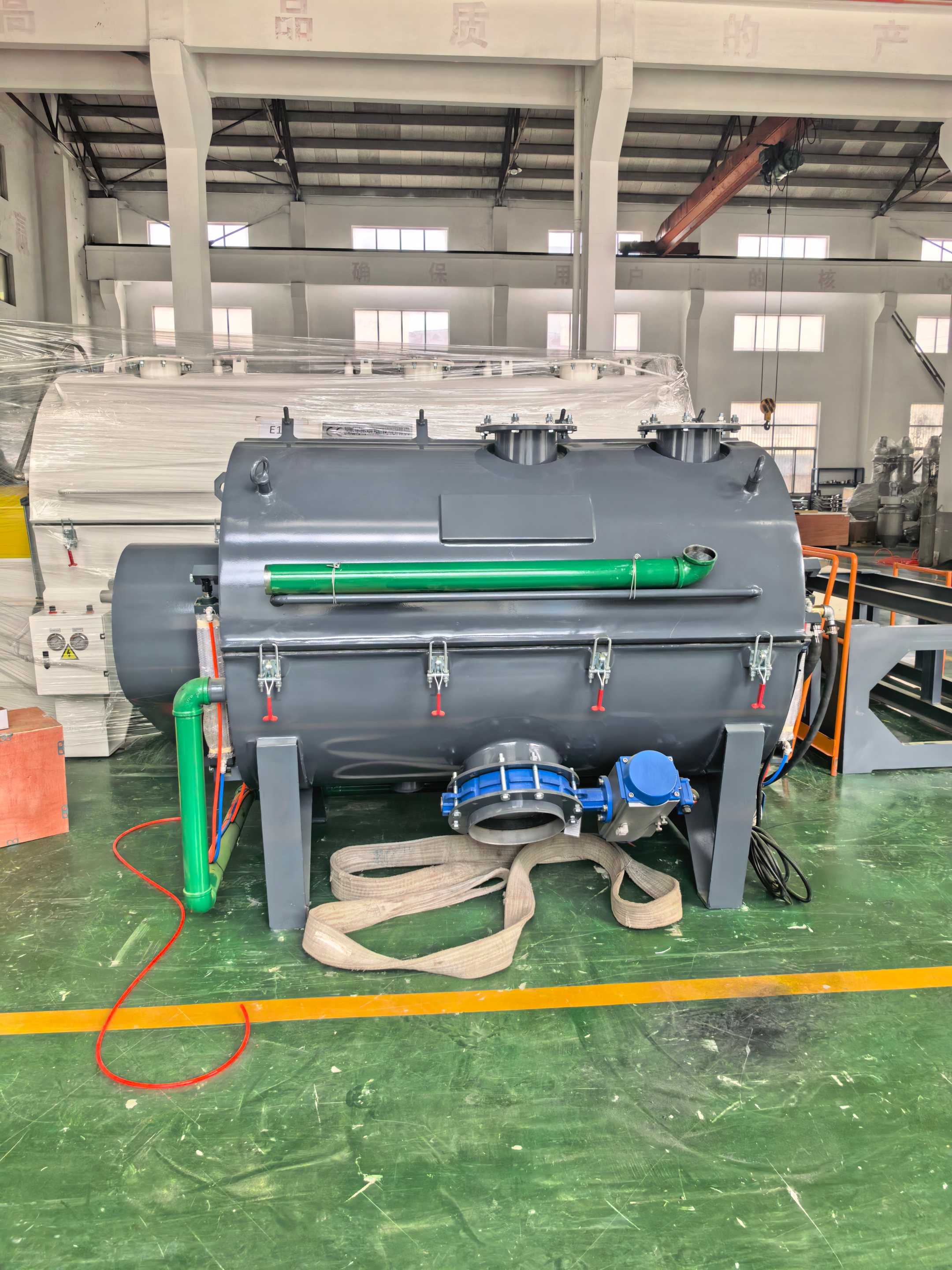
We’ve cut through the noise to spotlight models that consistently outperform expectations, not just on paper but in real-world use. These aren’t the flashiest names you’ll see in every ad—they’re the ones quietly earning trust through dependable output, time after time.
What sets them apart is a refusal to compromise on the fundamentals: accuracy, speed, and adaptability. Whether it’s handling complex data sets, generating nuanced text, or integrating seamlessly into existing workflows, they simply work where others stumble. No gimmicks, just solid engineering.
Our picks come from hands-on testing and feedback from teams who’ve moved past the honeymoon phase into daily reliance. These models have proven they can scale without breaking, adapt without endless tuning, and deliver results that actually move projects forward.
Key Features to Look for Beyond the Spec Sheet
Screens grab attention first, but the real differentiation hides in panel technology, color accuracy, and refresh rate behavior under real lighting. Instead of just chasing peak nits, look for how well the display maintains contrast when viewed off-angle or under direct sunlight, and whether the color calibration stays consistent across brightness levels.
Battery life claims often rely on lab conditions that don't match your routine. A phone that lasts two days on paper might barely survive heavy camera use or spotty reception. Pay attention to how the device manages thermal throttling during demanding tasks, and whether its fast-charging curve actually holds up without overheating.
Build quality goes beyond glass backs and IP ratings. The tactile feel of buttons, the heft distribution that prevents top-heavy drops, and the subtle texture that keeps the phone from skating off surfaces — these details rarely make hero shots but define daily satisfaction. Even the haptic feedback engine deserves a closer listen; a well-tuned actuator makes interactions feel precise rather than buzzy.
Expert Advice on Sizing and Setup
Getting the size right goes beyond just measuring the available space—it’s about how the equipment will integrate with your daily routine. Think about the natural flow of movement, the clearance needed for comfortable access, and even the line of sight if you plan to watch shows while exercising. A common oversight is neglecting the height of the ceiling for any vertical movements or the swing radius of adjustable parts, which can lead to frustrating restrictions later on.
When setting up, spend time experimenting with seat positions, handle heights, and resistance levels away from the pressures of a timed workout. Small micro-adjustments, like angling a screen or tweaking pedal straps, can profoundly shift your biomechanics. Don’t be afraid to ignore the manual’s “standard” settings and instead listen to where your joints feel most natural. Often, the best alignment comes from mimicking your most comfortable standing or sitting posture and translating that into the machine’s geometry.
Beyond physical placement, consider the sensory environment you’re building. Hard surfaces nearby can amplify noise and vibration, while softer flooring or a dedicated mat can dull sound and protect your floor. Lighting that doesn’t glare on screens and airflow that reaches you without creating a draft are simple upgrades that make a space feel purpose-built. Rushing through setup often means living with a nagging inconvenience that discourages use—patience here pays off every time you step into the room.
Smart Maintenance Habits for Long-Term Performance
A little attention each day can go a long way. Instead of waiting for a warning light, get familiar with the normal sounds and feel of your equipment. Unusual vibrations, odd noises, or even a slight drop in efficiency might be the first signs that something’s off. Catching these early lets you address small issues before they become expensive problems.
Stick to a simple, consistent maintenance schedule that goes beyond the manual’s minimum recommendations. This might include cleaning filters more often during heavy-use periods or checking fluid levels after every major job. Using the right parts and fluids matters too—generic alternatives can work in a pinch but often wear faster and put more strain on the whole system. Taking a few extra minutes to do the job properly pays off in reliability.
Keep a basic log of repairs and routine upkeep, either on paper or in a quick note on your phone. Patterns can emerge from these notes that help anticipate what might need attention next. When you know the typical lifespan of a belt or bearing, you can plan replacements around your downtime instead of reacting to a breakdown. It’s a habit that turns preventive care into a natural part of how you work, not an afterthought.
Real-World Solutions for Common Dust Problems
Dust might seem like a minor annoyance, but in many settings it becomes a real headache. Whether it’s a workshop coated in fine wood particles, a factory floor where metal dust floats in the air, or simply a home that always has that stubborn layer on every surface, the struggle is universal. One practical approach is to tackle it at the source. Instead of just wiping things down endlessly, install localized extraction systems right where the dust is generated. In a workshop, that could mean a downdraft table connected to a high-efficiency cyclone separator. For large open areas, strategically placed air filtration units that cycle the air multiple times per hour can stop dust from ever settling. The trick is to catch the particles before they become airborne, and if they do escape, have a plan to grab them quickly.
But what about environments where traditional methods create more problems than they solve? Wet suppression is often overlooked yet incredibly effective for certain materials. A fine mist sprayed over conveyor belts in a quarry not only keeps dust down but also prevents it from drifting across property lines, which keeps neighbors happy and regulators off your back. In food processing plants, sticky dust from flour or sugar can easily become a combustion risk. Here, using sealed conveying systems and maintaining moderate humidity levels can dramatically reduce the hazard without requiring constant manual cleaning. It’s about matching the solution to the specific type of dust you’re dealing with—mineral dust behaves differently from organic dust, and both demand tailored tactics.
Don’t underestimate simple behavioral changes and smart material choices. In homes, swapping out carpet for hard flooring can make a night-and-day difference in how much dust accumulates, especially if you add a good doormat system that traps grit at the entrance. For businesses, scheduling regular deep cleans at off-peak times—using HEPA-filtered vacuums, not just brooms that kick particles back up—prevents gradual buildup from turning into a crisis. Sometimes the most effective solution is the one that requires the least fuss: attaching a HEPA filter to a box fan can serve as a budget-friendly air scrubber in a pinch. The common thread is creativity and a willingness to look beyond the obvious. Dust problems often stick around because people keep fighting symptoms instead of redesigning the process that generates them.
FAQ
For a small workshop, a wall-mounted dust collector with a 1-micron filter bag works wonders. It saves floor space and handles fine dust from sanding or sawing without overwhelming the workspace.
Calculate the CFM by adding the required airflow for each machine you’ll connect simultaneously. A thickness planer usually needs 400-500 CFM, while a table saw might need 350. Add a 20% buffer for ducting losses.
Empty the bin before it fills to 70%, tap or clean the filter monthly to dislodge packed dust, and check the seals on lids and hoses every few months. A quick weekly inspection prevents most issues.
Absolutely, especially if you produce a lot of coarse debris. They spin out large particles before they reach the main filter, drastically reducing filter clogging and maintaining suction over time.
Look for a unit that uses a HEPA filter rated at 99.97% efficiency for 0.3-micron particles, paired with a sealed housing to prevent leaks. Brands like Clear Vue or some Jet models are popular choices.
Build a simple sound enclosure using fire-rated drywall and acoustic foam, ensuring there’s enough airflow for motor cooling. Placing the unit on rubber isolation pads also cuts down vibration noise.
A single-stage collector pulls everything through the impeller and into a bag, which can damage blades and kill suction faster. A two-stage system separates debris first, protecting the impeller and improving filter life.
For small tools like a sander or router, a shop vac works, but for larger machines producing high volume, it won’t keep up. A proper dust collector moves much more air and prevents fine dust from hanging in the room.
Conclusion
Clean air in a workshop isn’t just about comfort—it’s a safety necessity, and the right dust collector is the cornerstone. While many models claim high performance, the ones that stand out combine powerful airflow with fine-particle filtration. Cyclone separators paired with HEPA-grade cartridges have become the go-to choice for serious woodworkers, as they maintain suction over time and capture even invisible dust that can damage lungs. Beyond the spec sheet, look for thick-walled impellers, minimal static pressure loss, and quiet operation—features that separate professional-grade equipment from disposable units. Some systems also integrate smart sensors that adjust fan speed based on hose blockages, a subtle but game-changing detail.
Expert sizing advice goes beyond simply matching horsepower to square footage; it’s about ductwork design and hood placement to capture contaminants at their source. A properly grounded system eliminates static buildup, one of the most overlooked hazards. Once installed, the key to longevity is a simple maintenance rhythm: pulse filter cleaners that work during operation drastically reduce manual cleaning, and inexpensive leak-detection smoke sticks help spot seal failures before they undermine performance. For common nuisances like fine dust escaping from collection bags, upgrading to a continuous-fill drum with a level sensor or using anti-static hoses makes a noticeable difference. With these practical tweaks, even a mid-range collector can deliver near-perfect air quality for years.
Contact Us
Contact Person: Darye WANG
Email: [email protected]
Tel/WhatsApp: 86-13501017897
Website: https://www.fcntd.com/